Part 1 – Why the Smartest Footballers Always Seem One Step Ahead
SEO Title
Football Intelligence: The Ultimate Guide to Football IQ, Scanning, Vision, Decision Making, Tactical Awareness & Elite Player Development
SEO URL
/football-intelligence-guide/
Meta Description
Discover the ultimate Football Intelligence guide. Learn how elite footballers improve scanning, awareness, decision making, positioning and Football IQ through professional coaching methods, analysis and training exercises.
🇩🇰 Derfor skal du læse denne artikel
Der findes hurtige spillere.
Der findes teknisk dygtige spillere.
Der findes stærke spillere.
Men de spillere, som dominerer verdens største kampe år efter år, har næsten altid én ting til fælles:
De tænker hurtigere end alle andre.
I denne komplette guide lærer du, hvordan verdens bedste spillere udvikler deres Football Intelligence, Football IQ, scanning, positionering, overblik og beslutningstagning.
Du får analyser, historier, øvelser, videoer og masser af inspiration fra verdens bedste spillere og trænere.
Welcome to Finter
Welcome to Finter – a football platform dedicated to helping footballers, coaches and parents improve every aspect of the beautiful game.
Whether you dream of becoming a professional footballer or simply want to become a smarter player, you’ll find hundreds of football articles covering technical skills, tactical understanding, psychology, academy development and elite training methods.
Start exploring Finter
👉 https://finter.dk/front-page/
If you enjoy this guide, you may also like:
Why Playing Multiple Sports Makes Better Footballers
England at the 2026 FIFA World Cup
👉 https://finter.dk/%f0%9f%8f%86-england-at-the-2026-fifa-world-cup-is-football-finally-coming-home/
Football Has Changed Forever
Football has never been faster.
Players receive less space.
Less time.
Less freedom.
Modern football is decided by fractions of a second.
At the highest level, the difference between keeping possession and losing the ball often comes down to one intelligent decision.
This is why scouts increasingly talk about one ability above all others:
Football Intelligence.
Technical ability is still essential.
Speed still matters.
Strength still helps.
But intelligence connects every skill together.
What Is Football Intelligence?
Football Intelligence is much more than simply making good decisions.
It is the ability to understand the entire game before everyone else.
Elite footballers constantly analyse:
- Space
- Movement
- Opponents
- Passing lanes
- Teammates
- Body orientation
- Tempo
- Risk
- Opportunities
All before the ball even arrives.
Football is often described as “a game of decisions.”
The world’s best decision makers usually become the world’s best footballers.
Why The Best Players Always Look Calm
Have you ever wondered why some players always appear relaxed?
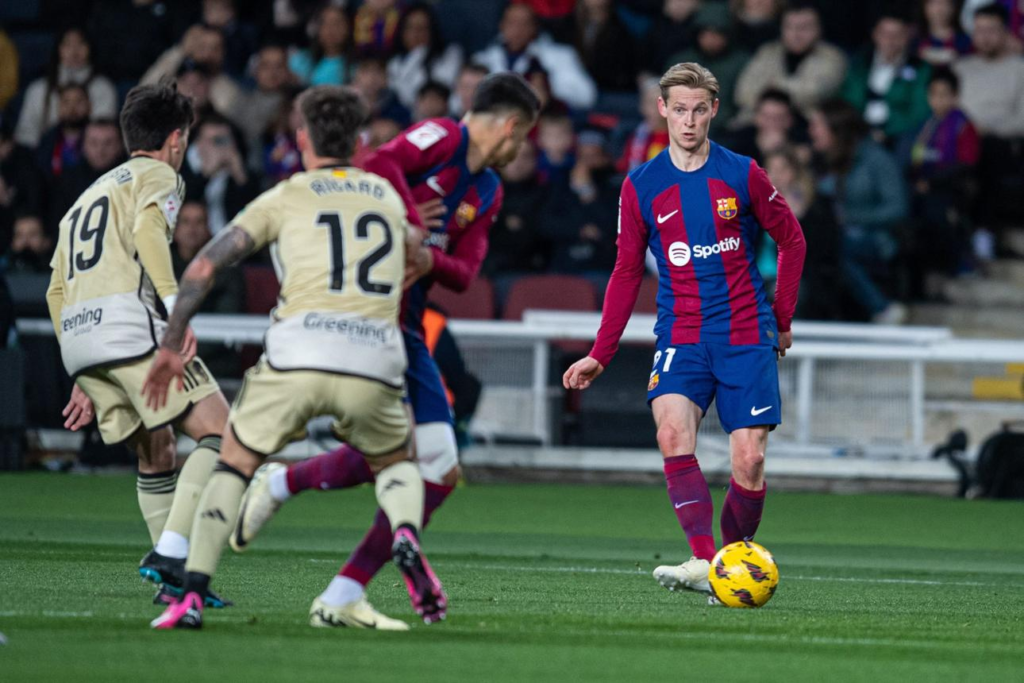
Why does Kevin De Bruyne always seem to know where to pass?
Why did Xavi almost never lose possession?
Why could Iniesta escape pressure so effortlessly?
The answer is surprisingly simple.
They prepare before they receive.
Most amateur players begin thinking after controlling the ball.
Elite footballers start thinking several seconds earlier.
By the time possession arrives, the decision has already been made.
That tiny difference changes everything.
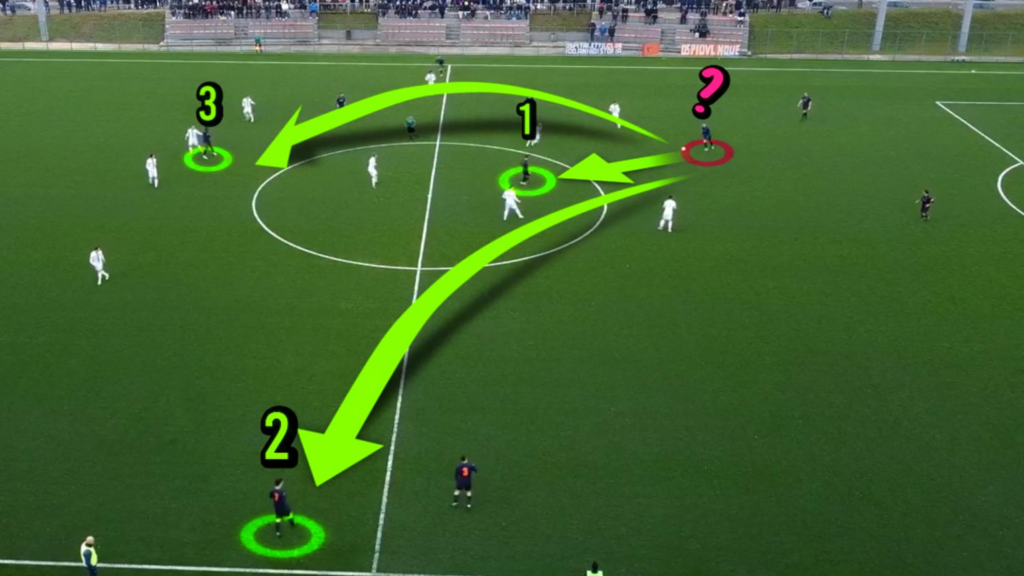
Football Happens Before The First Touch
Many young footballers spend thousands of hours practising:
- Passing
- Shooting
- Dribbling
- First Touch
- Ball Mastery
These are all important.
But professional academies increasingly spend just as much time improving:
- Vision
- Awareness
- Scanning
- Communication
- Decision Making
- Tactical Understanding
Because football begins before the first touch.
The Brain Controls The Feet
One famous coaching principle is:
“Your brain controls your feet—not the other way around.”
Even perfect technique becomes ineffective if used at the wrong moment.
Football Intelligence helps players choose:
- when to dribble
- when to pass
- when to slow the game
- when to accelerate
- when to press
- when to wait
- when to move
- when to stay
Great football is rarely about doing spectacular things.
It is about making the correct decision hundreds of times every match.
Continue Learning With Finter
While reading this guide, explore more football development articles on Finter.
Discover more football knowledge
👉 https://finter.dk/front-page/
Learn why playing multiple sports develops better footballers
Read more football stories and tactical inspiration
Recommended Videos
Football IQ Explained
https://www.youtube.com/results?search_query=football+iq
Improve Your Football Scanning
https://www.youtube.com/results?search_query=football+scanning
Decision Making In Football
https://www.youtube.com/results?search_query=football+decision+making
Positional Play Explained
https://www.youtube.com/results?search_query=positional+play+football
Pep Guardiola Tactical Analysis
https://www.youtube.com/results?search_query=pep+guardiola+tactics
⚽ The Complete Guide to Football Intelligence
PART 1A – The Science Behind Elite Football IQ
Why Some Players Always Seem One Step Ahead
The greatest footballers rarely react to the game.
Instead, they predict it.
This is one of the biggest differences between elite players and everyone else.
The average footballer reacts after something happens.
The best footballers recognise patterns before they happen.
That ability creates what fans often call Football IQ.
Your Brain Is Your Most Important Football Muscle
Modern football is no longer only about running faster or kicking harder.
Your brain constantly performs thousands of calculations during every match.
It processes:
- Opponent movement
- Teammate positioning
- Available space
- Passing angles
- Defensive pressure
- Body orientation
- Game tempo
- Risk versus reward
The faster your brain processes this information, the more time you appear to have on the ball.
The World’s Best Players Scan Constantly
One habit separates elite players from almost everyone else.
They scan.
Scanning means looking around before receiving possession.
It sounds simple.
In reality, it changes everything.
Every glance provides valuable information.
Professional footballers often scan several times before the ball even reaches them.
This allows them to play faster because they already know what to do.
Instead of reacting, they simply execute a decision that has already been made.
🔗 Continue Learning On Finter
Welcome to Finter – Your Home for Football Development
Explore hundreds of football guides
Why Scanning Changes Everything
Imagine receiving the ball without checking your surroundings.
You have no idea:
- Where defenders are.
- Which teammate is free.
- Whether you should turn.
- Whether pressure is coming.
- Whether a forward pass is available.
Now imagine receiving the ball after scanning three or four times.
You already know every answer.
Nothing feels rushed.
That is why scanning is one of the biggest secrets behind football intelligence.
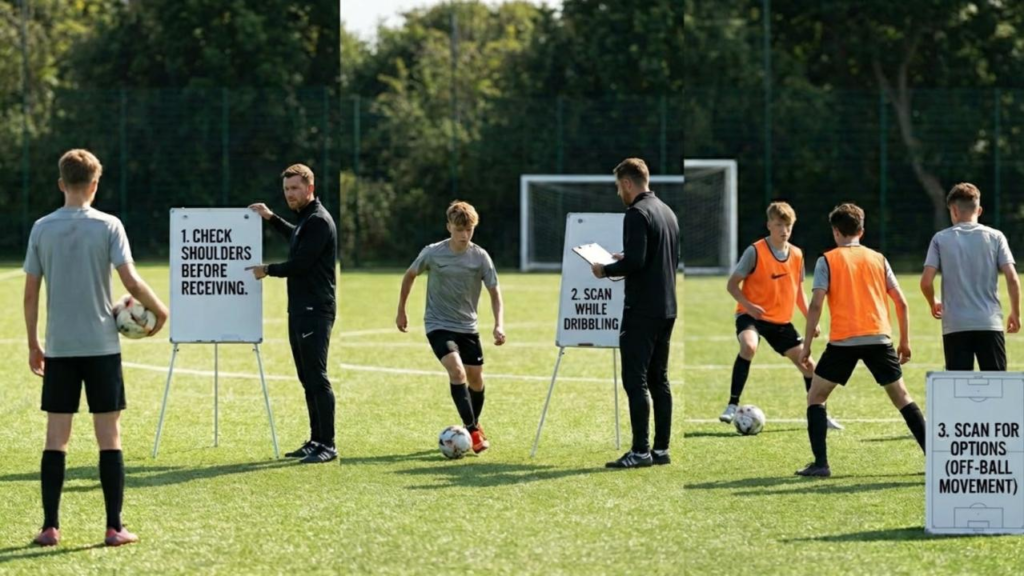
Elite Academies Teach Players to Scan From an Early Age
Across Europe, the biggest football academies encourage players to make scanning a habit.
Young footballers are constantly reminded to:
✔ Check both shoulders.
✔ Receive side-on.
✔ Open their body.
✔ See as much of the pitch as possible.
✔ Think before the pass arrives.
These habits eventually become automatic.
The best players no longer think about scanning.
They simply do it.
Football Intelligence Is Built Through Thousands of Small Decisions
There is no magic exercise that suddenly creates Football IQ.
Instead, intelligent footballers improve through thousands of repetitions.
Every training session develops:
- Better positioning
- Better timing
- Better communication
- Better awareness
- Better anticipation
- Better decision making
Over months and years these tiny improvements become enormous advantages.
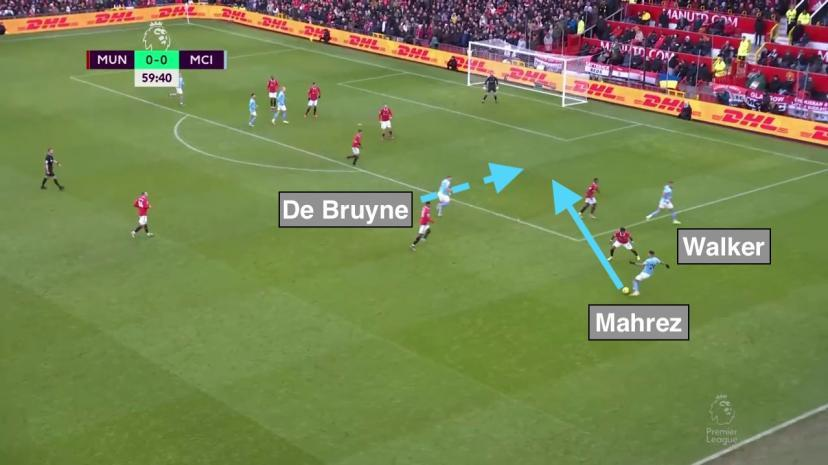
Professional Coaches Train Decision Making—Not Just Technique
Many youth teams spend nearly every session practising technical skills.
Professional academies take a different approach.
Technique is always trained inside realistic game situations.
Players must:
- Think quickly.
- Solve problems.
- Make decisions.
- Recognise patterns.
- Adapt under pressure.
Because football is not about repeating movements.
Football is about solving problems.
Read More On Finter
Why Playing Multiple Sports Creates Better Footballers
This guide explains why many of the world’s greatest footballers played several sports during childhood and how it improved their coordination, creativity and decision making.
England at the FIFA World Cup 2026
Explore tactical analysis, player development and modern football trends from one of the world’s biggest football nations.
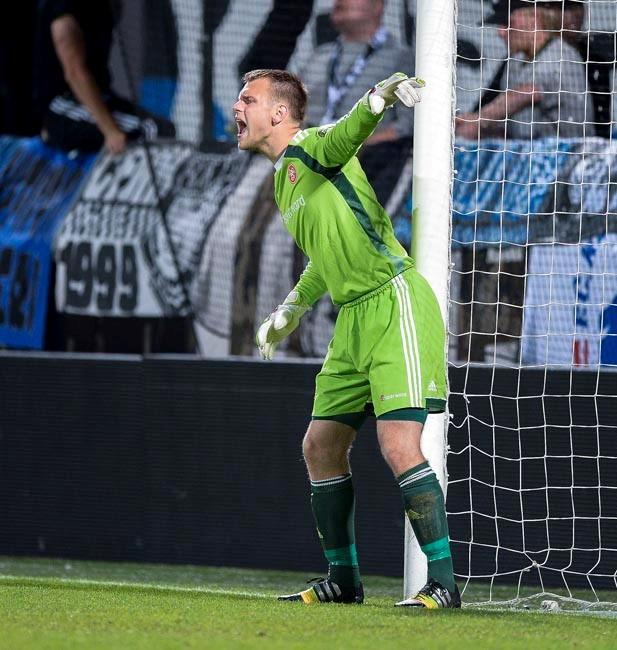
Great Players Constantly Search for Information
Elite footballers never stop collecting information.
Even without touching the ball they observe:
- The goalkeeper.
- Defensive lines.
- Midfield movement.
- Available space.
- Pressing triggers.
- Opponent body shape.
- Teammate movement.
Every second becomes useful.
This continuous information gathering creates calmness under pressure.
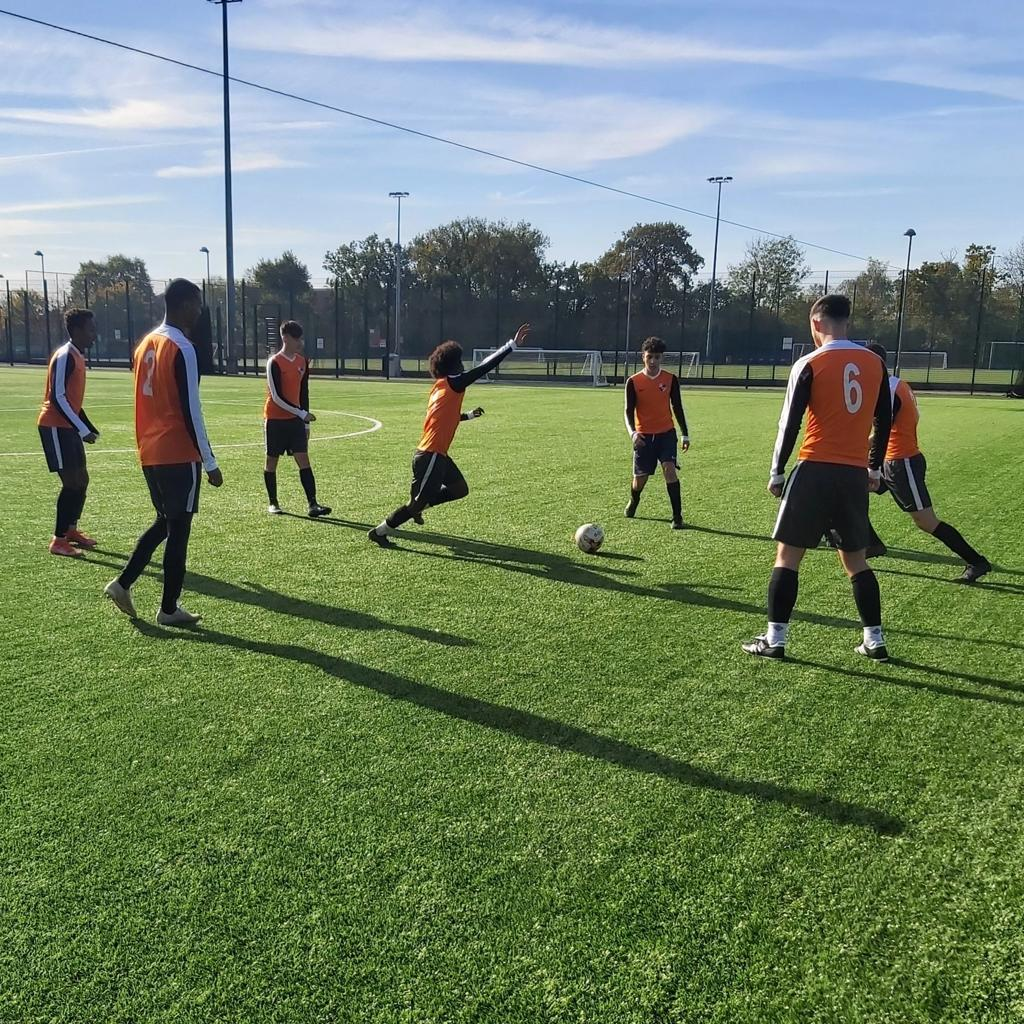
Watch And Learn
Football Scanning
https://www.youtube.com/results?search_query=football+scanning
Football Vision
https://www.youtube.com/results?search_query=football+vision
Decision Making
https://www.youtube.com/results?search_query=football+decision+making
Positional Play
https://www.youtube.com/results?search_query=positional+play+football
Pep Guardiola Tactical Analysis
https://www.youtube.com/results?search_query=pep+guardiola+tactics
What the World’s Smartest Footballers Do Differently
Football Intelligence Is Easy to Recognise
You don’t need advanced statistics to spot a highly intelligent footballer.
Watch what happens before they receive the ball.
That is where elite players separate themselves from everyone else.
They are constantly:
- Scanning
- Communicating
- Adjusting their position
- Creating passing angles
- Reading opponents
- Planning their next action
By the time the ball reaches them, they already know exactly what they want to do.
Football intelligence is not about reacting.
It is about preparing.
Lionel Messi – Always Two Steps Ahead
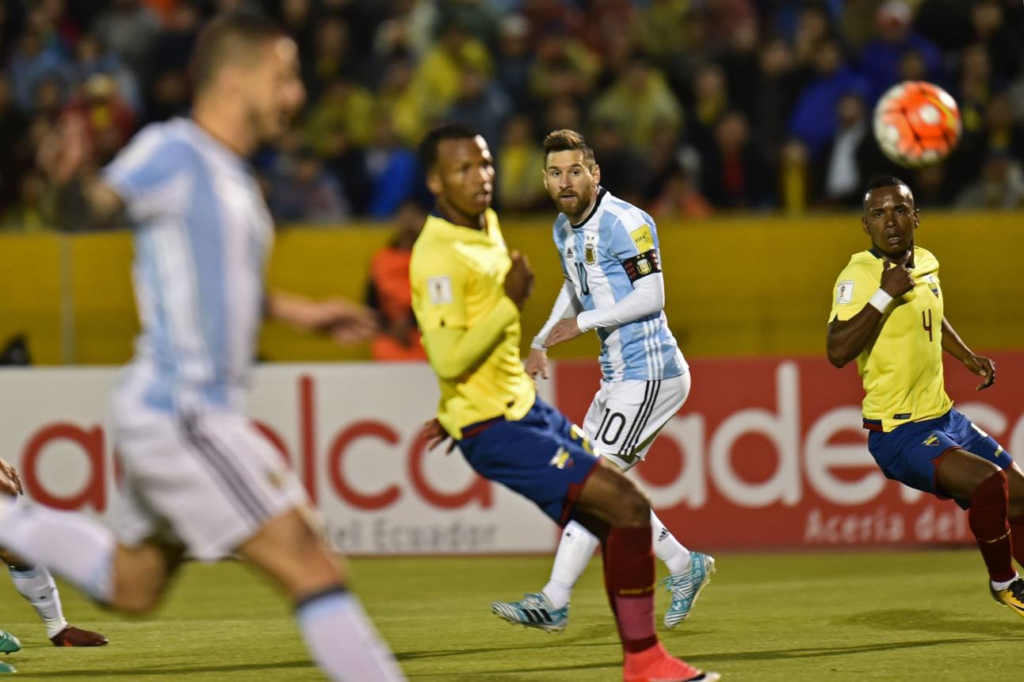
Many people focus on Lionel Messi’s dribbling.
What often goes unnoticed is his extraordinary ability to understand space.
Messi constantly scans defenders, teammates and empty areas before receiving possession.
He rarely dribbles simply because he can.
Instead, every movement has a purpose.
Sometimes he dribbles.
Sometimes he passes.
Sometimes he simply waits.
The decision is always based on information gathered before touching the ball.
This is one reason why he has remained one of football’s greatest players for almost two decades.
⚽ Lionel Messi: Historien om verdens bedste fodboldspiller – rekorder, VM-triumf, Barcelona, Argentina og de vildeste historier
DEN VILDESTE FODBOLDHISTORIE: AGÜERO, MARADONA OG MESSI – FAMILIE, VENSKAB OG VERDENSSTJERNER
1️⃣ Hvis Lionel Messi var skiftet til Arsenal som 16-årig del 3 hvad nu hvis
Xavi – The Master of Simplicity
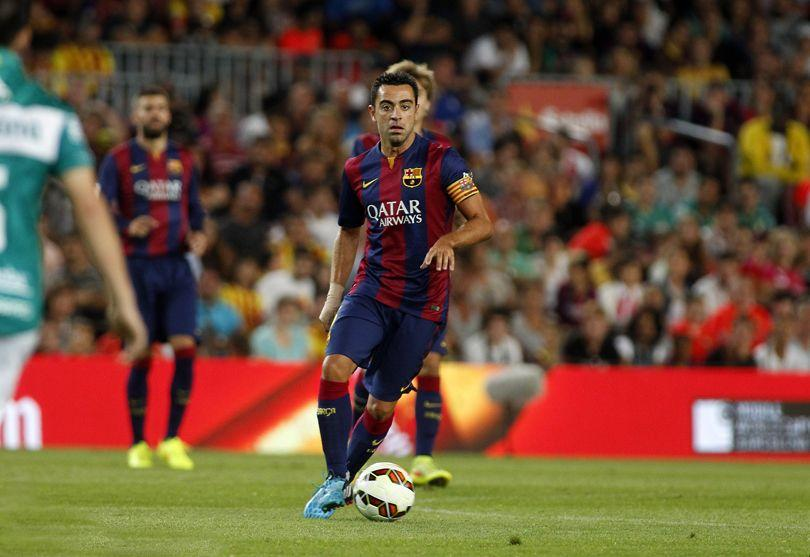
Former teammates often joked that Xavi seemed to know where everyone was without looking.
The truth was different.
He looked all the time.
Every few seconds.
His scanning habits became almost automatic.
Simple five-metre passes repeatedly broke defensive structures because Xavi always chose the right option.
His genius wasn’t spectacular passing.
It was making hundreds of correct decisions every single match.
⚽ Xavi Hernández – Den Ultimative Guide til Barcelonas Geniale Midtbanedirigent
Andrés Iniesta – Football Intelligence Under Pressure
Very few players remained as calm as Andrés Iniesta.
Even surrounded by opponents, he rarely panicked.
Why?
Because pressure never surprised him.
He had already seen it coming.
Scanning gave him extra time.
Body positioning gave him passing options.
Calmness came from preparation.
That combination made him one of football’s greatest midfielders.
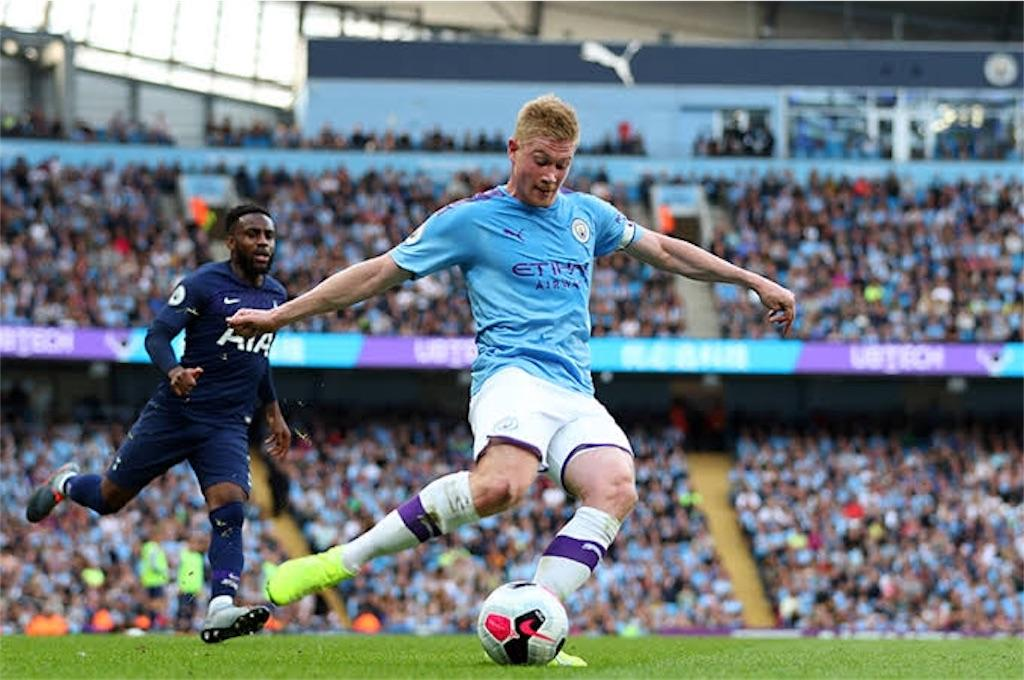
Kevin De Bruyne – Seeing Passes Before Anyone Else
Kevin De Bruyne is famous for creating chances that few players even imagine.
His greatest strength isn’t passing accuracy.
It is recognising opportunities earlier than everyone else.
Before receiving possession he constantly checks:
- Defensive shape
- Forward runs
- Passing lanes
- Space behind defenders
This early information allows him to deliver world-class passes almost effortlessly.
⚽ Kevin De Bruyne – Den Ultimative Guide til Verdens Bedste Playmaker
Luka Modrić – Playing At His Own Speed
Many players try to play quickly.
Modrić plays intelligently.
Sometimes the smartest decision is slowing the game.
Other times it is accelerating instantly.
His understanding of rhythm constantly disrupts opponents.
Great football intelligence is not always about speed.
Sometimes it is about controlling speed.
Pep Guardiola Changed Modern Football
Pep Guardiola transformed football by changing how players think.
Instead of memorising movements, his teams learn principles.
Players constantly ask:
- Where is space?
- Where is the free player?
- How can we create superiority?
- When should we press?
- When should we keep possession?
Every player becomes a decision maker.
That philosophy has influenced academies across the world.
Football Intelligence Can Be Learned
Many young players believe they simply are—or are not—intelligent footballers.
Fortunately, that isn’t true.
Football intelligence improves through deliberate practice.
Every session can develop:
✔ Better awareness.
✔ Faster scanning.
✔ Smarter positioning.
✔ Improved anticipation.
✔ Better communication.
✔ Faster decision making.
Like passing or shooting, football intelligence grows through repetition.
Related Reading On Finter
Why Playing Multiple Sports Develops Better Footballers
Discover why many elite footballers developed coordination, creativity and game intelligence by playing different sports during childhood.
England at the FIFA World Cup 2026
👉 https://finter.dk/%f0%9f%8f%86-england-at-the-2026-fifa-world-cup-is-football-finally-coming-home/
Read our tactical analysis of one of football’s biggest nations and explore how modern football continues to evolve.
Recommended Videos
Lionel Messi Vision & Football IQ
https://www.youtube.com/results?search_query=lionel+messi+vision
Kevin De Bruyne Passing Analysis
https://www.youtube.com/results?search_query=kevin+de+bruyne+passing+analysis
Xavi Tactical Analysis
https://www.youtube.com/results?search_query=xavi+tactical+analysis
Andrés Iniesta Analysis
https://www.youtube.com/results?search_query=andres+iniesta+analysis
Luka Modrić Analysis
https://www.youtube.com/results?search_query=luka+modric+analysis
Pep Guardiola Positional Play
https://www.youtube.com/results?search_query=pep+guardiola+positional+play
How Europe’s Biggest Football Academies Develop Intelligent Players
Talent Is Not Enough
Many parents believe professional football academies mainly look for technical ability.
That is no longer true.
Modern academies search for players who can solve football problems.
Almost every talented player can pass, dribble and shoot.
Very few can consistently make outstanding decisions.
That is why Football Intelligence has become one of the biggest scouting criteria in world football.
The Modern Footballer Must Think Faster
Football has become dramatically quicker over the last twenty years.
Teams press higher.
Defenders close space faster.
Transitions happen in seconds.
Players now have less time than ever before.
The footballers who survive are not always the fastest runners.
They are the fastest thinkers.
What Scouts Really Watch
When academy scouts observe young players, they rarely focus only on goals or skills.
Instead they ask questions such as:
- Does the player scan before receiving?
- Can they play under pressure?
- Do they understand space?
- Are they always available for a pass?
- Do they move after passing?
- Can they recognise danger early?
- Do they communicate?
- Do they make teammates better?
Football Intelligence is often invisible to spectators.
But scouts notice it immediately.
Read More On Finter
Welcome to Finter – Your Home for Football Development
👉 https://finter.dk/welcome-to-finter-your-home-for-football-development/
Start exploring hundreds of football articles covering player development, psychology, tactics and coaching.
Explore Our Complete Football Library
👉 https://finter.dk/front-page/
Find detailed guides for players, coaches and parents looking to improve every aspect of football.
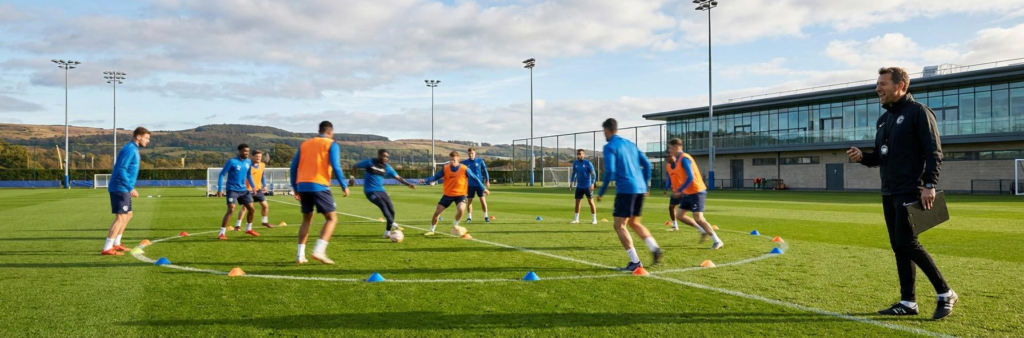
Small-Sided Games Build Smarter Players
One of the biggest differences between elite academies and traditional training is the use of small-sided games.
Instead of endless running drills, players constantly solve football situations.
In small-sided games they must:
- Scan continuously.
- React quickly.
- Find space.
- Support teammates.
- Create passing angles.
- Defend intelligently.
- Make fast decisions.
Every touch becomes meaningful.
Every action has a purpose.
This is why many of the world’s top academies spend large parts of every training session using game-based exercises.
Every Exercise Should Include Decisions
Elite coaches rarely organise drills where players simply repeat identical movements.
Instead they create situations where players must think.
For example:
Instead of passing around cones…
Players must choose between multiple passing options.
Instead of dribbling in a straight line…
Players react to defenders.
Instead of practising shooting alone…
Players decide whether to pass, dribble or finish.
Football is unpredictable.
Training should be too.
Mistakes Are Essential
Many young players become afraid of making mistakes.
Professional academies see mistakes differently.
Mistakes provide information.
Every wrong decision teaches players something.
The objective is not to eliminate mistakes.
It is to make better decisions next time.
Great coaches encourage intelligent risk taking rather than fear.
The Best Training Sessions Look Like Football
The world’s biggest academies always ask one important question:
Does this exercise look like a real football match?
If the answer is no…
The exercise often needs improving.
Training should contain:
✔ Pressure.
✔ Movement.
✔ Communication.
✔ Decisions.
✔ Scanning.
✔ Competition.
✔ Realistic game situations.
Everything players experience in training should prepare them for real matches.
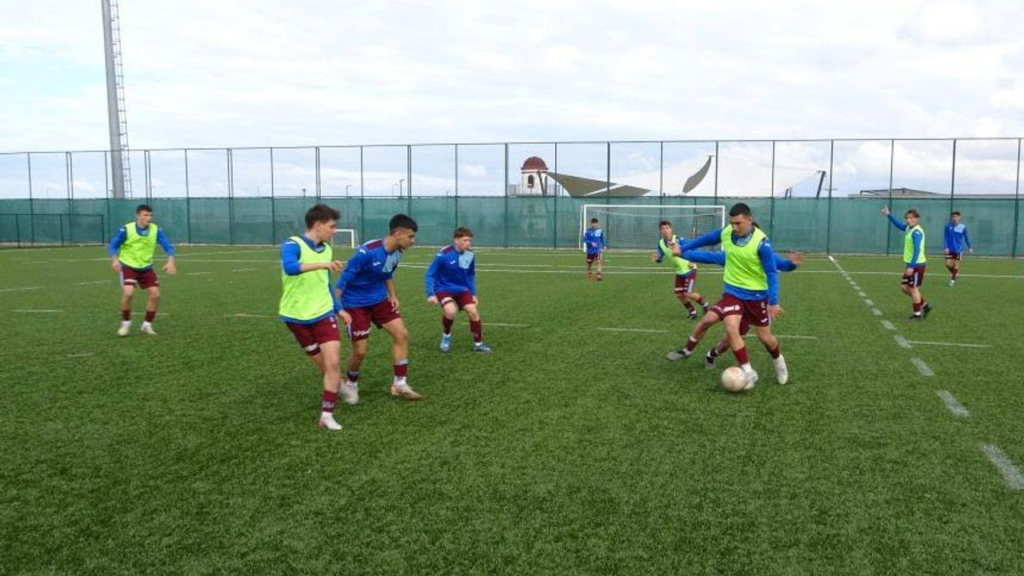
Practical Exercise 1 – The Scanning Square
Create a 15 x 15 metre square.
Four players stay on the outside.
Two players remain inside.
Before every reception the inside players must:
- Scan both shoulders.
- Receive side-on.
- Play with two touches maximum.
- Move immediately after passing.
This simple exercise develops:
- Awareness.
- Scanning.
- Communication.
- First touch.
- Body orientation.
Practical Exercise 2 – Colour Decision Game
Players receive the ball while the coach calls different colours.
Each colour represents a different action.
For example:
🔵 Blue = Turn.
🔴 Red = Pass first time.
🟢 Green = Dribble.
🟡 Yellow = Switch play.
Players constantly process information before acting.
This dramatically improves reaction speed and decision making.
Practical Exercise 3 – Four Goal Game
Use four small goals instead of two.
Players must constantly identify the best attacking option.
There is no single correct answer.
Every attack becomes a decision-making challenge.
This develops creativity, awareness and tactical intelligence.
Recommended Videos
Academy Training Sessions
https://www.youtube.com/results?search_query=football+academy+training
Small-Sided Games
https://www.youtube.com/results?search_query=small+sided+games+football
Elite Football Decision Making
https://www.youtube.com/results?search_query=football+decision+making+training
Positional Play Drills
https://www.youtube.com/results?search_query=positional+play+drills
Rondo Training
https://www.youtube.com/results?search_query=football+rondo+training
The Daily Habits That Build Elite Football Intelligence
Great Players Train Their Brain Every Day
The world’s best footballers don’t only improve during team training.
They build Football Intelligence every single day.
Some habits take only a few minutes.
Others become part of their everyday lifestyle.
Over months and years these small improvements create enormous advantages.
Success rarely comes from one magical training session.
It comes from hundreds of intelligent habits repeated consistently.
Habit 1 – Scan Before Every Touch
This is probably the single most important habit in football.
Every time you expect to receive possession, ask yourself:
- Where is the nearest defender?
- Where is my next pass?
- Can I turn?
- Is someone pressing from behind?
- Can I play forward immediately?
Elite players rarely receive the ball without already knowing the answer.
The more you scan, the calmer football becomes.
📚 Continue Learning on Finter
Welcome to Finter – Your Home for Football Development
👉 https://finter.dk/welcome-to-finter-your-home-for-football-development/
Discover hundreds of football articles designed to improve every aspect of your game.
Explore All Football Guides
👉 https://finter.dk/front-page/
Find in-depth articles covering football intelligence, tactics, psychology, technical skills and elite player development.
Habit 2 – Open Your Body
Watch almost every elite midfielder.
Very few receive the ball facing their own goal.
Instead they receive:
✔ Side-on.
✔ Balanced.
✔ Ready to play forward.
✔ Able to see both sides of the pitch.
Body orientation determines your next decision.
A good first touch starts before the ball arrives.
Habit 3 – Watch Football Like A Coach
Many young players watch football only to enjoy the match.
Professional players watch differently.
Instead of following the ball they study:
- Movement.
- Positioning.
- Defensive shape.
- Pressing.
- Passing lanes.
- Communication.
- Timing.
Every match becomes a learning opportunity.
Ask yourself:
“Why did that player move there?”
“Why didn’t he pass?”
“How did they create space?”
Watching football intelligently improves your own intelligence.
Habit 4 – Play In Different Positions
Many academy coaches encourage young players to experience different roles.
Why?
Because every position teaches something different.
A defender learns anticipation.
A midfielder learns scanning.
A winger learns timing.
A striker learns movement.
A goalkeeper develops communication.
The more perspectives you understand, the smarter you become.
Habit 5 – Ask Questions
Curious players improve faster.
After every match ask yourself:
- What decisions worked well?
- Which situations surprised me?
- Could I have scanned earlier?
- Was my body shape correct?
- Did I communicate enough?
- Could I have played forward sooner?
Reflection accelerates improvement.
Habit 6 – Train Under Pressure
Football is rarely comfortable.
The best training sessions include:
- Limited time.
- Limited space.
- Multiple opponents.
- Constant decisions.
If training feels easy…
Matches probably won’t.
Elite academies deliberately create difficult situations because difficult training produces intelligent players.
Habit 7 – Improve Your Communication
Great players constantly communicate.
Not only with words.
Also with:
- Eye contact.
- Hand signals.
- Body language.
- Movement.
Communication helps teammates make better decisions.
Football Intelligence spreads throughout the team.
Habit 8 – Stay Calm
Pressure creates panic.
Unless you prepare.
Scanning.
Body orientation.
Awareness.
Decision making.
Communication.
These habits reduce stress because nothing surprises you anymore.
Calm players usually appear confident.
Confidence often comes from preparation—not personality.
Practical Home Exercise
For the next seven days:
Before every reception during training:
✔ Scan twice.
✔ Receive side-on.
✔ Play forward whenever possible.
✔ Move immediately after passing.
It sounds simple.
But repeating these habits hundreds of times changes your game.
Recommended Videos
Improve Football Vision
https://www.youtube.com/results?search_query=football+vision+training
How Midfielders Scan
https://www.youtube.com/results?search_query=midfielder+scanning
Body Orientation In Football
https://www.youtube.com/results?search_query=body+orientation+football
Football Awareness Training
https://www.youtube.com/results?search_query=football+awareness+training
Decision Making Drills
https://www.youtube.com/results?search_query=decision+making+football+drills
The 10 Biggest Mistakes That Prevent Players From Developing Elite Football IQ
Why Do So Many Talented Players Stop Improving?
Every year, thousands of talented young footballers enter professional academies.
Only a tiny percentage eventually become professional players.
The reason is rarely a lack of talent.
More often, development simply stops.
Many players continue practising for years but keep making the same mistakes over and over again.
Football Intelligence is about recognising those mistakes—and correcting them before they become habits.
Mistake 1 – Watching Only the Ball
One of the biggest mistakes in football is focusing only on the ball.
Young players often stare at possession instead of reading the entire game.
Elite footballers constantly observe:
- Opponents
- Teammates
- Empty space
- Defensive lines
- Passing angles
- Pressing triggers
The ball tells only part of the story.
The game is happening everywhere.
Mistake 2 – Scanning Too Late
Many players finally look around…
…after they receive the ball.
By then, it is already too late.
The world’s smartest players gather information before the pass arrives.
That gives them valuable extra time.
A one-second advantage often changes the entire attack.
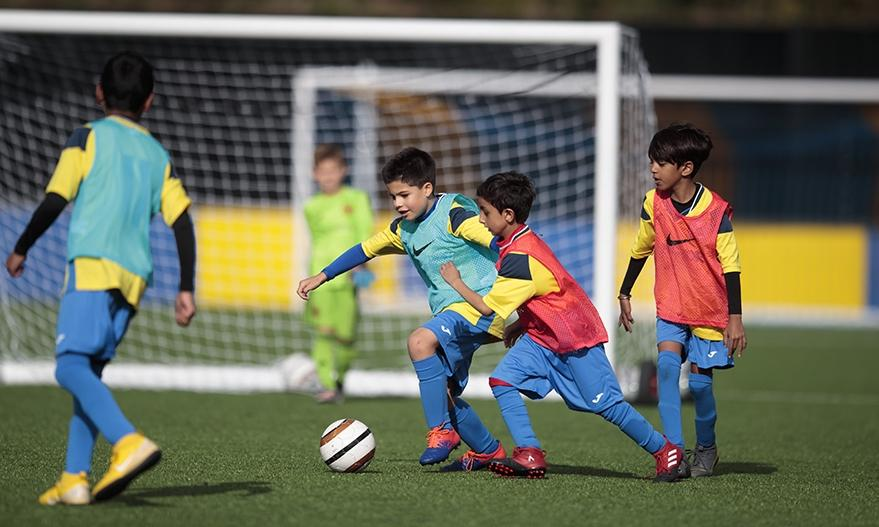
Mistake 3 – Standing Still After Passing
Passing is only the beginning.
Elite footballers immediately create a new passing option.
Movement after passing creates:
✔ Better angles.
✔ Numerical superiority.
✔ Space.
✔ Better support.
Young players often admire their own pass.
Professional players move instantly.
Mistake 4 – Playing With Your Back To The Game
Receiving square or facing your own goal limits your options.
Great players receive:
- Side-on.
- Balanced.
- Ready to play forward.
Good body orientation makes football easier.
Poor body orientation creates unnecessary pressure.
Mistake 5 – Dribbling Without Purpose
Dribbling is exciting.
But elite footballers dribble only when it creates an advantage.
Every dribble should have a purpose.
For example:
- Beat a defender.
- Create space.
- Break a defensive line.
- Open a passing lane.
Great decision makers know that the simplest option is often the best one.
Mistake 6 – Ignoring Teammates
Football is a team game.
Some players become so focused on individual actions that they miss better options.
Football Intelligence means making teammates better.
The smartest players constantly think:
“How can I help the entire team?”
Mistake 7 – Always Playing Safe
Playing safe isn’t always intelligent.
Sometimes the correct decision is the difficult one.
Professional footballers constantly balance:
Risk.
Reward.
Timing.
Space.
Football Intelligence is knowing when to take risks—not avoiding them altogether.
Mistake 8 – Not Communicating
Silence creates confusion.
Communication creates solutions.
Elite players constantly:
- Give information.
- Organise teammates.
- Warn about pressure.
- Encourage movement.
Good communication improves everyone’s decision making.
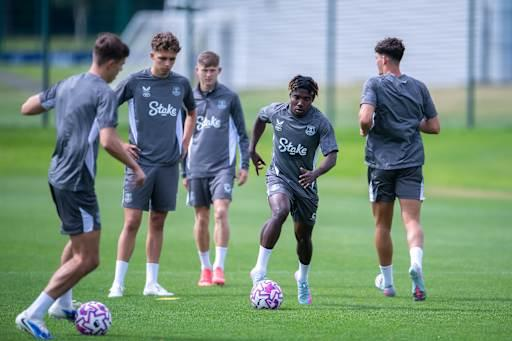
Mistake 9 – Never Reviewing Your Performances
Professional footballers analyse themselves.
They ask:
What worked?
What didn’t?
What could I improve?
Video analysis accelerates Football Intelligence because players begin recognising patterns they never noticed during the match.
Mistake 10 – Believing Talent Is Enough
Talent opens doors.
Habits determine how far you go.
The world’s greatest footballers continue improving throughout their careers.
They never stop learning.
They remain curious.
They seek feedback.
They study the game.
That mindset creates long-term success.
A Simple Weekly Challenge
For the next week, focus on only three habits:
✔ Scan before every reception.
✔ Move immediately after passing.
✔ Communicate constantly.
These three changes alone can dramatically improve your Football Intelligence.
Master them before adding new habits.
Recommended Videos
Common Football Mistakes
https://www.youtube.com/results?search_query=common+football+mistakes
Football IQ Explained
https://www.youtube.com/results?search_query=football+iq
Decision Making Training
https://www.youtube.com/results?search_query=football+decision+making+training
Tactical Awareness
https://www.youtube.com/results?search_query=football+tactical+awareness
Body Shape In Football
https://www.youtube.com/results?search_query=football+body+shape
The Complete Football Intelligence Training Programme (U6 to Professional Level)
Intelligence Must Be Trained Like Any Other Football Skill
Many players believe Football Intelligence develops automatically.
It doesn’t.
Just like passing, shooting or dribbling, game intelligence improves through structured and consistent practice.
The biggest academies in Europe don’t leave Football IQ to chance.
Every training session is carefully designed to improve:
- Scanning
- Decision Making
- Tactical Awareness
- Positioning
- Communication
- Anticipation
- Vision
- Composure
- Problem Solving
Every exercise has one simple objective:
Make better decisions faster.
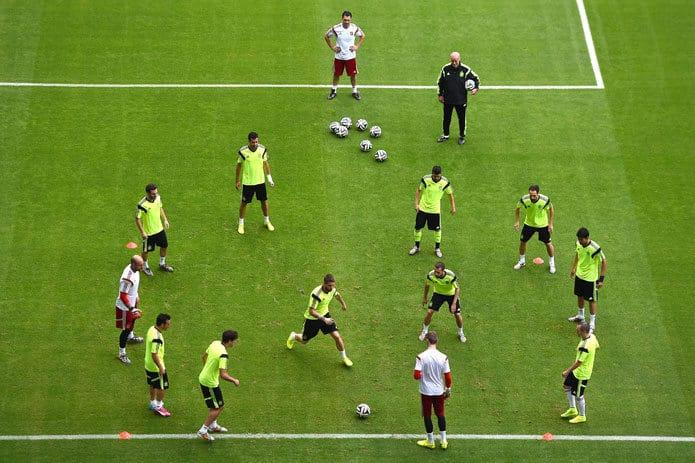
U6–U8: Learn Through Play
At this age, children should fall in love with football.
Avoid long tactical lectures.
Instead, create games that naturally develop intelligence.
Focus Areas
✅ Ball mastery
✅ Fun
✅ Scanning
✅ Simple decisions
✅ Creativity
✅ Confidence
Children should touch the ball hundreds of times every session.
The more decisions they make, the faster their football brain develops.
U9–U12: Build Football Awareness
This is one of the most important learning stages.
Players begin understanding:
- Space
- Teammates
- Opponents
- Passing options
- Body shape
- First touch
Training should include:
- Rondos
- Small-sided games
- Directional games
- 3v3
- 4v4
- 5v5
These formats create constant decisions.
U13–U16: Increase Decision Speed
Football becomes much quicker.
Players should now experience:
✔ Less time.
✔ Less space.
✔ More pressure.
✔ More tactical challenges.
Training should encourage players to:
- Scan constantly.
- Play forward.
- Support teammates.
- Switch play.
- Break defensive lines.
- Recognise pressing triggers.
Decision making becomes just as important as technique.
U17–Senior Football
At higher levels every mistake becomes more expensive.
Training should now include:
- Tactical video analysis.
- Position-specific coaching.
- Match scenarios.
- Pressing exercises.
- Transition games.
- High-speed decision making.
- Leadership training.
Football Intelligence now becomes the difference between good and elite players.
Weekly Football Intelligence Programme
Monday
Recovery
Video analysis
Scanning review
Tuesday
Technical training
Scanning exercises
Decision making games
Small-sided games
Wednesday
Position-specific training
Passing under pressure
Communication
Awareness drills
Thursday
Match scenarios
Transitions
Pressing
Problem solving
Friday
Tactical rehearsal
Set pieces
Game understanding
Confidence building
Saturday
Match Day
Focus on:
✔ Scanning.
✔ Communication.
✔ Body orientation.
✔ Calm decisions.
Sunday
Reflection
Watch your match.
Analyse your decisions.
Write down three things you did well.
Write down three things to improve next week.
Continuous learning creates continuous improvement.
Football Intelligence Exercises You Can Do Alone
You don’t always need teammates to become smarter.
Try these individual habits:
Watch One Professional Match Every Week
Instead of following the ball…
Watch only one player.
Study:
- Movement
- Scanning
- Communication
- Positioning
This teaches far more than simply watching highlights.

Analyse Your Own Matches
Record your games whenever possible.
Pause before every reception.
Ask yourself:
- Did I scan?
- Could I receive differently?
- Was there a better option?
Professional footballers constantly analyse themselves.
Improve Peripheral Vision
Stand facing forward.
Hold coloured cones, tennis balls or cards to each side.
Identify colours without turning your head.
Simple exercises like these improve visual awareness over time.
Reaction Training
Use reaction lights, numbered cones or coloured markers.
React instantly to visual signals.
Football is full of unexpected situations.
Train your brain to process information faster.
Recommended Videos
Elite Academy Training
https://www.youtube.com/results?search_query=elite+football+academy+training
Football Intelligence Drills
https://www.youtube.com/results?search_query=football+iq+training
Rondo Exercises
https://www.youtube.com/results?search_query=football+rondo
Scanning Training
https://www.youtube.com/results?search_query=football+scanning+training
Positional Play
https://www.youtube.com/results?search_query=positional+play+training
Tactical Awareness
https://www.youtube.com/results?search_query=football+tactical+awareness
⚽ The Complete Guide to Football Intelligence
PART 7 – The Ultimate Football Intelligence Checklist, Frequently Asked Questions & Final Thoughts
The Complete Football Intelligence Checklist
The world’s best footballers do not become intelligent overnight.
They develop hundreds of small habits over many years.
Use this checklist before every training session and every match.
Before Receiving The Ball
✅ Scan both shoulders.
✅ Identify pressure.
✅ Know your next pass.
✅ Open your body.
✅ Stay on your toes.
✅ Communicate.
While Receiving
✅ First touch away from pressure.
✅ Protect the ball.
✅ Stay balanced.
✅ Keep your head up.
✅ Play forward whenever possible.
After Passing
✅ Move immediately.
✅ Create a new passing angle.
✅ Continue scanning.
✅ Communicate.
✅ Prepare for the next action.
Elite football never stops.
Neither should your thinking.
Football Intelligence For Every Position
Goalkeepers
Modern goalkeepers are playmakers.
Elite goalkeepers constantly:
- Organise defenders.
- Scan the pitch.
- Read pressing triggers.
- Build attacks.
The best goalkeepers think like midfielders.
Central Defenders
Outstanding defenders rarely rely on last-ditch tackles.
Instead they:
✔ Anticipate danger.
✔ Read attackers.
✔ Position themselves early.
✔ Communicate constantly.
Good positioning eliminates many problems before they happen.
Full-Backs
Modern full-backs must constantly decide:
- Attack or defend?
- Overlap or stay?
- Press or delay?
Football Intelligence determines those choices.
Midfielders
Midfielders process more information than any other position.
Every few seconds they must:
- Scan.
- Turn.
- Pass.
- Support.
- Communicate.
- Change tempo.
This is why Football IQ is often most visible in midfield.
Wingers
Elite wingers constantly evaluate:
- Space behind defenders.
- 1v1 situations.
- Crossing opportunities.
- Inside runs.
- Defensive positioning.
The smartest winger doesn’t always dribble.
They choose the best option.
Strikers
Goals often come from intelligent movement rather than spectacular finishing.
Elite forwards constantly ask:
- Where is the defender looking?
- Where will the cross arrive?
- When should I start my run?
Timing beats speed.
How Coaches Can Develop Football Intelligence
Great coaches ask questions instead of giving all the answers.
For example:
“What options did you have?”
“What did you see?”
“Why did you choose that pass?”
“What could you do differently next time?”
Players who think for themselves develop much faster than players who simply follow instructions.
Advice For Parents
Parents play an enormous role in player development.
Instead of asking:
“Did you score?”
Try asking:
- What did you learn today?
- Which decision made you proud?
- What would you do differently next time?
- Did you enjoy playing?
These questions develop better football thinkers.
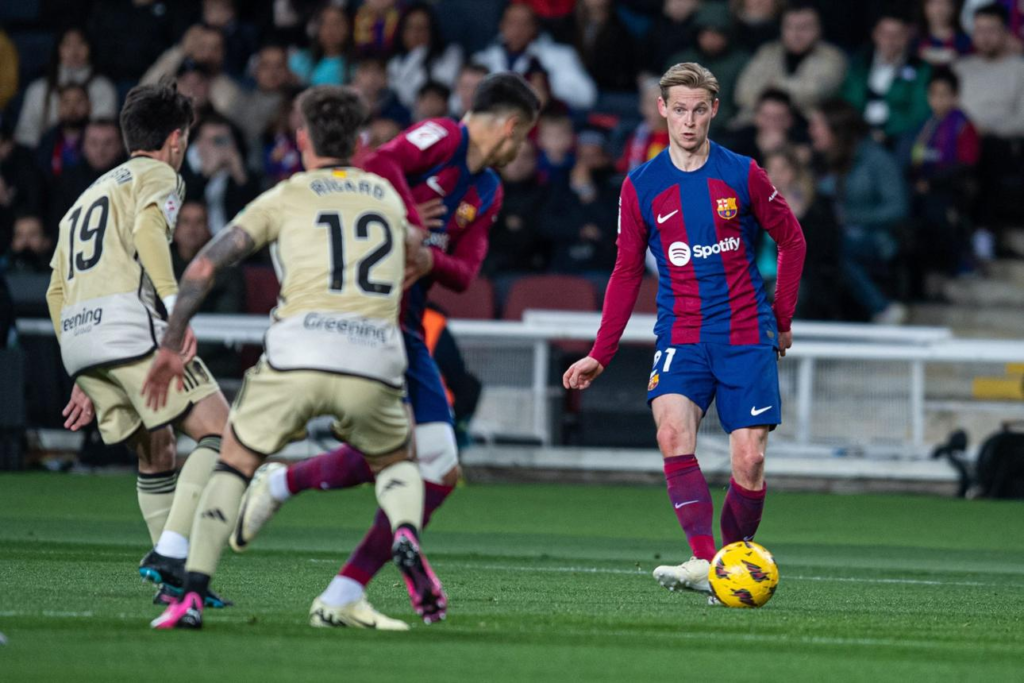
Football Intelligence Is A Lifelong Journey
One fascinating fact about football is that players continue improving their Football IQ throughout their careers.
Many midfielders reach their highest level in their late twenties or early thirties.
Experience matters.
The more football situations you experience…
The better your brain becomes at recognising patterns.
That is why intelligent players often enjoy longer careers.
Frequently Asked Questions
Can Football Intelligence Be Improved?
Absolutely.
Like any football skill, Football Intelligence improves through structured practice, deliberate repetition, video analysis and match experience.
Is Football IQ More Important Than Technique?
Neither works without the other.
Technique allows you to execute.
Football Intelligence helps you choose the correct action.
Elite footballers master both.
Which Position Requires The Highest Football IQ?
Every position requires intelligence.
However, central midfielders often process the greatest amount of information because they are constantly involved in both attack and defence.
How Often Should Players Train Football Intelligence?
Every training session.
Football Intelligence should be integrated into passing, possession, finishing, defending and small-sided games—not trained separately once a week.
At What Age Should Football Intelligence Training Begin?
As early as possible.
Young children naturally learn through games, exploration and problem solving.
The earlier good habits develop, the more automatic they become later.
Can Watching Professional Football Improve Football Intelligence?
Yes.
Watching football actively—not just as entertainment—helps players recognise movement, positioning, communication and tactical principles.
Watch players, not just the ball.
Final Thoughts
Football Intelligence is one of the few football skills that never stops improving.
You don’t need to become faster.
You don’t need to become stronger overnight.
You simply need to see the game earlier than everyone else.
Every scan.
Every movement.
Every decision.
Every conversation with a teammate.
Every match you analyse.
Every mistake you learn from.
All of these small improvements gradually build a footballer capable of competing at a much higher level.
The greatest footballers in history were not only gifted athletes.
They were extraordinary thinkers.
And the exciting part?
Football Intelligence can be trained by every player—regardless of age, position or current level.
Keep learning.
Keep scanning.
Keep asking questions.
Keep enjoying the beautiful game.
Because football is played with your feet…
But won with your brain.