
Part 1A – The Dream, the Reality and the Hidden Formula Behind Elite Player Development
Now, let’s discover why only a tiny percentage of academy players ever become professionals.
🇩🇰 Til vores danske læsere
Denne artikel er skrevet på engelsk for at hjælpe endnu flere fodboldspillere, trænere og forældre verden over. Finter udgiver både danske og engelske guides, så endnu flere kan få glæde af vores viden om talentudvikling, træning og fodbold.
🇬🇧 Welcome to Finter – Your Home for Football Development
Before you dive into this guide, we’d like to welcome you to Finter – your home for football development.
Finter is dedicated to helping football players, coaches, parents and clubs improve every aspect of the beautiful game. Whether you’re taking your first steps in football or chasing your dream of becoming a professional player, you’ll find practical advice, expert analysis and proven training methods to help you improve every day.
Our growing library features hundreds of in-depth football articles covering technical skills, football intelligence, scanning, tactics, finishing, dribbling, academy football, coaching and player development.
Whether you’re a player, coach or football parent, Finter is here to inspire, educate and help you reach the next level.
🌍 Explore hundreds of football guides, player analyses and coaching resources:
Now, let’s dive into today’s guide.
Every Football Dream Starts the Same Way
Every weekend, millions of children pull on their football boots with exactly the same dream.
One day they want to play in the Premier League.
One day they want to hear the Champions League anthem.
One day they hope to represent their country at the FIFA World Cup.
For many families, receiving an invitation to a professional football academy feels like the first major step towards making that dream a reality.
It is an unforgettable moment.
Parents celebrate.
Friends congratulate them.
Coaches feel proud.
The player believes the journey has truly begun.
In many ways, it has.
But statistically, it is only the beginning of an incredibly difficult road.’
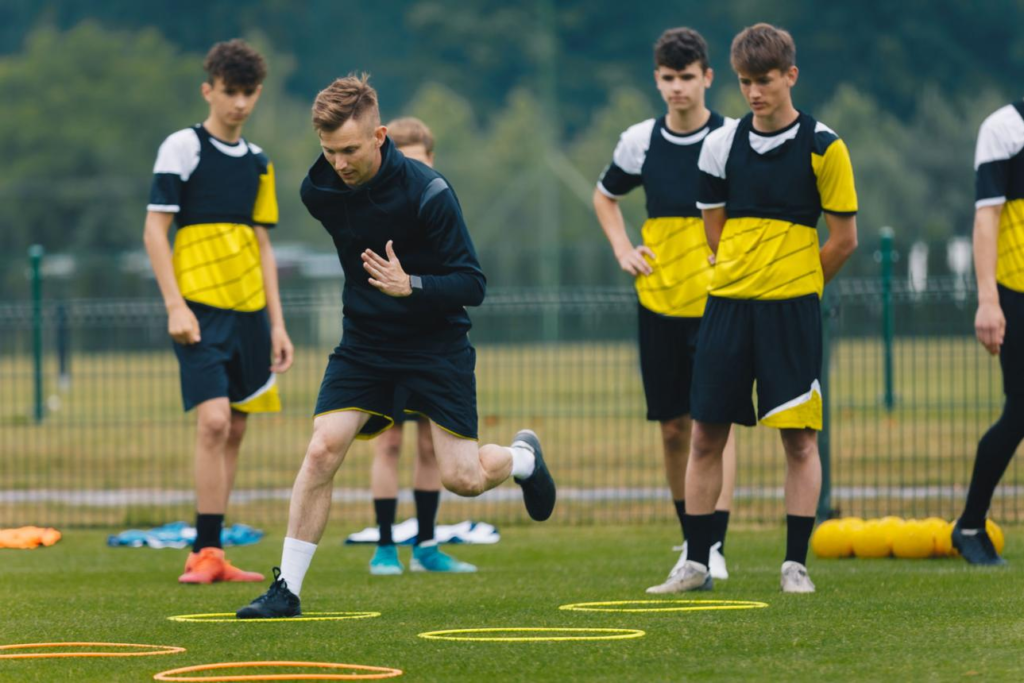
The Numbers Nobody Likes Talking About
The reality of elite football is far more competitive than most people imagine.
Across Europe alone, tens of thousands of young players enter professional academy systems every single year.
Only a small percentage will eventually receive a professional contract.
Even fewer will establish themselves at senior level.
An even smaller number will play regularly in Europe’s top leagues.
Finally, only a tiny fraction will ever become genuine international stars.
Every player who reaches the top has already survived thousands of competitors who possessed similar dreams and often similar levels of technical ability.
Elite football is one of the most competitive career paths in the world.
Why Talent Isn’t Enough
One of the oldest myths in football is that talent automatically leads to success.
Modern research—and the experience of the world’s greatest academies—shows something very different.
Talent may open the first door.
Development determines everything that happens afterwards.
The players who improve fastest are not always those who arrive with the greatest natural ability.
Instead, they are often the players who learn fastest, adapt quickest and embrace constant improvement.
This is one of the reasons why so many academy directors dislike calling children “talented.”
Potential changes.
Development changes.
Mindset changes.
Footballers change.
The Modern Game Has Changed Forever
Football today looks very different from football twenty years ago.
Matches are faster.
Pressing is more intense.
Transitions happen in seconds.
Players have less space.
Less time.
Less margin for error.
Because of this, technical ability alone is no longer enough.
Modern football rewards players who process information faster than everyone else.
The world’s greatest academies understand this better than anyone.
Rather than creating athletes who simply run faster, they develop footballers capable of solving complex problems under enormous pressure.
Football Is a Thinking Game
Ask academy directors what separates elite players from average players.
Very few will answer:
“Speed.”
Instead they talk about:
- Awareness.
- Decision-making.
- Positioning.
- Adaptability.
- Learning ability.
- Football intelligence.
These qualities cannot always be measured with stopwatches.
Yet they consistently appear among players who eventually reach the highest levels of the game.
This explains why many elite coaches describe football as a game of decisions rather than a game of techniques.
Technique still matters enormously.
But technique without intelligent decision-making rarely survives at the very highest level.
The Hidden Skill That Changes Everything
Watch the world’s greatest midfielders.
Before receiving possession, they constantly look around.
Left.
Right.
Behind.
Forward.
Again.
And again.
This habit is called scanning.
Scanning allows players to build a mental picture of the pitch before the ball even arrives.
Instead of reacting after receiving possession, elite players already know what they want to do.
That tiny advantage often makes them appear calmer than everyone else.
In reality, they simply collected the information earlier.’

Why Every Great Academy Uses Small-Sided Games
One of the biggest surprises for visitors inside elite academies is how often players train in small-sided games.
Instead of long lines and repetitive drills, players constantly compete in:
- 3v3
- 4v4
- 5v5
- Rondos
- Possession games
- Transition games
These formats dramatically increase:
- Ball touches
- Decision-making opportunities
- Scanning actions
- Passing repetitions
- 1v1 situations
- Creativity
Every minute becomes more valuable.
That is why almost every world-class academy relies heavily on these formats throughout every age group.
Elite Players Learn Differently
The best academies rarely shout constant instructions.
Instead, coaches ask questions.
“What did you see?”
“Why did you choose that pass?”
“What other options were available?”
Players are encouraged to think rather than simply obey.
This approach develops independent footballers capable of solving problems without relying on coaches from the sidelines.
As players grow older, this independence becomes one of their greatest strengths.
Recommended Videos
To see these principles in action, the following videos are excellent starting points:
Inside La Masia Documentary
https://www.youtube.com/results?search_query=inside+la+masia+documentary
Elite Small-Sided Games
https://www.youtube.com/results?search_query=elite+small+sided+games
Football Decision Making Training
https://www.youtube.com/results?search_query=football+decision+making+training
Scanning in Football
https://www.youtube.com/results?search_query=scanning+football+training
Part 1B – Research, Late Bloomers and Why Great Academies Never Stop Developing Players
Development Never Follows a Straight Line
One of the biggest mistakes in youth football is assuming that the best player at the age of 10 will still be the best player at 18.
History proves exactly the opposite.
Some children develop physically much earlier than others.
At twelve years old, a player may be taller, stronger and faster than everyone else.
Two or three years later, those advantages may disappear completely.
This is why experienced academy directors avoid making long-term judgments too early.
Instead of asking:
“Who is the best player today?”
they ask:
“Who has the greatest potential to become the best player in five or ten years?”
That question completely changes how they evaluate talent.
The World’s Best Players Were Not Always Youth Superstars
Football history is filled with stories of players who were overlooked.
Some were considered too small.
Others were released by professional clubs.
Some developed physically much later than teammates who dominated youth football.
Many of today’s biggest stars would never have survived if academies only selected the biggest and fastest children.
This is why modern academies invest enormous resources into long-term player development instead of focusing only on immediate results.
Potential is constantly changing.
Great academies understand that.
Football Intelligence Beats Physical Dominance
The modern game rewards intelligent players.
Speed matters.
Strength matters.
Technique matters.
But football intelligence often decides who reaches the very top.
Elite players consistently:
- scan before receiving
- recognise patterns
- create space
- manipulate defenders
- understand positioning
- adapt under pressure
- make excellent decisions
These qualities improve teammates around them.
That is why academy coaches spend thousands of hours creating situations where players must constantly think rather than simply execute instructions.
Mistakes Are Part of the Learning Process
Many grassroots environments unintentionally teach players to avoid mistakes.
Elite academies do the opposite.
Players are encouraged to try difficult passes.
Attempt creative dribbles.
Play through pressure.
Take responsibility.
Sometimes these decisions fail.
That is expected.
Learning only happens when players are challenged beyond their comfort zone.
Fear creates safe footballers.
Confidence creates creative footballers.
Why Winning Youth Matches Isn’t the Main Goal
Parents often judge academies by trophies.
Elite clubs judge themselves differently.
Their biggest success isn’t winning an Under-13 tournament.
It is producing first-team players.
That difference changes everything.
Academy coaches are willing to lose youth matches if players continue improving technically, tactically and mentally.
Development always comes before short-term success.
Every Great Academy Creates Better Learners
The world’s leading academies don’t simply develop football skills.
They develop learning skills.
Players are encouraged to ask questions.
Reflect after training.
Analyse performances.
Watch video clips.
Understand tactical concepts.
Accept constructive feedback.
Improve every single week.
The objective isn’t to create the best 14-year-old.
The objective is to create the best possible 24-year-old.
Modern Academies Train the Brain Every Day
Many supporters think football training begins when the whistle blows.
Inside elite academies it starts much earlier.
Players analyse matches.
Review video clips.
Discuss tactical situations.
Study positioning.
Evaluate decisions.
This process improves football intelligence long before players step onto the pitch.
Mental development has become just as important as physical development.
The Environment Shapes the Player
A talented footballer can struggle in the wrong environment.
An average player can improve dramatically in the right one.
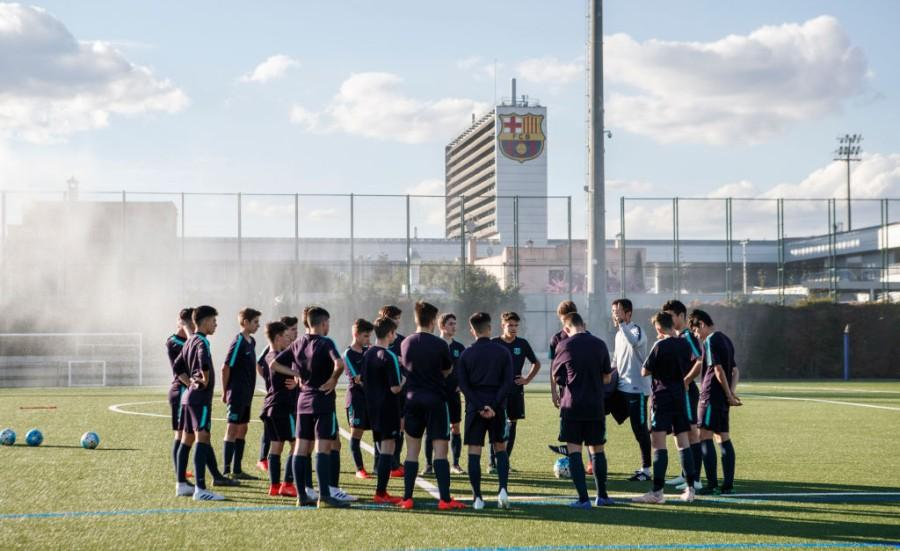
Elite academies carefully design environments where players feel challenged, supported and inspired.
Every detail matters:
- Coaching quality.
- Training intensity.
- Positive competition.
- Individual feedback.
- Team culture.
- High expectations.
Over time these small advantages become enormous.
Recommended Videos
To better understand modern academy development, these videos are highly recommended.
Inside Ajax Academy
https://www.youtube.com/results?search_query=inside+ajax+academy
Elite Academy Passing Sessions
https://www.youtube.com/results?search_query=elite+academy+passing+training
Football Cognitive Training
https://www.youtube.com/results?search_query=football+cognitive+training
Professional Academy Rondo Training
https://www.youtube.com/results?search_query=professional+academy+rondo
Part 2 – La Masia: The Academy That Changed Football Forever
If one football academy has influenced modern player development more than any other, it is undoubtedly La Masia.
Located just outside the Spotify Camp Nou, Barcelona’s famous academy has become far more than a training ground.
It has become a philosophy.
For decades, clubs from every continent have travelled to Barcelona hoping to discover the secret behind an academy that has consistently produced some of football’s greatest players.
While many clubs tried to copy La Masia, very few truly understood why it was so successful.
The answer has never been a single training drill.
It has always been the culture.

More Than a Football Academy
La Masia originally opened in 1979 inside an old Catalan farmhouse.
Young players didn’t simply train together.
They lived together.
Studied together.
Ate together.
Learned together.
Football became part of everyday life.
Players were taught respect, responsibility, humility and teamwork long before tactical systems or winning trophies.
Barcelona believed they were educating people first and footballers second.
That philosophy still influences the academy today.
Johan Cruyff Changed Everything
Everything changed when Johan Cruyff arrived at Barcelona.
Rather than building teams around physical strength, Cruyff believed the ball should always be the centre of every training session.
His famous philosophy was simple:
If your team has the ball, the opposition cannot score.
This single idea transformed football.
Training became focused on:
- Possession.
- Passing angles.
- Creating triangles.
- Intelligent movement.
- Scanning.
- Decision-making.
- Constant support for the player in possession.
Today, almost every elite academy in Europe uses principles that can be traced back to Cruyff’s influence.
Every Player Learns the Same Football Language
One remarkable feature of La Masia is consistency.
Whether players are eight years old or eighteen years old, they are taught the same football principles.
This creates a clear pathway from the youngest age groups to Barcelona’s first team.
Players don’t have to relearn football every season.
Instead, each year simply adds another layer of understanding.
The principles remain the same:
- Play with courage.
- Keep possession.
- Scan constantly.
- Move after every pass.
- Create passing options.
- Think before receiving.
- Attack together.
- Defend together.
Rondos – The World’s Most Famous Training Exercise
If there is one exercise that has become synonymous with Barcelona, it is the rondo.
To many spectators it looks simple.
Several players stand in a circle while one or two defenders attempt to win possession.
In reality, it develops almost every important football skill.
Players improve:
- First touch.
- Passing accuracy.
- Scanning.
- Awareness.
- Communication.
- Body positioning.
- Playing under pressure.
- Quick decision-making.
Many professional coaches describe rondos as one of the most efficient football exercises ever created.
RONDO – den lille øvelse med den store effekt
Technique Before Physical Power
Unlike many academies, La Masia has never prioritised size.
History shows this clearly.
Many of Barcelona’s greatest academy graduates were considered physically small during childhood.
Instead of worrying about height, coaches focused on:
- Ball mastery.
- Decision-making.
- Passing quality.
- Football intelligence.
- Creativity.
- Confidence under pressure.
The philosophy was simple.
A technically gifted player can always become stronger.
A physically dominant player without technical quality often struggles later.
Why Barcelona Players Always Seem to Have Time
One of the most common compliments given to Barcelona players is:
“They always seem to have so much time.”
In reality, they don’t.
They simply create time.
Through constant scanning.
Excellent positioning.
Outstanding first touch.
Quick passing.
Intelligent movement.
Before the ball even arrives, they already know their next action.
That ability has been developed through thousands of hours of academy training.
Creativity Is Never Punished
Many youth players stop trying difficult skills because they fear making mistakes.
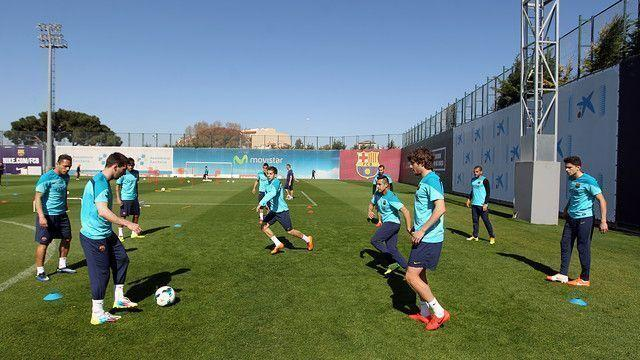
La Masia encourages creativity.
Players are expected to take responsibility.
Attempt solutions.
Express themselves.
If mistakes happen, coaches analyse them rather than criticise them.
This creates footballers who remain confident enough to solve problems under pressure.
Watch La Masia in Action
If you want to understand why Barcelona’s academy became the benchmark for world football, these videos are worth watching:
Inside La Masia Documentary
https://www.youtube.com/results?search_query=Inside+La+Masia+Documentary
Barcelona Academy Training Session
https://www.youtube.com/results?search_query=Barcelona+academy+training+session
Barcelona Rondo Training
https://www.youtube.com/results?search_query=Barcelona+rondo+training
FC Barcelona Youth Methodology
https://www.youtube.com/results?search_query=FC+Barcelona+youth+methodology
Part 3 – Ajax: The Academy That Taught the World How to Develop Intelligent Footballers
Long before many of today’s elite football academies became famous, one club had already built a reputation for producing technically gifted, intelligent footballers.
That club was Ajax Amsterdam.
Its academy, De Toekomst (“The Future”), has become one of the most respected player development centres in football history.
For decades, Ajax has consistently produced players capable of succeeding in the world’s biggest leagues—not because they were physically superior, but because they understood the game better than almost anyone else.
Ajax doesn’t simply teach football.
It teaches players how to think about football.
Total Football Changed Everything
Ajax’s philosophy cannot be understood without first understanding one revolutionary idea:
Total Football.
Developed during the late 1960s and early 1970s, Total Football completely transformed the sport.
Instead of players remaining fixed in one position, everyone became responsible for every phase of the game.
Defenders attacked.
Forwards defended.
Midfielders covered every area of the pitch.
Every player had to understand every position.
This demanded footballers with exceptional tactical intelligence rather than specialists limited to one role.
Today, almost every elite academy in Europe has adopted elements of this philosophy.
Every Player Learns Every Position
One of Ajax’s most famous development principles is surprisingly simple.
Young players regularly play in different positions.
A striker may spend weeks as a defender.
A full-back may become a winger.
A midfielder may play as a centre-back.
Why?
Because understanding another position improves your own.
Attackers begin to understand defenders.
Defenders learn what makes forwards dangerous.
Midfielders recognise passing lanes more quickly.
This creates footballers capable of reading the entire game rather than only their own role.
Technique Is Non-Negotiable
Ajax believes every player should feel comfortable with the ball regardless of position.
Goalkeepers build attacks.
Centre-backs play through pressure.
Full-backs join midfield.
Every player is expected to receive, pass, turn and solve difficult situations calmly.
Technical quality is never considered optional.
It is the foundation upon which every other skill is built.
The Three Questions Every Ajax Player Must Answer
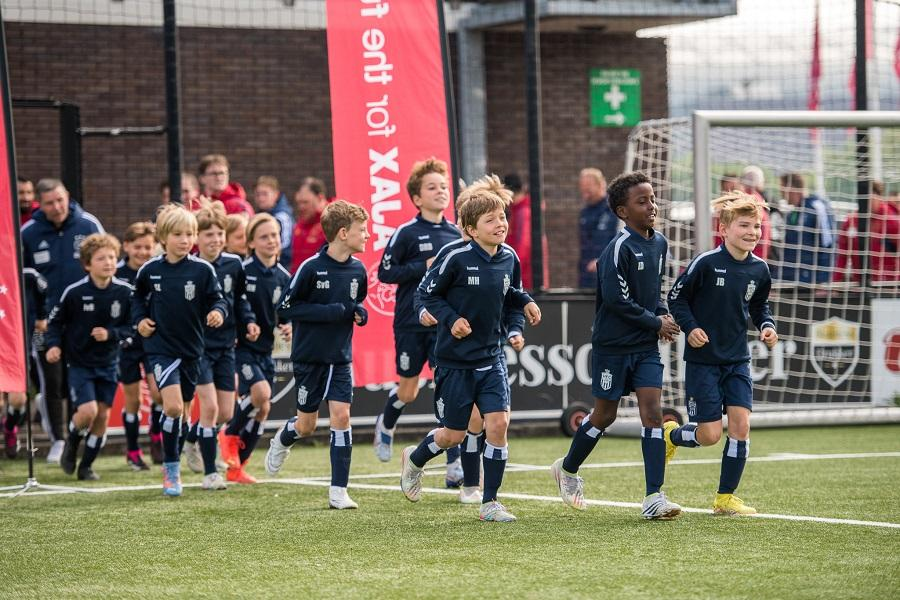
Before receiving the ball, academy coaches want every player to answer three questions:
Where is the space?
Where is the pressure?
Where is my next passing option?
These questions may sound simple.
Under match pressure they become incredibly difficult.
The more often players practise answering them, the faster they become.
Eventually the process becomes automatic.
Elite football is full of these invisible habits.
Why Ajax Produces So Many Midfielders
Ajax has developed an extraordinary number of outstanding midfield players.
The reason isn’t coincidence.
Midfield is considered the brain of every team.
Academy players spend countless hours improving:
- Body orientation.
- First touch.
- Passing angles.
- Scanning.
- Awareness.
- Receiving under pressure.
- Playing forward.
- Escaping pressure with one or two touches.
Because midfielders are constantly surrounded by opponents, they develop exceptional decision-making abilities.
Many of these skills later transfer naturally to other positions.
Mistakes Are Expected
Inside Ajax, mistakes are treated differently.
Players are not criticised for trying ambitious passes.
They are encouraged to attempt difficult solutions.
A failed creative pass often teaches more than ten safe sideways passes.
This approach creates brave footballers.
Players who never fear losing possession eventually become players capable of controlling the biggest matches.
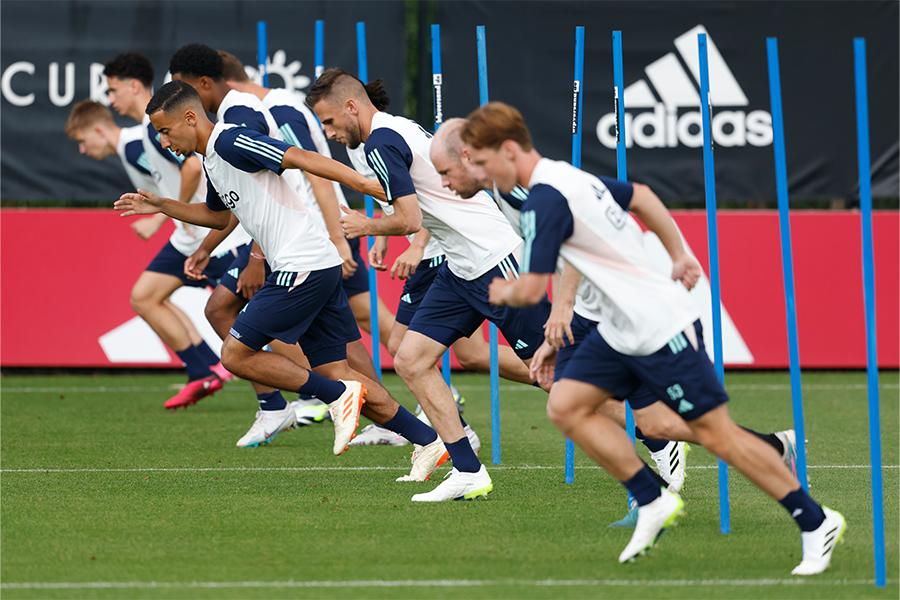
Individual Development Plans
Unlike many youth clubs, Ajax creates personalised development plans for every academy player.
Each player receives clear objectives.
One may need to improve scanning.
Another first touch.
Another communication.
Another weaker-foot passing.
Progress is measured continuously.
Rather than comparing players against teammates, coaches compare players against their own previous performances.
The objective is constant improvement.
Learning Never Stops
Even after training finishes, development continues.
Players regularly:
- Analyse match footage.
- Study positioning.
- Review decision-making.
- Discuss tactical situations with coaches.
- Set new performance goals.
Elite footballers spend as much time learning away from the pitch as they do on it.
This culture of continuous learning is one of Ajax’s greatest strengths.
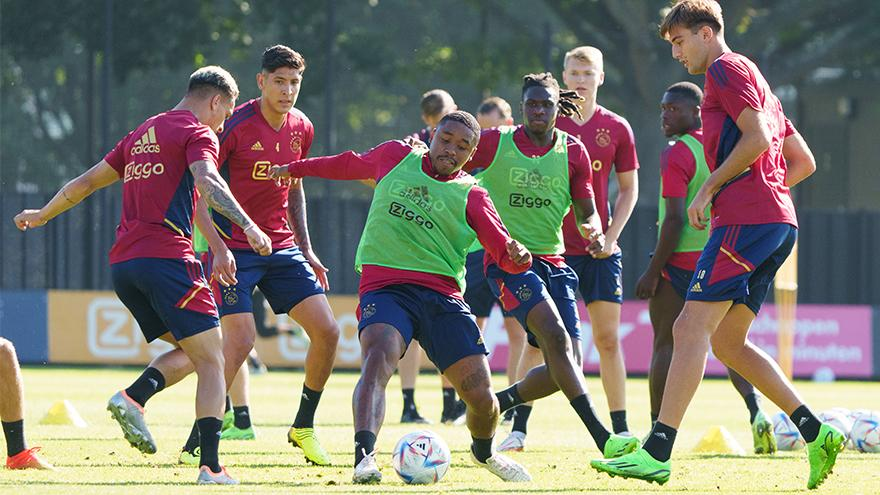
Watch Ajax’s Philosophy in Action
These videos provide an excellent insight into Ajax’s world-famous academy.
Inside Ajax Academy
https://www.youtube.com/results?search_query=Inside+Ajax+Academy
Ajax De Toekomst Training
https://www.youtube.com/results?search_query=Ajax+De+Toekomst+training
Ajax Passing Drills
https://www.youtube.com/results?search_query=Ajax+passing+drills
Ajax Tactical Training Session
https://www.youtube.com/results?search_query=Ajax+tactical+training
A Different Country, the Same Success
While Ajax became famous for developing intelligent footballers, another European academy quietly produced some of the greatest attacking players of the modern era.
Located in Portugal, its graduates include Cristiano Ronaldo, Luís Figo, Nani, João Moutinho, Ricardo Quaresma and many more.
In the next chapter, we travel to Sporting CP Academy, where discipline, technical excellence and relentless individual development have produced generation after generation of elite footballers.
Part 4 – Sporting CP: The Academy That Produced Cristiano Ronaldo and Generations of World-Class Footballers
If FC Barcelona became famous for possession football and Ajax for tactical intelligence, Sporting Clube de Portugal built its reputation on producing technically outstanding footballers capable of competing anywhere in the world.
Located at the Academia Cristiano Ronaldo in Alcochete, just outside Lisbon, Sporting’s academy has quietly become one of the most successful talent factories in football history.
Its list of graduates is remarkable.
Cristiano Ronaldo.
Luís Figo.
Nani.
João Moutinho.
Ricardo Quaresma.
Rafael Leão.
Bruno Fernandes.
Pedro Gonçalves.
And dozens of other professionals who have gone on to play at the highest level.
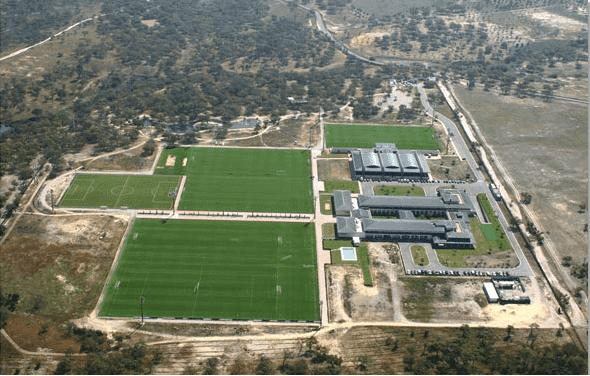
Very few clubs in world football can match this record.
A Culture Built Around Individual Improvement
Sporting’s philosophy is based on one simple belief.
Every player develops differently.
Instead of forcing every youngster through exactly the same pathway, coaches identify each player’s strengths and weaknesses before creating individual development objectives.
Some players need more work on:
- First touch.
- Finishing.
- Decision-making.
- Physical strength.
- Passing range.
- Defensive positioning.
- Leadership.
- Communication.
Every session has a purpose.
Every exercise has a measurable objective.
Technical Excellence Comes First
Like Barcelona and Ajax, Sporting believes technical ability should never be sacrificed for early physical advantages.
Young players spend countless hours improving:
- Ball control.
- Dribbling.
- Passing under pressure.
- Receiving with both feet.
- Turning quickly.
- Shielding possession.
- One-touch combinations.
The philosophy is clear.
A technically outstanding player can adapt to different tactical systems throughout a professional career.
Without technical quality, that becomes far more difficult.
Cristiano Ronaldo’s Greatest Lesson
Many people assume Cristiano Ronaldo became the world’s best because of natural talent.
Sporting’s coaches tell a different story.
They remember a teenager who was obsessed with improvement.
He stayed behind after training.
Repeated finishing drills.
Worked on both feet.
Practised free kicks.
Improved his weaker skills.
Asked questions.
Accepted criticism.
Returned the next day determined to improve again.
His work ethic eventually became as famous as his extraordinary ability.
Inside Sporting, that mentality is considered just as important as talent itself.

Training Both Feet from an Early Age
One area where Sporting places enormous emphasis is bilateral development.
Players are expected to:
- Pass with both feet.
- Finish with both feet.
- Receive comfortably on either side.
- Dribble in both directions.
This creates footballers who become much harder to defend.
Opponents cannot easily predict their next action.
The best academy graduates become unpredictable because they remain comfortable regardless of which foot receives the ball.
Decision-Making Under Pressure
Sporting’s coaches rarely create easy exercises.
Instead, they deliberately increase pressure.
Smaller spaces.
Fewer touches.
Numerical disadvantages.
Faster transitions.
The objective isn’t simply to improve technique.
It is to improve decision-making when time and space disappear.
Because that is exactly what players experience at professional level.
Character Matters as Much as Talent
Technical ability may earn a player an academy place.
Character often determines who stays.
Sporting evaluates qualities such as:
- Humility.
- Discipline.
- Professionalism.
- Teamwork.
- Respect.
- Resilience.
- Desire to learn.
Players who combine outstanding technical ability with exceptional character are usually the ones who progress furthest.
Learning Through Competition
Competition inside Sporting’s academy is intense.
Every training session matters.
Every performance is evaluated.
Yet competition is designed to inspire rather than create fear.
Players challenge one another to improve.
High standards become normal.
Excellence becomes a daily habit rather than an occasional achievement.
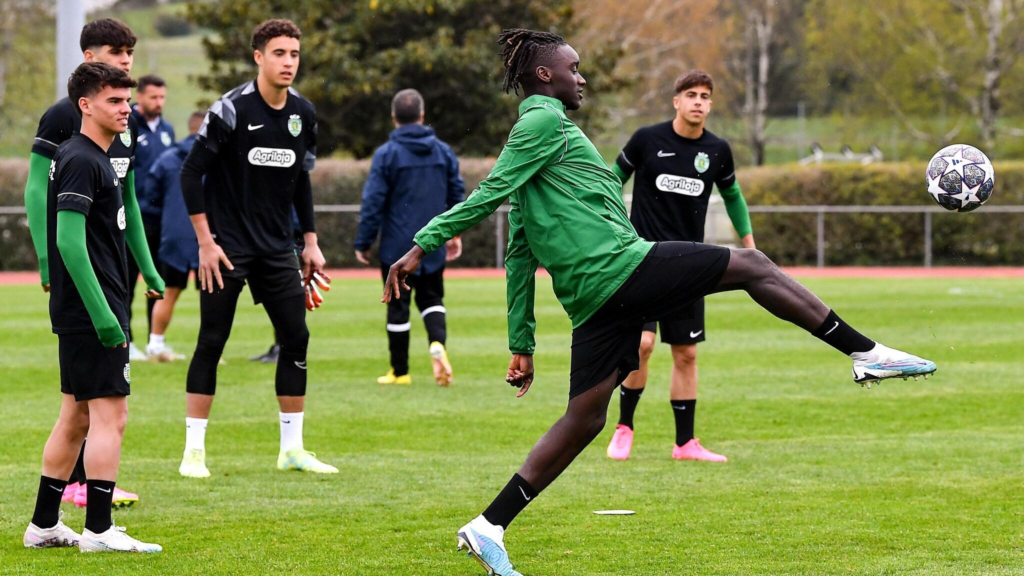
Watch Sporting CP Academy in Action
These videos provide an excellent insight into Sporting’s development philosophy.
Sporting CP Academy Tour
https://www.youtube.com/results?search_query=Sporting+CP+Academy+Tour
Cristiano Ronaldo at Sporting CP
https://www.youtube.com/results?search_query=Cristiano+Ronaldo+Sporting+CP+academy
Sporting CP Youth Training
https://www.youtube.com/results?search_query=Sporting+CP+Youth+Training
Elite Individual Football Training
https://www.youtube.com/results?search_query=elite+individual+football+training
Portugal’s Other Talent Factory
While Sporting produced Cristiano Ronaldo and Luís Figo, another Portuguese academy has quietly developed an extraordinary number of elite footballers over the past two decades.
Its modern facilities are considered among the finest in Europe.
Its graduates regularly appear in the UEFA Champions League, the Premier League, La Liga, Serie A and major international tournaments.
Part 5 – Benfica Campus: Where Science, Technology and Elite Coaching Create World-Class Footballers
If Barcelona revolutionised football philosophy, Ajax transformed tactical education and Sporting CP perfected individual player development, Benfica became famous for combining all of those principles with modern sports science.
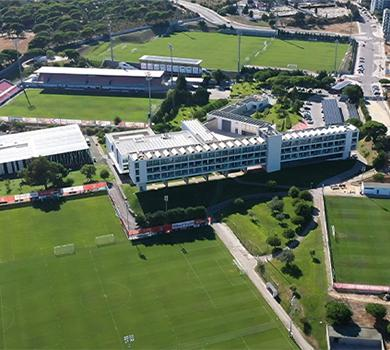
Located just outside Lisbon, Benfica Campus is widely regarded as one of the most advanced football academies in the world.
Its mission is clear:
Develop complete footballers who are technically outstanding, tactically intelligent, physically prepared and mentally resilient.
During the last two decades, Benfica has consistently produced players who have become stars across Europe’s biggest leagues.
The academy has become one of football’s greatest production lines.
A Professional Environment from Day One
One of the first things visitors notice is how professional everything feels.
Young players are introduced early to habits normally associated with senior professionals.
They learn about:
- Nutrition.
- Recovery.
- Sleep.
- Hydration.
- Strength training.
- Match preparation.
- Video analysis.
- Professional behaviour.
Football development extends far beyond what happens during training sessions.
Every daily habit matters.
Every Player Is Constantly Measured
Benfica believes improvement should be measurable.
Rather than relying only on coaches’ opinions, the academy collects information throughout the season.
Players receive continuous feedback regarding:
- Technical development.
- Tactical understanding.
- Physical progress.
- Decision-making.
- Match performance.
- Psychological growth.
This data helps coaches adapt individual training programmes instead of treating every player the same.
The philosophy is simple.
If you can measure improvement, you can improve more efficiently.
Technology Supports Coaching—It Never Replaces It
Modern technology plays an important role inside Benfica Campus.
Players are monitored using:
- GPS tracking.
- Match analysis software.
- Performance statistics.
- Physical testing.
- Video feedback.
However, coaches remain at the centre of the development process.
Technology provides information.
Great coaches turn that information into better footballers.
That balance has become one of Benfica’s greatest strengths.
Developing Creative Players
Many youth academies become obsessed with rigid tactical systems.
Benfica takes a different approach.
Structure is important.
Creativity is equally important.
Players are encouraged to:
- Dribble when appropriate.
- Play forward whenever possible.
- Attack defenders.
- Create numerical advantages.
- Take intelligent risks.
Coaches believe football should never become robotic.
The objective is to develop players capable of solving problems independently.
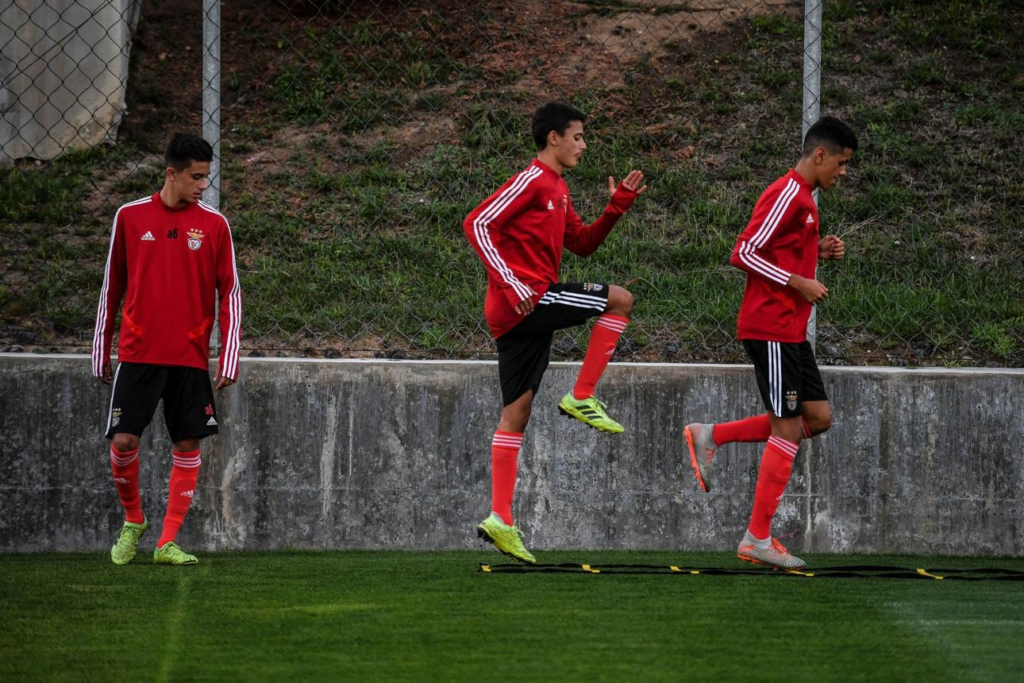
Decision-Making Under Real Match Pressure
Training sessions rarely feel repetitive.
Exercises constantly change.
The number of players changes.
The size of the pitch changes.
The direction of play changes.
The rules change.
Why?
Because football itself is unpredictable.
If training becomes predictable, learning slows down.
By creating constantly changing environments, Benfica teaches players to adapt quickly—one of the most valuable skills in modern football.
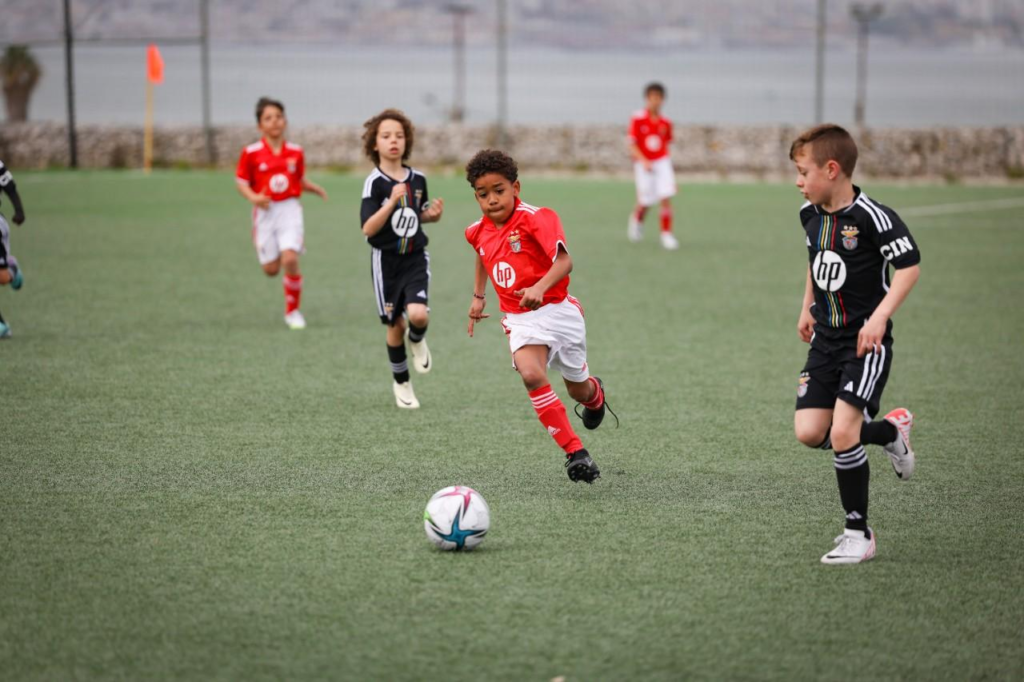
Producing Professionals, Not Youth Champions
Benfica’s academy has a long-term perspective.
Youth trophies are appreciated.
Professional careers matter far more.
Many academy graduates spend years developing before eventually breaking into elite football.
Patience is considered an essential part of the process.
Players are never judged solely by what they achieve at thirteen or fourteen years old.
Instead, coaches ask a more important question:
How good can this player become at twenty-three?
That mindset removes unnecessary pressure and allows genuine talent to flourish.
What Makes Benfica Different?
Although Benfica shares many ideas with Barcelona, Ajax and Sporting, several characteristics stand out:
- Extensive use of performance data.
- Exceptional individual feedback.
- Integration of sports science.
- Continuous tactical education.
- Modern recovery methods.
- Personal development alongside football education.
Together, these elements create an environment where players improve every single week.
Small improvements accumulate.
After several years, those improvements become extraordinary.
Recommended Videos
These documentaries and training sessions provide an excellent insight into Benfica Campus.
Benfica Campus Tour
https://www.youtube.com/results?search_query=Benfica+Campus+Tour
Benfica Youth Academy Training
https://www.youtube.com/results?search_query=Benfica+Youth+Academy+Training
Football Performance Analysis
https://www.youtube.com/results?search_query=football+performance+analysis
Elite Academy Positional Games
https://www.youtube.com/results?search_query=elite+academy+positional+games
The French Academy That Produced World Champions
While Portugal developed extraordinary technical players, France created one of the most successful national football academies ever established.
Its graduates include World Cup winners, Ballon d’Or contenders and some of the greatest talents of the modern era.
Unlike the club academies we’ve explored so far, this institution serves an entire nation.
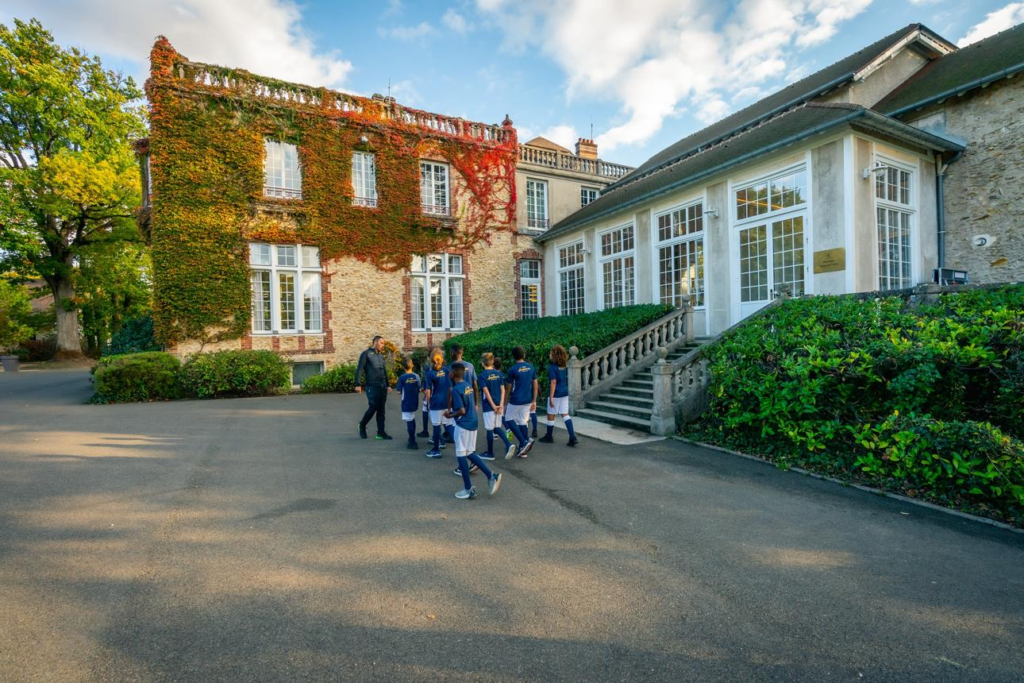
Part 6 – Clairefontaine: The National Academy That Helped Build a World Champion
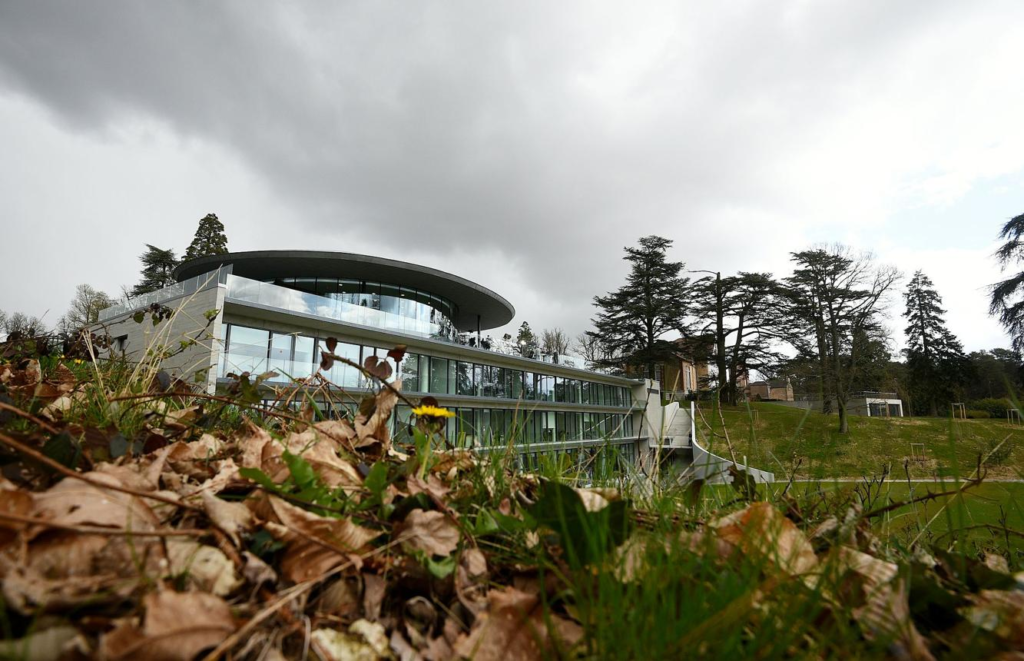
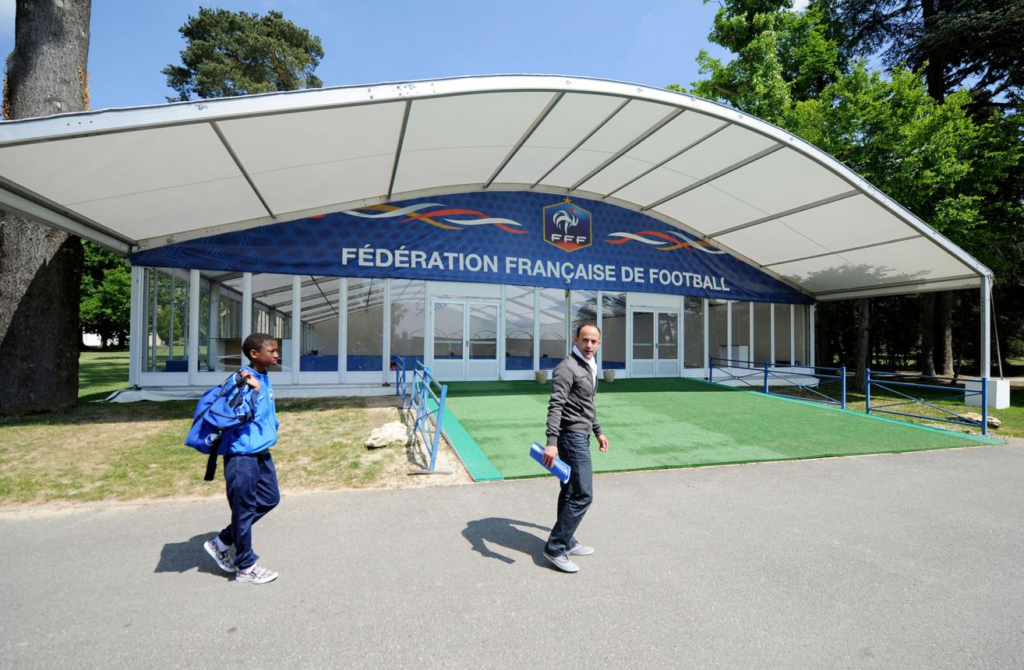
Unlike the academies we’ve explored so far, Clairefontaine is not owned by a football club.
It belongs to the French Football Federation (FFF) and was created with one ambitious goal:
To identify and develop the very best young footballers in France before they return to their clubs as better players.
Since opening in 1988, Clairefontaine has become one of the most respected player development centres in world football.
Many players who passed through its gates have gone on to win the FIFA World Cup, the UEFA Champions League and some of football’s greatest individual honours.
The academy has become a symbol of long-term planning, patience and excellence.
France’s Hidden Advantage
France possesses one of the largest talent pools in world football.
Rather than relying purely on professional clubs, the French Football Federation created a national pathway to ensure exceptional young players receive world-class coaching from an early age.
Players continue representing their local clubs while regularly attending Clairefontaine for elite training and education.
This creates a unique partnership between clubs and the national federation.
Everyone works towards the same objective:
Develop better footballers for the future.
Selection Is About Potential—Not Perfection
Every year, thousands of young footballers dream of earning a place at Clairefontaine.
Only a small number are selected.
Surprisingly, coaches do not simply choose the biggest, fastest or strongest children.
Instead, they evaluate qualities such as:
- Technical ability.
- Football intelligence.
- Decision-making.
- Creativity.
- Coachability.
- Personality.
- Competitive mentality.
- Capacity to improve.
The academy believes potential is far more valuable than early physical dominance.
This philosophy has helped France continuously develop elite players for decades.
Football Education Beyond the Pitch
Life at Clairefontaine extends far beyond football training.
Young players continue their academic education while learning:
- Leadership.
- Communication.
- Nutrition.
- Psychology.
- Match analysis.
- Professional behaviour.
- Media responsibilities.
The objective is simple.
Create complete athletes prepared for every aspect of professional football.
This holistic approach has become one of Clairefontaine’s greatest strengths.
Technique Before Winning
One philosophy has remained constant throughout the academy’s history.
Winning youth matches is never the ultimate objective.
Instead, coaches focus on developing players capable of succeeding at senior international level.
Training sessions encourage:
- Receiving under pressure.
- Playing forward.
- Quick combinations.
- Intelligent movement.
- Creativity.
- Confidence.
- Problem-solving.
Players are challenged constantly.
Not because coaches expect perfection.
Because they expect continuous improvement.
Building Mentally Strong Footballers
Elite football is mentally demanding.
Every player experiences setbacks.
Injuries.
Competition.
Rejection.
Pressure.
Clairefontaine prepares players for these realities from an early age.
Mental resilience becomes part of everyday training.
Players learn to:
- Handle mistakes.
- Accept feedback.
- Stay confident.
- Recover quickly after disappointment.
- Continue improving under pressure.
These psychological skills often become decisive later in professional careers.
The Clairefontaine Effect
The academy’s influence extends far beyond the players who train there.
Its coaching philosophy has shaped youth football throughout France.
Many coaches educated within the French system later work in professional clubs across Europe, spreading the same development principles.
This creates a national football identity built around:
- Technical excellence.
- Tactical intelligence.
- Creativity.
- Discipline.
- Long-term development.
Few countries have achieved this level of consistency.
Recommended Videos
These documentaries offer an excellent insight into France’s famous academy.
Inside Clairefontaine
https://www.youtube.com/results?search_query=Inside+Clairefontaine+Academy
French Football Academy Documentary
https://www.youtube.com/results?search_query=French+Football+Academy+Documentary
France Youth National Team Training
https://www.youtube.com/results?search_query=France+Youth+National+Team+Training
Elite Technical Football Sessions
https://www.youtube.com/results?search_query=elite+technical+football+training
A New Generation of Elite Academies
Football development never stands still.
While Barcelona, Ajax, Sporting, Benfica and Clairefontaine built the foundations of modern player development, a new generation of academies has emerged over the past two decades.
Some combine sports science with data.
Others use cognitive training.
Several focus on individual learning plans and game intelligence more than ever before.
In the next chapter, we explore how Manchester City, Bayern Munich, Atalanta, Dinamo Zagreb and FC Nordsjælland have adapted football development for the modern game—and why they continue producing players capable of succeeding at the very highest level.
Part 7 – The New Generation of Elite Football Academies: Manchester City, Bayern Munich, Atalanta, Dinamo Zagreb and FC Nordsjælland
Football never stands still.
The academies that dominated player development twenty or thirty years ago have inspired a new generation of clubs to rethink how footballers are educated.
Today’s elite academies combine the traditional principles of Barcelona, Ajax and Sporting CP with cutting-edge technology, sports science, psychology and individual player development.
The objective remains the same.
Produce better footballers.
The methods continue to evolve.
Manchester City – Building Complete Modern Footballers
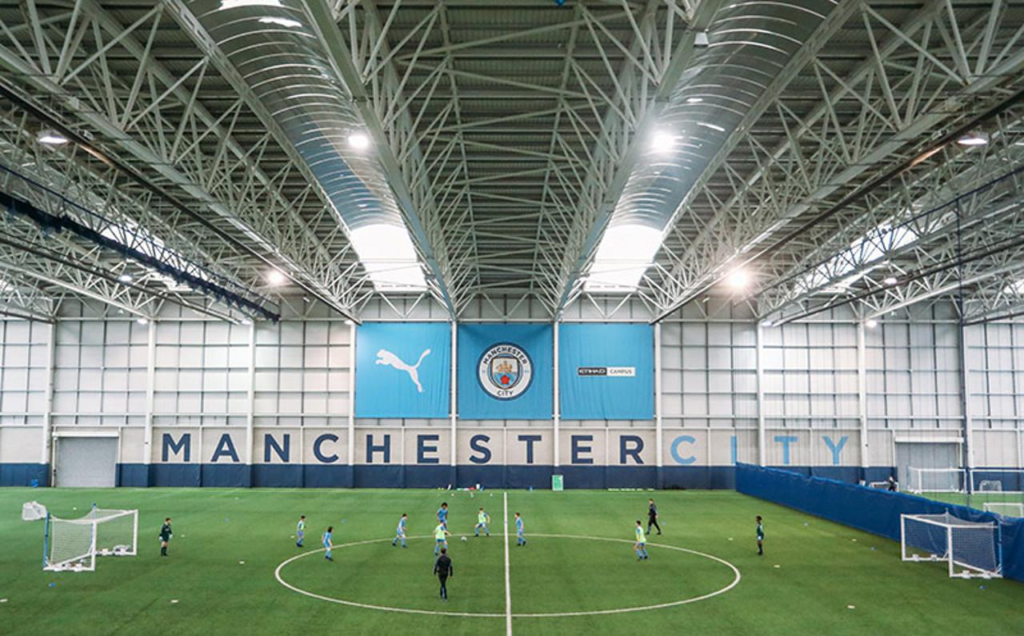
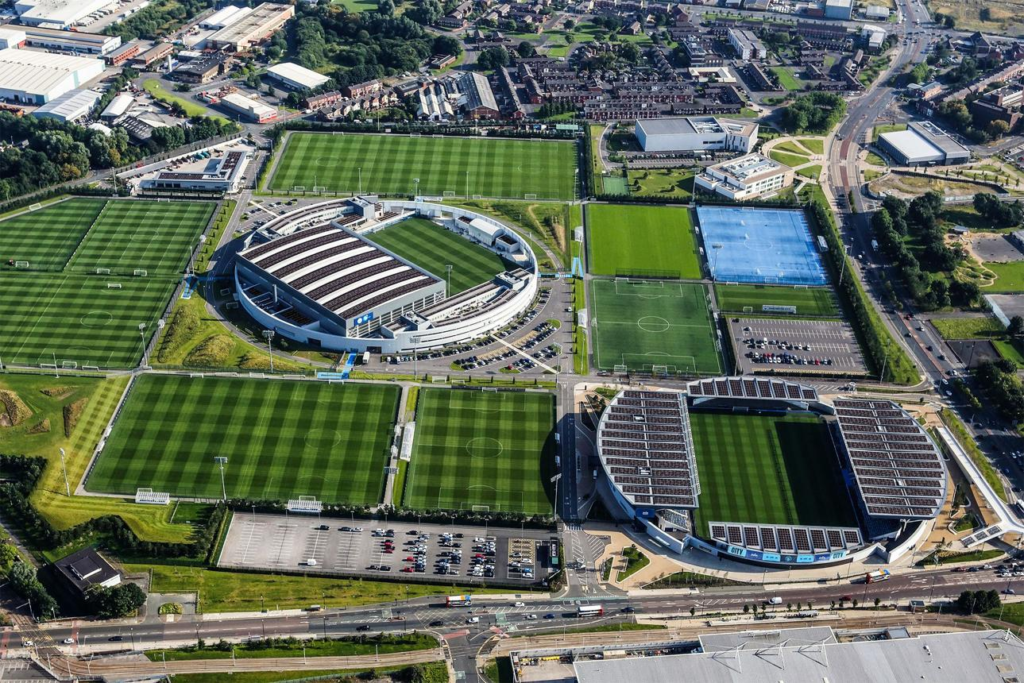
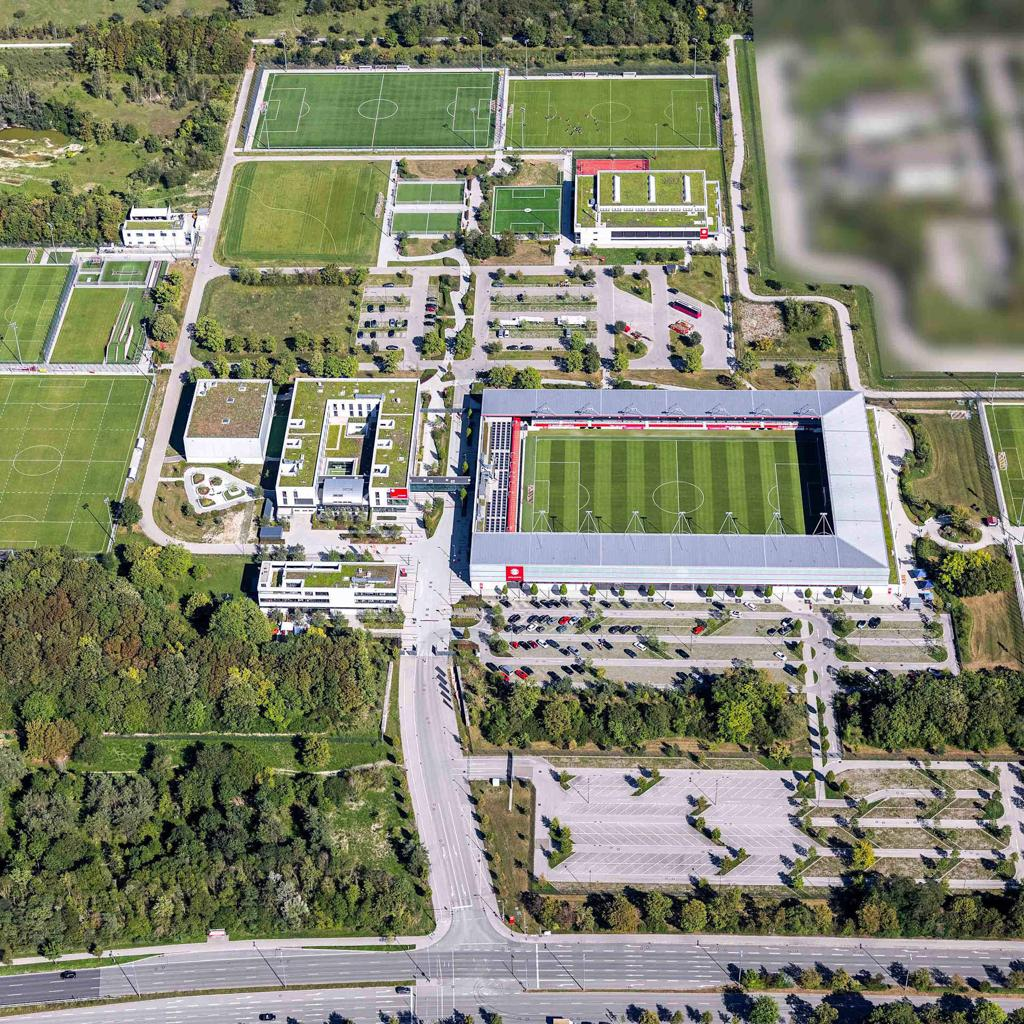
Manchester City’s academy is one of the newest elite football environments in Europe.
Built next to the Etihad Stadium, the City Football Academy represents one of the largest investments ever made in youth football.
Unlike many clubs that simply purchase established stars, Manchester City has invested heavily in creating its own pathway from academy football to the first team.
Young players train only a few metres away from senior professionals.
They see exactly what professional standards look like every single day.
Every Session Mirrors the First Team
Manchester City’s youth teams follow many of the same principles used by Pep Guardiola’s first team.
Players learn:
- Build-up play.
- Playing through pressure.
- Positional football.
- Creating overloads.
- Third-man combinations.
- Press resistance.
- Intelligent movement.
This creates a smoother transition into senior football because players already understand the club’s playing philosophy.
Bayern Munich – Discipline Meets Creativity
While many clubs focus almost exclusively on technical development, Bayern Munich combines technical excellence with discipline and professionalism.
At the modern Bayern Campus, every player is expected to improve every day.
Standards remain extremely high.
Players learn:
- Tactical flexibility.
- Physical preparation.
- Professional behaviour.
- Leadership.
- Team responsibility.
Bayern believes elite footballers should become role models both on and off the pitch.
Atalanta – Italy’s Hidden Talent Factory
For many years, Atalanta quietly built one of Europe’s most productive academies.
Without the financial power of many larger clubs, Atalanta focused on something different.
Outstanding coaching.
Players develop through:
- Constant tactical learning.
- Technical repetition under pressure.
- Intelligent positioning.
- Fast attacking football.
- Individual improvement plans.
Many academy graduates have become Serie A stars before moving to Europe’s biggest clubs.
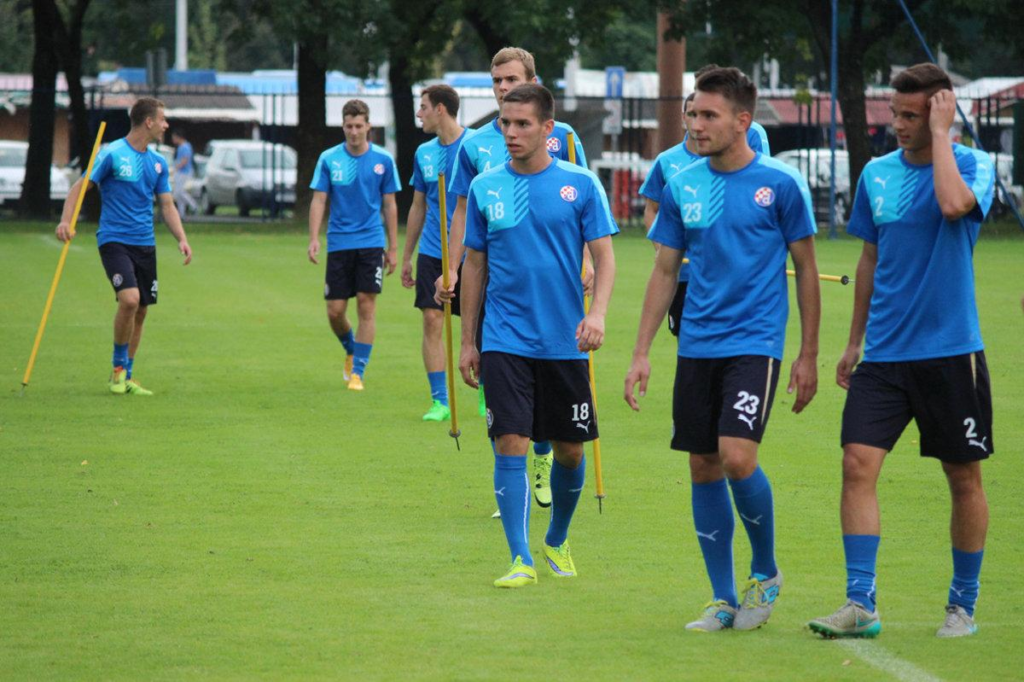
Dinamo Zagreb – Europe’s Most Efficient Academy
Croatia has a population of less than four million people.
Despite that, Dinamo Zagreb continues producing elite footballers almost every season.
Its academy has developed players who later starred in the UEFA Champions League, Premier League, La Liga and international tournaments.
The philosophy is built around:
- Technical excellence.
- Competitive mentality.
- Fearless football.
- Tactical education.
- Personal responsibility.
Every young player understands that reaching the first team is a realistic possibility.
That belief creates extraordinary motivation.
FC Nordsjælland – Denmark’s Modern Football Laboratory
Over the last decade, FC Nordsjælland has become one of Europe’s most respected development clubs.
Working closely with the Right to Dream Academy, the club has demonstrated that elite player development does not depend on having the biggest budget.
Instead, success comes from creating the right learning environment.
Young players receive:
- Individual development plans.
- Continuous feedback.
- Tactical education.
- Technical training.
- Psychological support.
- Leadership opportunities.
Rather than fearing mistakes, players are encouraged to play brave, attacking football.
The result has been an impressive production line of players now competing across Europe’s top leagues.
The Five Principles Shared by Every Great Academy
After studying the world’s leading academies, one pattern becomes impossible to ignore.
Regardless of country, culture or budget, they all prioritise the same core principles.
1. Development Comes Before Winning
Youth trophies are temporary.
Professional careers last decades.
Great academies never sacrifice long-term learning for short-term victories.
2. Every Player Touches the Ball Constantly
Training is designed around maximum involvement.
More touches.
More decisions.
More learning.
3. Coaches Ask More Questions Than They Give Answers
Instead of telling players exactly what to do, coaches encourage independent thinking.
Players become problem-solvers.
Not robots.
4. Mistakes Are Encouraged
Elite academies understand one important truth.
Players who never make mistakes rarely improve.
Creative footballers need freedom.
5. Football Intelligence Is Trained Every Day
Scanning.
Awareness.
Decision-making.
Positioning.
Communication.
These invisible skills separate professionals from everyone else.
Every great academy deliberately trains them.
Recommended Videos
Manchester City Academy Tour
https://www.youtube.com/results?search_query=Manchester+City+Academy+Tour
Bayern Munich Campus Documentary
https://www.youtube.com/results?search_query=Bayern+Munich+Campus
Atalanta Youth Academy
https://www.youtube.com/results?search_query=Atalanta+Youth+Academy
Dinamo Zagreb Academy
https://www.youtube.com/results?search_query=Dinamo+Zagreb+Academy
FC Nordsjælland & Right to Dream
https://www.youtube.com/results?search_query=FC+Nordsjaelland+Right+to+Dream
The next chapter shifts from academy philosophy to practical application.
You’ll discover the exact training methods, weekly routines and coaching principles that any club, coach or player can use to recreate many of the habits found inside the world’s greatest football academies—without needing a multi-million-pound training facility.
Part 8 – How Any Coach, Club or Player Can Apply the Principles of the World’s Best Football Academies
After studying the world’s greatest academies, one question naturally follows:
Can ordinary clubs copy what Barcelona, Ajax, Sporting CP, Benfica, Clairefontaine and Manchester City do?
The answer is yes.
Not every club has millions to spend.
Not every academy has world-class facilities.
But every coach can improve the learning environment.
The greatest advantage of elite academies isn’t expensive buildings.
It’s better coaching.
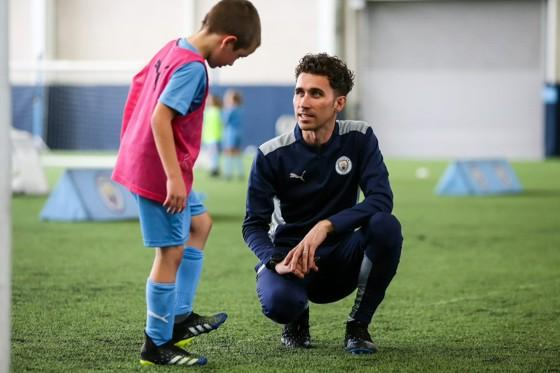
1. Make Every Training Session Game-Like
One of the biggest mistakes in youth football is separating technical training completely from real football situations.
Players spend long periods:
- Dribbling around cones.
- Passing without pressure.
- Shooting without defenders.
These exercises can have value.
But football is played under pressure.
Every academy we have explored tries to recreate real match situations during training.
Ask yourself:
- Is the player making decisions?
- Is there pressure?
- Does the player have multiple options?
- Does the exercise resemble football?
If the answer is yes, learning accelerates dramatically.
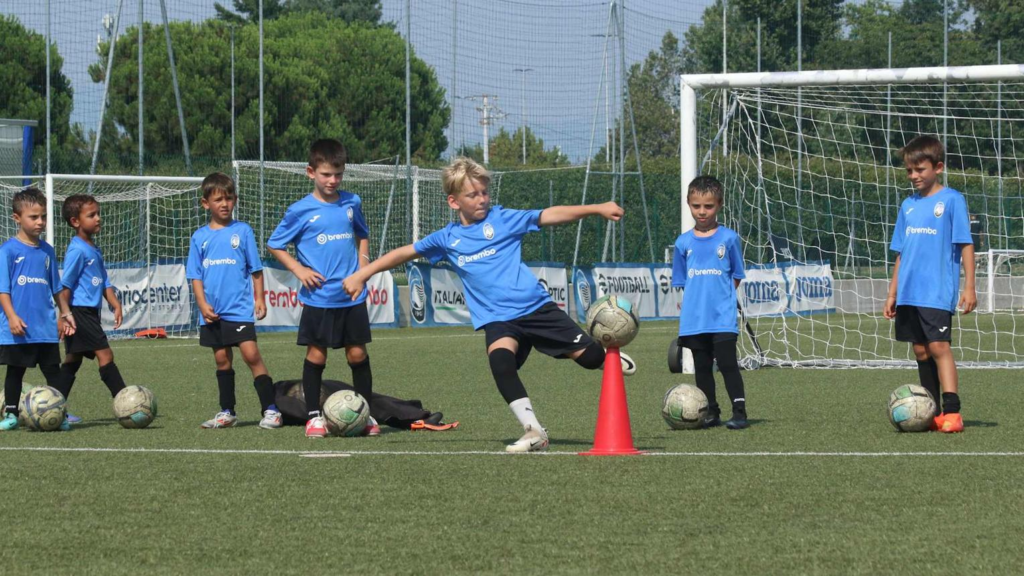
2. Increase Ball Contacts
Elite academies understand one simple truth.
Players improve when they interact with the ball.
That sounds obvious.
Yet many youth training sessions involve players standing in queues waiting for their turn.
Instead, organise sessions where everyone participates constantly.
Examples include:
- 3v3 games.
- 4v4 games.
- Rondos.
- Ball mastery circuits.
- Continuous possession games.
More touches create better footballers.
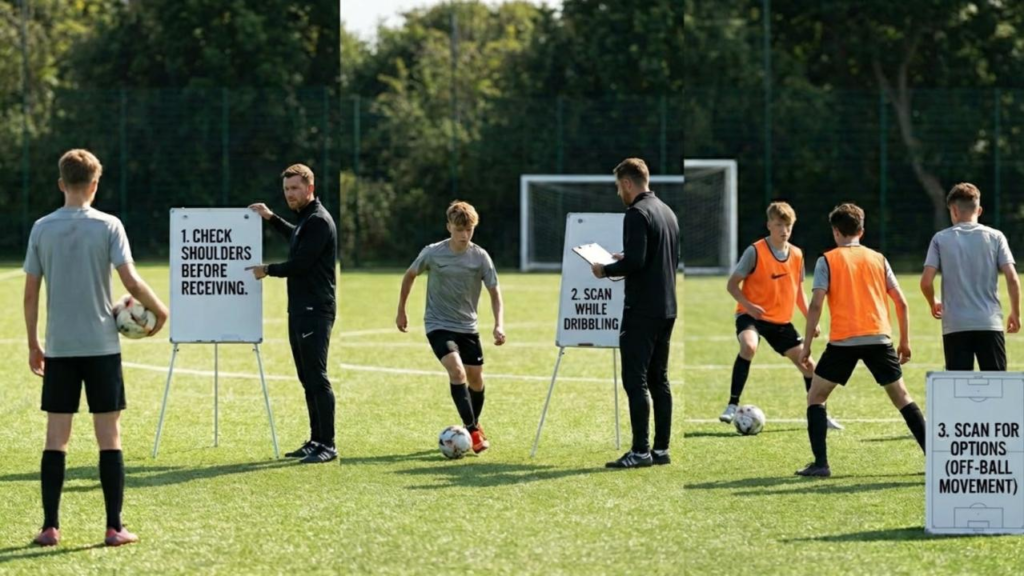
3. Encourage Scanning Before Every Action
The world’s best players don’t just react.
They prepare.
Encourage players to check their surroundings before receiving every pass.
Ask questions like:
“What did you see?”
“Who was free?”
“Where was the pressure?”
Over time this habit becomes automatic.
Eventually players begin playing faster without actually running faster.
4. Create More 1v1 Situations
Modern football still rewards players capable of beating opponents individually.
Many academies deliberately create repeated 1v1 situations during training.
Players learn:
- Timing.
- Confidence.
- Creativity.
- Body feints.
- Acceleration.
- Protecting the ball.
Winning a duel changes matches.
Elite academies know this.
5. Let Players Solve Problems
Many coaches talk too much.
Elite academy coaches often talk less.
Instead of giving immediate answers they ask questions.
What happened?
Why?
What could you have done differently?
Which option was better?
Players who discover solutions themselves remember them much longer.
6. Don’t Fear Mistakes
Perhaps the greatest lesson from every academy we have studied is this:
Mistakes are essential.
Young footballers who fear losing possession stop trying difficult things.
Eventually they become predictable.
Elite academies encourage brave football.
Creative football.
Attacking football.
Players learn by making mistakes.
Not by avoiding them.
7. Train Both Feet Every Week
Almost every elite academy includes exercises requiring players to use both feet.
Simple habits include:
- Passing with both feet.
- Finishing with both feet.
- First-touch exercises.
- Weak-foot dribbling.
- Crossing from both sides.
After several years the difference becomes enormous.
Unpredictable players become much harder to defend.
8. Develop Better People, Not Just Better Players
Every successful academy emphasises character.
Respect.
Discipline.
Responsibility.
Humility.
Leadership.
Professional behaviour.
Talent may open the first door.
Character keeps it open.
Football careers last far longer when players become outstanding people as well as outstanding athletes.
Weekly Academy-Inspired Training Checklist
Every week, ask yourself these questions:
✅ Did players touch the ball hundreds of times?
✅ Did they make difficult decisions?
✅ Did they play under pressure?
✅ Did they scan regularly?
✅ Did they solve problems independently?
✅ Did they enjoy training?
✅ Did they improve compared to last week?
If the answer is yes, you’re already following many of the principles used by the world’s best academies.
Recommended Videos
Elite Academy Individual Training
https://www.youtube.com/results?search_query=elite+academy+individual+training
Football 1v1 Training
https://www.youtube.com/results?search_query=football+1v1+training
Ball Mastery Training
https://www.youtube.com/results?search_query=ball+mastery+football
Football Awareness Exercises
https://www.youtube.com/results?search_query=football+awareness+training
Professional Youth Coaching Session
https://www.youtube.com/results?search_query=professional+youth+football+training
Part 9 – The Biggest Myths About Football Talent, the Future of Elite Academies and the Ultimate Conclusion
After exploring the world’s greatest football academies, one thing becomes crystal clear.
There is no magical training drill.
No secret exercise.
No hidden shortcut.
Barcelona, Ajax, Sporting CP, Benfica, Clairefontaine, Manchester City, Bayern Munich, Atalanta, Dinamo Zagreb and FC Nordsjælland all work differently.
Yet every successful academy shares the same philosophy.
They develop footballers for the future—not simply winners for next weekend.
Myth 1 – Talent Is Everything
This is probably the biggest myth in football.
Talent matters.
But talent without development rarely reaches the highest level.
Many gifted children stop improving because they rely too heavily on natural ability.
Meanwhile, slightly less talented players continue learning, improving and eventually overtake them.
Elite academies understand this better than anyone.
Potential is never fixed.
Myth 2 – The Biggest Players Are the Best Players
Youth football often rewards physical maturity.
Early developers appear faster.
Stronger.
More dominant.
However, professional football rewards something completely different.
Players who:
- Think quickly.
- Solve problems.
- Control the ball.
- Adapt under pressure.
- Read the game.
Many physically dominant youth players eventually lose their advantage.
Technical and intelligent footballers continue improving.
Myth 3 – More Training Automatically Creates Better Players
Training volume matters.
Training quality matters even more.
The world’s greatest academies constantly ask:
Are players making decisions?
Are they learning?
Are they solving problems?
Are they challenged?
Simply spending more hours on the pitch is not enough.
Every minute must have a purpose.
Myth 4 – Winning Youth Trophies Predicts Professional Success
History tells us otherwise.
Many outstanding youth teams never produce elite professionals.
Meanwhile, academies that focus almost entirely on player development continue producing world-class footballers.
The score on Saturday is temporary.
Player development lasts a lifetime.
The Future of Football Academies
Football development continues evolving.
The next generation of academies is already introducing:
- Artificial intelligence.
- Advanced video analysis.
- Cognitive training.
- Virtual reality.
- GPS performance monitoring.
- Individual learning platforms.
- Personalised development programmes.
Technology will continue improving.
But one thing will never change.
Great coaches remain the most important part of every academy.
Technology provides information.
Coaches create footballers.
Lessons Every Coach Can Take Home
Regardless of where you coach, the world’s greatest academies teach us several timeless lessons.
Train with the ball.
Encourage creativity.
Reward brave decisions.
Accept mistakes.
Teach scanning.
Develop football intelligence.
Create independent thinkers.
Value character as much as ability.
Support long-term development.
These principles work at every level of football.
From six-year-olds playing for fun to Champions League professionals.
The Ultimate Conclusion
The greatest academies in the world do not produce extraordinary footballers by accident.
They do it because every detail has been carefully designed.
Every session.
Every conversation.
Every exercise.
Every piece of feedback.
Every decision.
Player development is never left to chance.
Perhaps the most inspiring lesson is this:
You don’t need Barcelona’s facilities.
You don’t need Manchester City’s budget.
You don’t need Ajax’s history.
You simply need to apply the same principles.
Focus on learning.
Encourage intelligent football.
Allow creativity.
Develop people before players.
If you consistently do those things, extraordinary improvement becomes possible almost anywhere in the world.
That may be the greatest lesson every football academy has to offer.

Frequently Asked Questions (FAQ)
Which football academy has produced the most world-class players?
Barcelona’s La Masia, Ajax, Sporting CP, Benfica and Clairefontaine are widely regarded as among the most successful football academies ever created.
What age should players join an academy?
Most professional academies begin identifying players between the ages of 6 and 12, although development continues throughout the teenage years.
What do scouts look for?
Modern scouts evaluate far more than technical ability.
They assess football intelligence, scanning, decision-making, personality, coachability, communication, resilience and long-term potential.
Do academy players train every day?
Training frequency varies by age, but elite academy players combine team sessions with individual technical work, recovery, education and match analysis throughout the week.
Can players become professionals without joining an academy?
Yes.
Many professionals developed outside elite academies before later being discovered.
However, structured academy environments generally provide more opportunities for long-term development.
What is the most important skill in modern football?
Technical ability remains essential, but many coaches believe decision-making, football intelligence and scanning are the qualities that separate elite professionals from everyone else.
Thank You for Reading
If you enjoyed this guide, explore more football articles, player development resources and coaching ideas at:
Whether you’re a player chasing your dream, a coach developing the next generation or a parent supporting a young footballer, remember one thing:
Great players are not born overnight. They are built—one training session, one decision and one lesson at a time.
Thank you for being part of the Finter community.
Keep learning.
Keep improving.
And never stop enjoying the beautiful game.