
🇩🇰 Kort introduktion
Hvorfor mister selv verdens bedste fodboldspillere pludselig selvtilliden? Hvorfor tør nogle spillere ikke længere udfordre deres modstander, selv om de har talentet? Og hvordan arbejder de største klubber og akademier med sportspsykologi og mental styrke?
I denne komplette guide dykker vi ned i videnskaben bag selvtillid i fodbold. Du lærer, hvorfor selvtillid er lige så vigtig som teknik, hvordan professionelle spillere bygger den op igen efter modgang, og hvilke øvelser trænere, spillere og forældre kan bruge i hverdagen.
Artiklen indeholder forskning, historier fra verdens bedste spillere, konkrete træningsøvelser, sportspsykologi, videoer, billeder og masser af inspiration til spillere på alle niveauer.
Confidence: Football’s Most Underrated Skill
SEO Title
Why Footballers Lose Confidence – Sports Psychology, Mental Strength, Football Confidence Training & Peak Performance
SEO URL
https://finter.dk/why-footballers-lose-confidence
Meta Description
Discover why footballers lose confidence, how elite players rebuild self-belief and the psychology behind peak performance. Learn the methods used by professional footballers, coaches and sports psychologists.
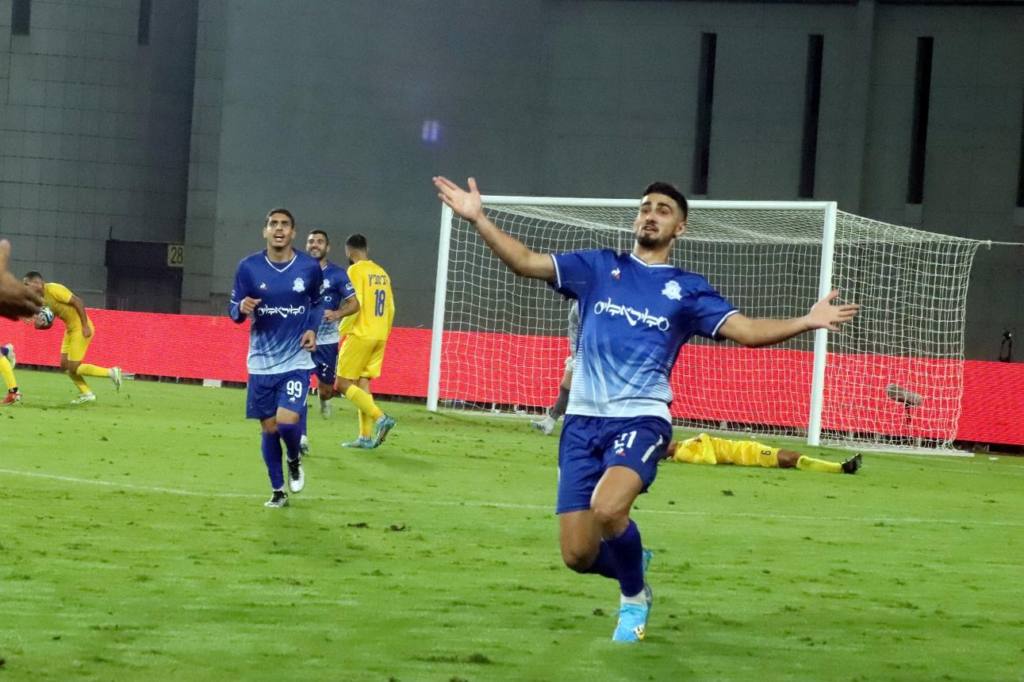
🇬🇧 Welcome to Finter – Your Home for Football Development
Before you dive into this guide, we’d like to welcome you to Finter — a football platform dedicated to helping players, coaches and parents improve every aspect of the game.
From elite academy training and technical skills to football intelligence, scanning, tactical awareness and player development, you’ll find hundreds of in-depth football articles designed to help you improve every day.
Whether you’re taking your first steps in football or chasing a professional career, Finter is here to inspire, educate and help you become a better footballer.
🌍 Start here
🧠 Fodbold IQ: Derfor ser nogle spillere spillet hurtigere end andre
UEFA Champions League Historien – Fra Europa Cuppen til Verdens Største Klubturnering
⚽ Kevin De Bruyne – Den Ultimative Guide til Verdens Bedste Playmaker
Confidence Is Football’s Hidden Superpower
Every football supporter has seen it.
One week a player looks unstoppable.
The following week he suddenly appears to have lost everything that made him special.
The first touch becomes heavier.
The passes become safer.
The dribbles disappear.
The shots lack conviction.
The player suddenly looks slower—even though nothing has physically changed.
What happened?
In many cases, the answer is surprisingly simple.
Confidence.
Confidence cannot be measured by GPS.
It doesn’t appear on the statistics sheet.
No television commentator can calculate it.
Yet it influences almost every decision a footballer makes during ninety minutes.
Sports psychologists often describe confidence as football’s invisible superpower because it affects every technical, tactical and physical action on the pitch.
A confident player demands the ball.
A nervous player hides from it.
That single difference can completely change a match.
The Best Players Also Lose Confidence
Many young footballers believe professional players never experience doubt.
The reality is completely different.
Every generation has watched world-class footballers struggle for weeks or even months.
Simple passes go astray.
Easy chances are missed.
Supporters begin criticising them.
Journalists question whether they have declined.
Social media becomes increasingly negative.
Yet many of these same players eventually return stronger than ever.
Why?
Because confidence is never permanent.
It rises.
It falls.
It evolves throughout an entire career.
Learning how to rebuild confidence is one of the most valuable skills any footballer can develop.
Confidence Is Not Arrogance
One of football’s biggest misunderstandings is confusing confidence with arrogance.
Confidence means trusting your preparation.
Confidence means believing you can solve difficult situations.
Arrogance means believing you have nothing left to learn.
Elite footballers almost never stop learning.
The greatest players continue asking questions.
They continue improving.
They continue analysing their own performances.
True confidence grows from preparation—not from ego.
Confidence Changes Every Technical Skill
Football is often described as a technical sport.
Passing.
Receiving.
Dribbling.
Crossing.
Heading.
Finishing.
Scanning.
Decision making.
However, confidence directly influences every one of these skills.
A confident winger attacks defenders.
A confident striker shoots first time.
A confident defender steps forward aggressively.
A confident goalkeeper claims difficult crosses.
Exactly the same footballer can suddenly look like a completely different player simply because his confidence has changed.
That is why elite academies increasingly invest in sports psychology alongside technical coaching.
Football Is Played With The Brain First
Before every pass…
Before every first touch…
Before every sprint…
Your brain has already made a decision.
Football is a continuous process of reading information.
Where is the space?
Where are my teammates?
Where is the pressure coming from?
Should I dribble?
Should I pass?
Should I turn?
Confident players answer these questions instinctively.
Players lacking confidence begin to hesitate.
And football punishes hesitation.
Preparation Creates Confidence
Many people believe scoring goals creates confidence.
Professional footballers often describe it differently.
Confidence starts long before kick-off.
It is built through consistent preparation.
Every quality training session.
Every recovery session.
Every successful repetition.
Every technical improvement.
Every positive habit.
When match day arrives…
The player simply reveals the confidence that has already been built during the week.
Preparation creates confidence.
Confidence improves performance.
Performance creates belief.
Belief leads to long-term development.
⚽

🎥 Recommended YouTube Videos
Football Confidence Training
https://www.youtube.com/results?search_query=football+confidence+training
Sports Psychology For Footballers
https://www.youtube.com/results?search_query=football+sports+psychology
Improve Football Decision Making
https://www.youtube.com/results?search_query=football+decision+making
How Elite Footballers Think
https://www.youtube.com/results?search_query=elite+football+mindset
Mental Toughness In Football
https://www.youtube.com/results?search_query=football+mental+toughness
⚽ Part 1B – Why Footballers Suddenly Lose Confidence
🇩🇰 Kort introduktion
I første del lærte du, hvorfor selvtillid er en af de vigtigste egenskaber i moderne fodbold. I denne del ser vi nærmere på, hvad der får selvtilliden til at forsvinde. Du lærer, hvorfor selv verdensstjerner rammer mentale kriser, hvordan frygt påvirker hjernen, og hvorfor små perioder med modgang hurtigt kan udvikle sig til en ond spiral. Samtidig får du konkrete råd fra sportspsykologien og links til flere engelske Finter-artikler.
Why Great Footballers Suddenly Stop Taking Risks
One of the first signs that a footballer has lost confidence is not poor technique.
It is hesitation.
The winger who normally attacks his full-back suddenly chooses to pass backwards.
The midfielder who usually turns under pressure now plays one-touch every time.
The striker who loves shooting waits for the perfect opportunity that never comes.
Nothing has changed technically.
Everything has changed mentally.
Confidence allows footballers to trust their instincts.
Without confidence, every decision feels risky.
Elite coaches often notice hesitation long before supporters do.
Because hesitation is where confidence begins to disappear.
Fear Changes Everything
Fear is one of the brain’s oldest survival mechanisms.
In football, however, fear often works against performance.
Instead of focusing on opportunities, the brain starts looking for danger.
“What if I lose the ball?”
“What if I miss the chance?”
“What if the coach gets angry?”
“What will my teammates think?”
These thoughts consume valuable mental energy.
The player is no longer playing freely.
He is playing not to fail.
And football rewards courage—not fear.

The Fear Of Making Mistakes
Every footballer makes mistakes.
The world’s best players lose possession.
They miss penalties.
They score own goals.
They make poor passes.
The difference is what happens next.
Confident players immediately move on.
Players with low confidence replay the mistake over and over inside their minds.
One mistake becomes two.
Two mistakes become five.
Soon the player expects something to go wrong before the ball even arrives.
This is known as the confidence spiral.
Why Social Media Makes Confidence Worse
Twenty years ago, a poor match ended when the final whistle blew.
Today it often continues for days.
Players open Instagram.
They check TikTok.
They read comments on Facebook.
They scroll through X.
Suddenly thousands of strangers are judging every touch.
Young players are especially vulnerable because their confidence is still developing.
Sports psychologists therefore recommend limiting social media after matches—especially difficult ones.
The opinions of anonymous people should never become more important than feedback from trusted coaches.
Confidence Can Disappear After One Injury
Returning from injury is rarely just a physical challenge.
Many footballers become afraid of getting injured again.
They hesitate in tackles.
They avoid sprinting at full speed.
They stop changing direction aggressively.
Their body has recovered.
Their mind has not.
This is why professional clubs increasingly use sports psychologists during rehabilitation.
Confidence must recover alongside the muscles.
Why Bench Players Often Lose Belief
Few things damage confidence more than sitting on the bench for several weeks.
Every player begins asking difficult questions.
“Am I good enough?”
“Why was I dropped?”
“What if I never get another chance?”
The danger is obvious.
Instead of improving during training…
The player starts training with fear.
Elite professionals use the bench differently.
They treat every session as an opportunity to prove themselves.
Because confidence should never depend entirely on selection.
Parents And Coaches Have More Influence Than They Think
Young players often remember one sentence for years.
Sometimes it comes from a coach.
Sometimes from a parent.
Negative comments repeated every week slowly become part of a player’s identity.
Positive coaching does not mean avoiding criticism.
It means correcting mistakes while protecting confidence.
The best coaches challenge players without destroying belief.
The best parents praise effort before results.
That combination creates resilient footballers.
Read More On Finter
Keep improving your football intelligence with these guides.
⚽ Welcome To Finter
Rember you can switch the language
⚽ Football Awareness And Scanning 👀 Scan banen som en pro: Hemmeligheden bag bedre beslutninger i fodbold
⚽ Why Some Footballers Always Look Like They Have More Time On The Ball 🧠 Fodbold IQ: Derfor ser nogle spillere spillet hurtigere end andre
⚽ Summer Football Training Guide ⚽ Den Ultimative Sommertræningsguide i Fodbold (U6-U18)
🎥 Recommended YouTube Videos
How To Build Confidence In Football
https://www.youtube.com/results?search_query=how+to+build+confidence+in+football
Football Sports Psychology
https://www.youtube.com/results?search_query=football+sports+psychology
Football Mental Toughness
https://www.youtube.com/results?search_query=football+mental+toughness
How Professionals Handle Pressure
https://www.youtube.com/results?search_query=football+pressure+training
Confidence After Injury
https://www.youtube.com/results?search_query=football+injury+confidence
📸 Images For Part 1B
Image 1
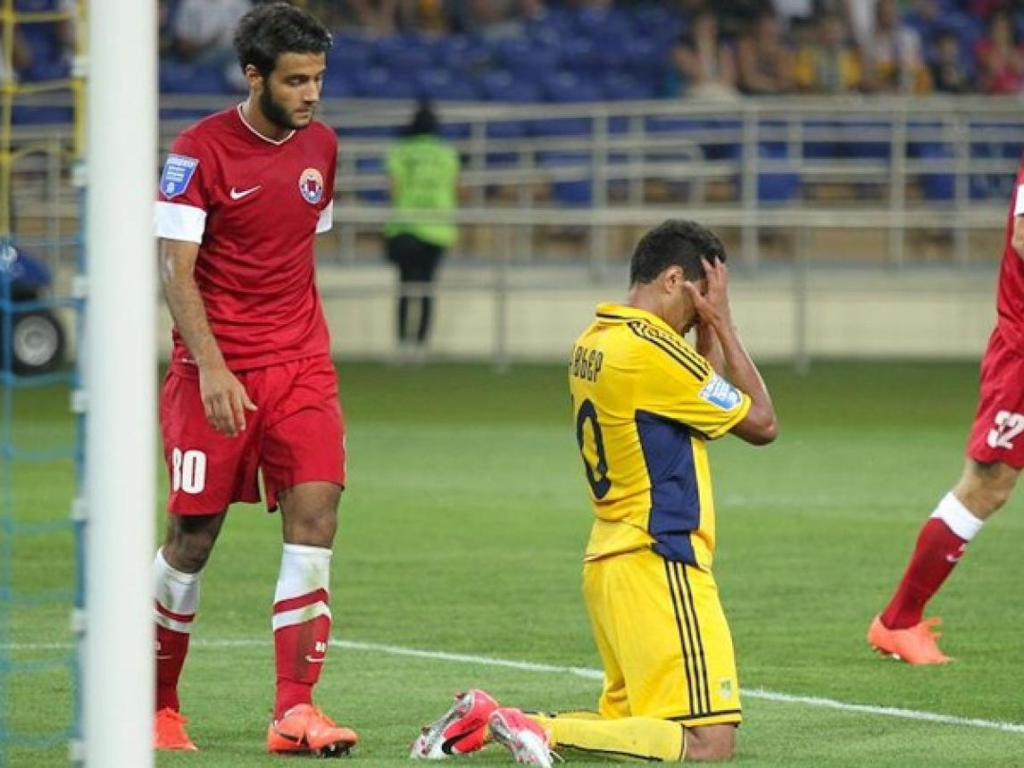
A footballer sitting alone after a match with his head down.
Image 2
A substitute watching the game from the bench.
Image 3
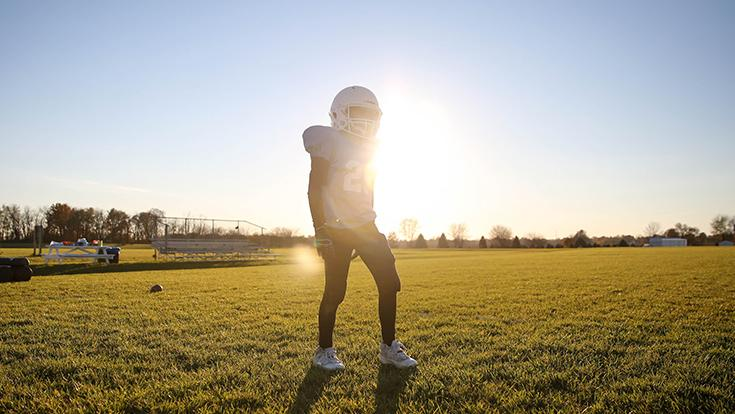
A young footballer returning after injury.
Image 4
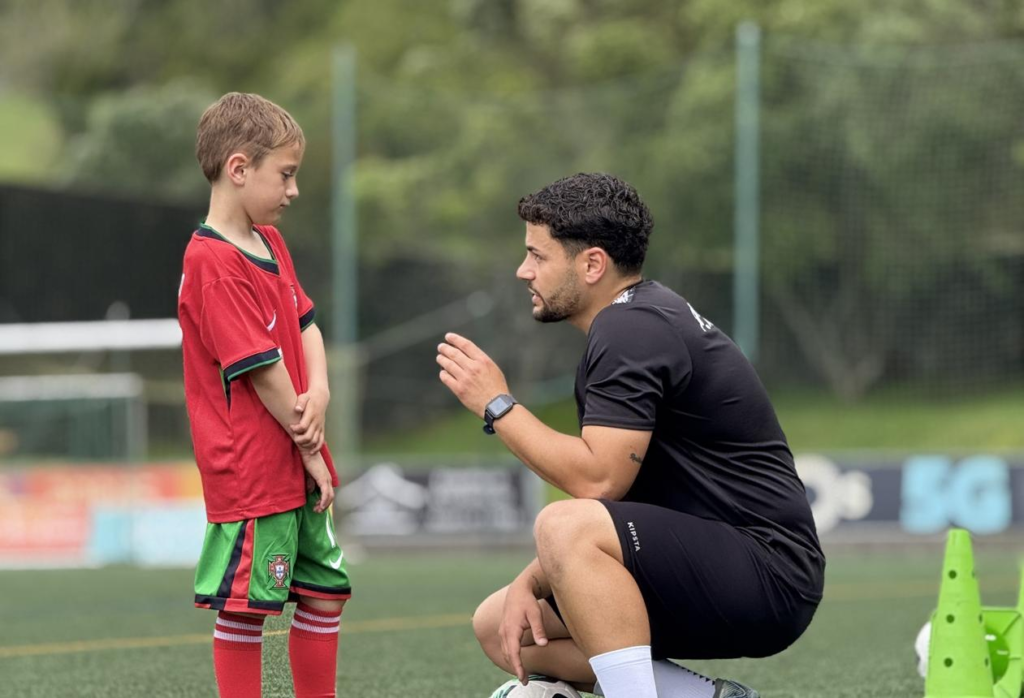
A coach encouraging a youth player during training.
⚽ How Elite Footballers Build Unshakable Confidence
🇩🇰 Kort introduktion
Nu ved du, hvorfor selvtillid kan forsvinde. I denne del ser vi på, hvordan verdens bedste spillere bygger den op igen. Du lærer de mentale rutiner, som bruges i Premier League, Champions League og de største akademier. Samtidig får du konkrete teknikker, som du selv kan bruge før træning og kamp.
Confidence Is Trained Like Any Other Football Skill
Many young players believe confidence magically appears before important matches.
Elite footballers know something different.
Confidence is trained.
Just like passing.
Just like shooting.
Just like first touch.
Professional football clubs spend thousands of hours developing technical ability, but increasingly they also spend time developing the player’s mindset.
The reason is simple.
The best technique in the world means very little if a player is too afraid to use it.
Confidence is therefore not treated as an emotion.
It is treated as a skill.
Preparation Beats Motivation
One of the biggest myths in football is that players simply need motivation.
Elite coaches rarely speak about motivation.
Instead, they talk about preparation.
Why?
Because motivation changes every day.
Preparation does not.
The world’s best footballers continue training when they feel tired.
They continue analysing matches after poor performances.
They continue improving even after winning trophies.
Preparation creates certainty.
Certainty creates confidence.
Confidence creates better performances.
The Best Players Trust Their Training
Imagine two footballers taking the same penalty.
One thinks:
“I hope I don’t miss.”
The other thinks:
“I’ve practised this thousands of times.”
Technically they may be identical.
Mentally they are worlds apart.
Elite players trust repetition.
Every quality repetition stored inside the brain becomes evidence.
Evidence builds belief.
Belief builds confidence.
This is why professional footballers repeat the same movements again and again during training.
Small Daily Wins Create Big Confidence
Confidence rarely comes from one magical moment.
It grows through hundreds of small victories.
Completing an extra passing drill.
Improving your weaker foot.
Winning one more duel.
Finishing one more sprint.
Learning one new skill.
Every improvement tells your brain:
“I’m getting better.”
Elite academies deliberately create opportunities for players to experience daily success.
Small victories eventually become enormous confidence.
Visualization – One Of Football’s Most Powerful Mental Tools
Many professional footballers mentally rehearse matches before they even arrive at the stadium.
They imagine receiving the ball.
Turning away from pressure.
Making successful passes.
Scoring goals.
Winning tackles.
Sports psychologists call this visualization.
The brain struggles to distinguish vividly imagined success from real experiences.
That is why visualization strengthens confidence before kick-off.
Many elite players spend five to ten minutes visualizing successful actions before every match.
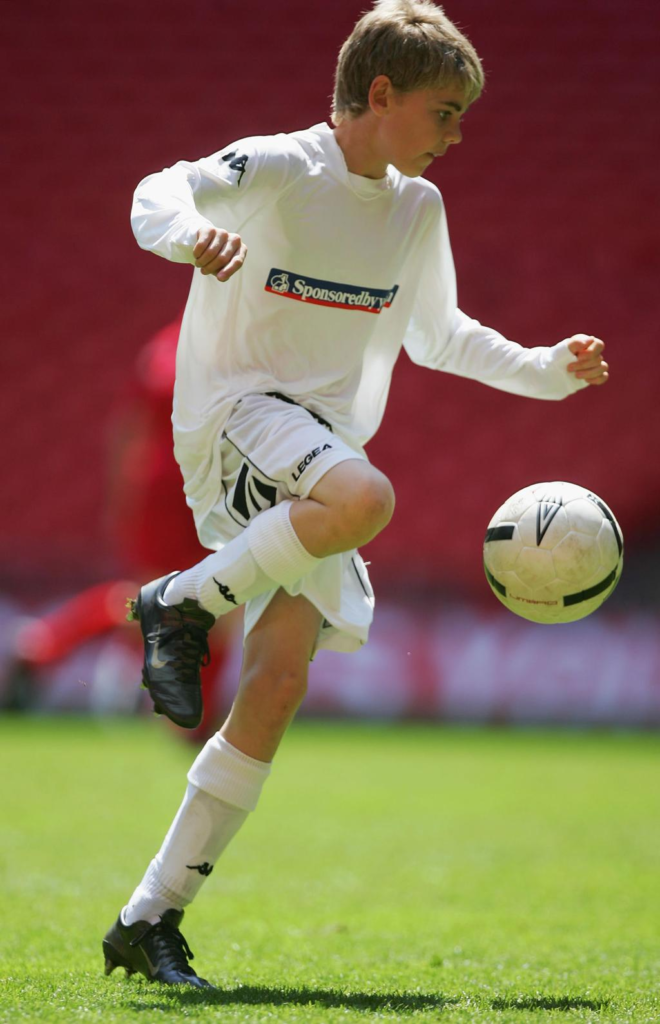
Positive Self-Talk Matters
Footballers speak to themselves constantly.
The question is…
What are they saying?
Players lacking confidence often repeat phrases like:
“I’m playing badly.”
“I’m useless.”
“I always lose the ball.”
Elite footballers replace those thoughts with constructive instructions.
“Next action.”
“Stay calm.”
“Demand the ball.”
“Keep scanning.”
The conversation inside your head often determines the football you produce on the pitch.
Confidence Loves Good Habits
Professional footballers rarely rely on luck.
They build routines.
Going to bed early.
Eating well.
Recovering properly.
Watching match clips.
Analysing opponents.
Training consistently.
Every positive habit sends another message to the brain:
“I am prepared.”
Prepared players usually become confident players.
Summertraning ⚽ Den Ultimative Sommertræningsguide i Fodbold (U6-U18)
⚽How Children Learn Football Differently⚽ Alle børn lærer forskelligt – Derfor virker den samme fodboldtræning ikke på alle børn
🎥 Recommended YouTube Videos
Visualization For Athletes
https://www.youtube.com/results?search_query=visualization+for+football+players
Football Confidence Drills
https://www.youtube.com/results?search_query=football+confidence+drills
Sports Psychology Explained
https://www.youtube.com/results?search_query=sports+psychology+football
Elite Football Mindset
https://www.youtube.com/results?search_query=elite+football+mindset
How Professionals Prepare Before Matches
https://www.youtube.com/results?search_query=football+pre+match+routine

⚽ Part 3 – The Confidence Habits of Football’s Greatest Players
🇩🇰 Kort introduktion
Selvtillid kommer ikke af held. Den bliver opbygget gennem tusindvis af timer med træning, gode vaner og den rigtige mentale tilgang. I denne del ser vi nærmere på, hvordan nogle af verdens bedste fodboldspillere arbejder med deres selvtillid, og hvad almindelige spillere kan lære af dem.
Lionel Messi – Quiet Confidence
When people think about confidence, they often imagine loud celebrations and emotional speeches.
Lionel Messi has always shown something different.
His confidence comes from preparation.
He rarely shouts.
He rarely celebrates wildly before achieving something.
Instead, he trusts his football.
Messi continues demanding the ball, even after losing it several times.
That mindset separates elite players from everyone else.
Confidence is not proving yourself to others.
It is trusting yourself.
Cristiano Ronaldo – Confidence Through Preparation
Cristiano Ronaldo is perhaps the perfect example of confidence built through work.
His mentality has never relied on natural talent alone.
Every extra gym session…
Every finishing drill…
Every sprint…
Every recovery session…
Every detail creates another piece of evidence that he belongs among the best.
When Ronaldo steps onto the pitch, he believes in himself because he knows how much work he has invested.
Preparation removes doubt.
🐐 Cristiano Ronaldo: Selvtræningens Konge – Sådan Træner Du Som Verdens Bedste
Erling Haaland – Forget The Last Chance
One of Haaland’s greatest strengths is his short memory.
He might miss two clear chances.
He still believes the third opportunity will become a goal.
Many young strikers stop making runs after missing.
Elite strikers keep moving.
The next chance is always the most important one.
Football rewards persistence.
The goal master⚽ ERLING HAALAND – HISTORIEN OM FODBOLDENS MEST FRYGTEDE MÅLMASKINE (DEL 1)
Jude Bellingham – Playing Without Fear
Despite his young age, Jude Bellingham often plays with extraordinary confidence.
He demands possession.
He takes responsibility.
He attempts difficult passes.
He plays forward whenever possible.
His mentality reflects something many elite academies teach:
Mistakes are acceptable.
Fear is not.
Young players develop much faster when they are encouraged to solve problems rather than avoid them.
Kevin De Bruyne – Trust Simple Football
Kevin De Bruyne is known for spectacular assists.
Yet much of his confidence comes from doing simple things exceptionally well.
Receiving with the correct body shape.
Scanning before every touch.
Playing quickly.
Repeating good habits.
Great confidence is often built through mastering football’s basics.
v⚽ Kevin De Bruyne – Den Ultimative Guide til Verdens Bedste Playmaker
The Common Habit Shared By Every Great Player
Different personalities.
Different countries.
Different playing styles.
Yet almost every world-class footballer shares one important habit.
They never stop learning.
After victories…
They analyse.
After defeats…
They analyse even more.
Elite footballers constantly search for improvement.
Confidence grows because improvement never stops.
What Elite Academies Teach Young Players
The world’s best academies understand something very important.
Confidence cannot depend on results.
Young players should not feel brilliant after every win…
Or terrible after every defeat.
Instead, coaches praise behaviours.
Scanning.
Communication.
Decision making.
Courage.
Effort.
Learning.
These are controllable.
Results are not always controllable.
That philosophy produces mentally stronger footballers.
Seven Daily Confidence Habits
Here are seven simple habits used by many elite players.
1. Scan before receiving every pass.
2. Focus on the next action—not the previous mistake.
3. Train your weaker foot every day.
4. Watch five minutes of your own football.
5. Visualize successful actions before sleeping.
6. Speak positively to yourself during training.
7. Finish every session with success instead of frustration.
Small habits repeated consistently create enormous confidence over time.
Continue Learning With Finter
Explore more football guides to improve every aspect of your game.
⚽ Welcome To Finter
⚽ The Complete Guide To Football Awareness And Scanning SCANNING/OVERBLIK I FODBOLD
⚽ Summer Football Training Guide ⚽ Den Ultimative Sommertræningsguide i Fodbold (U6-U18)
⚽ How Children Learn Football Differently ⚽ Alle børn lærer forskelligt – Derfor virker den samme fodboldtræning ikke på alle børn
⚽ Why Street Football Created The World’s Best Footballers ⚽ 10 vilde gadefodbold tricks (med sikre videoer og tydelige forklaringer)
🎥 Recommended YouTube Videos
Lionel Messi Mentality
https://www.youtube.com/results?search_query=Lionel+Messi+mindset
Cristiano Ronaldo Motivation
https://www.youtube.com/results?search_query=Cristiano+Ronaldo+mentality
Erling Haaland Mentality
https://www.youtube.com/results?search_query=Erling+Haaland+mindset
Jude Bellingham Skills & Mentality
https://www.youtube.com/results?search_query=Jude+Bellingham+mindset
Kevin De Bruyne Vision
https://www.youtube.com/results?search_query=Kevin+De+Bruyne+vision
⚽ Part 4 – Practical Confidence Training: 15 Exercises Used by Elite Coaches
🇩🇰 Kort introduktion
Nu ved du, hvorfor selvtillid er afgørende, og hvordan verdens bedste spillere arbejder med den. I denne del får du konkrete træningsøvelser, som bruges i mange professionelle klubber og akademier. Øvelserne kan bruges af både spillere, trænere og forældre og kræver ofte kun en bold og lidt plads.
Confidence Is Built During Training — Not During Matches
Many footballers expect confidence to appear on match day.
Professional coaches know better.
Confidence is earned long before kick-off.
Every successful repetition creates another positive memory inside the brain.
Eventually those memories become belief.
That belief becomes confidence.
This is why elite academies spend thousands of repetitions on the basics.
Simple actions repeated consistently create fearless players.
Exercise 1 – The Success Warm-Up
Instead of beginning training with difficult exercises…
Start with actions every player can complete successfully.
Simple passing.
Short combinations.
Easy first touches.
The brain starts collecting positive experiences immediately.
Confidence begins before the real session has even started.
Exercise 2 – One Versus One Without Fear
Many young players avoid dribbling because they fear losing the ball.
Change the rules.
Reward every attempt.
Not every success.
If a player attacks five defenders and loses the ball five times…
Praise the courage.
Eventually the technique will improve.
Fear disappears first.
Exercise 3 – First Touch Challenge
Confidence often starts with receiving the ball well.
Set up a simple exercise.
Players receive from different angles.
Open their body.
Play forward.
Repeat hundreds of times.
Confidence grows because receiving becomes automatic.
Exercise 4 – The Five Positive Actions Rule
After every training session…
Ask each player to write down five things they did well.
Not one.
Five.
This forces the brain to notice success instead of mistakes.
Over time this changes how players evaluate themselves.
Exercise 5 – The Next Ball Mindset
Professional coaches often use one simple phrase.
“Next ball.”
Lose possession?
Next ball.
Miss a chance?
Next ball.
Poor pass?
Next ball.
Football moves too quickly to stay inside the previous mistake.
Elite players recover mentally faster than everyone else.
Exercise 6 – Finish Every Session Successfully
Never allow training to finish with frustration.
End with something players enjoy.
Crossbar challenge.
Penalty competition.
Small-sided games.
Fun finishing drills.
Players leave the pitch remembering success.
Their brains associate football with confidence rather than anxiety.
Exercise 7 – Weak Foot Wednesdays
One day every week…
Use the weaker foot as much as possible.
Passing.
Receiving.
Shooting.
Dribbling.
The goal is not perfection.
The goal is removing fear.
Confidence grows when players stop avoiding weaknesses.
Exercise 8 – Play Without Coaching
Sometimes coaches talk too much.
Allow players to solve problems themselves.
No instructions.
No stopping play.
No constant corrections.
Decision-making improves because players begin trusting themselves.
Confidence follows.
Exercise 9 – Scanning Competition
Before every pass…
Players must scan twice.
Award points for good scanning rather than goals.
Football intelligence creates confidence.
Players who understand the game rarely panic.
Exercise 10 – Pressure Games
Create tight spaces.
Limited touches.
Quick transitions.
Constant movement.
Players gradually become comfortable under pressure.
Confidence is built by repeatedly solving difficult situations.
Exercise 11 – Individual Ball Mastery
Ten minutes every day.
No excuses.
Ball juggling.
Foundation touches.
Inside-outside touches.
Pull-pushes.
Sole rolls.
Simple repetition creates unbelievable confidence with the ball.
Exercise 12 – Positive Video Analysis
Many players only watch mistakes.
Professional analysts also highlight success.
Excellent scanning.
Great movement.
Smart positioning.
Brilliant communication.
Watching positive clips reminds players how capable they really are.
Exercise 13 – Captain For A Day
Give different players leadership responsibilities.
Organising warm-ups.
Speaking during team talks.
Leading drills.
Confidence often grows outside the football itself.
Leadership builds belief.
Exercise 14 – Play Against Better Players
Comfort zones rarely create confidence.
Challenges do.
Elite academies regularly expose young players to older and stronger opponents.
Initially confidence may drop.
Long-term confidence grows dramatically.
Exercise 15 – Smile And Enjoy Football Again
It sounds simple.
Because it is.
Players enjoying football learn faster.
Creative players make braver decisions.
Football should always remain enjoyable.
Joy and confidence are closely connected.
Continue Learning With Finter
Improve every part of your football development.
⚽ Welcome To Finter
⚽ The Biggest Football Scandals in History – The Stories That Shocked the Football World
🇧🇷 20 vanvittige brasilianske mål i fodboldhistorien (med videoer)
v⚽ What Do Football Scouts Really Look For? – The 10 Things Talent Scouts Notice Before Anyone Else
🎥 Recommended YouTube Videos
Elite Football Training
https://www.youtube.com/results?search_query=elite+football+training
Football Confidence Drills
https://www.youtube.com/results?search_query=football+confidence+drills
Scanning In Football
https://www.youtube.com/results?search_query=football+scanning+drills
Small-Sided Games
https://www.youtube.com/results?search_query=football+small+sided+games
Individual Football Training
https://www.youtube.com/results?search_query=individual+football+training

⚽ How Parents and Coaches Build (or Destroy) a Footballer’s Confidence
🇩🇰 Kort introduktion
Teknik og fysik er vigtige, men miljøet omkring en spiller betyder ofte endnu mere. I denne del ser vi på, hvordan trænere og forældre kan være den største hjælp – eller den største hindring – for en spillers selvtillid. Du lærer, hvorfor Europas bedste akademier fokuserer på læring frem for resultater, og hvilke fejl mange voksne begår uden at være klar over det.
A Footballer’s Confidence Is Built Every Day
Confidence is not built only during matches.
It is built in conversations.
During training.
Inside the car on the way home.
During family dinners.
Inside the dressing room.
Every interaction sends a message to the player.
“You are improving.”
Or…
“You are never good enough.”
The words adults choose matter far more than they often realise.
The Most Powerful Coach Is Not Always The Loudest
Some coaches believe confidence comes from shouting.
Research and experience suggest the opposite.
The best coaches remain demanding.
But they are also calm.
They correct mistakes without attacking the player.
Instead of saying…
“That was terrible.”
They ask…
“What did you see?”
“What other option did you have?”
“What could you try next time?”
Questions develop football intelligence.
Constant criticism creates fear.
Why Fear Stops Development
Imagine two young footballers.
The first player fears making mistakes.
The second player is encouraged to experiment.
After one season…
Who develops faster?
Almost always the second player.
Football rewards courage.
Creativity cannot exist where fear dominates.
That is why elite academies encourage brave decisions—even when they fail.
The Car Ride Home
Sports psychologists often describe the journey home after a match as one of the most important moments in youth football.
Many children already know when they have played badly.
They do not need another lecture.
Sometimes the best conversation sounds like this:
“I loved watching you play.”
“Did you enjoy yourself?”
“What was your favourite moment today?”
Simple questions reduce pressure.
Players who enjoy football usually stay in football.
Parents Should Praise Effort, Not Talent
One sentence can completely change a child’s mindset.
Instead of saying:
“You’re so talented.”
Try saying:
“I loved how hard you worked today.”
Talent feels fixed.
Effort feels controllable.
Players who believe improvement comes through effort usually become more resilient.
Comparing Players Is Dangerous
Football is full of comparisons.
“Your teammate is better.”
“Your brother was better.”
“Look at that academy player.”
These comparisons rarely motivate.
Instead they create insecurity.
Every footballer develops at a different speed.
Some professionals were physically small until sixteen.
Others matured early.
Development is never a straight line.
The Best Coaches Praise Brave Decisions
Imagine two players.
Player A plays safe all game.
Player B attempts difficult passes and loses possession several times.
Who learned more?
Usually Player B.
Elite academies understand that brave mistakes often lead to future success.
Young footballers must learn to solve problems—not avoid them.
Winning Is Not The Goal
This may sound surprising.
Many of Europe’s biggest academies place development above winning in younger age groups.
Why?
Because winning at twelve means very little if players stop improving at sixteen.
The objective is producing better footballers.
Not collecting youth trophies.
Long-term development always beats short-term success.
Confidence And Leadership Grow Together
Giving young players responsibility creates confidence.
Leading the warm-up.
Organising equipment.
Helping younger teammates.
Speaking before training.
Leadership teaches players that they have value beyond their football ability.
That belief often appears later during matches.
Mistakes Are Evidence Of Learning
Players who never make mistakes are usually avoiding challenges.
Players improving quickly make mistakes constantly.
Every failed dribble…
Every misplaced pass…
Every unsuccessful through ball…
Provides valuable information.
Elite players understand this.
Mistakes are not proof of failure.
They are proof that learning is taking place.
Continue Learning With Finter
Discover more articles designed to help footballers, coaches and parents.
⚽ Welcome To Finter
v⚽ Insane Promotion Drama: Rochdale & York City – Last-Minute Goals That Changed Everything!
Jamie Vardy – fra non-league kaos til Premier League-legende ⚽🔥
⚽ Harry Kane – The Incredible Story of England’s Greatest Goalscorer
Steven Gerrard – The Liverpool Legend Who Never Gave Up ⚽❤️
⚽ De 25 Bedste Fodboldtricks for Børn – Lær Finter, Driblinger, Skills og Boldkontrol Som Stjernerne
🎥 Recommended YouTube Videos
Positive Coaching In Football
https://www.youtube.com/results?search_query=positive+football+coaching
Youth Football Psychology
https://www.youtube.com/results?search_query=youth+football+psychology
How Elite Academies Coach Players
https://www.youtube.com/results?search_query=elite+football+academy+training
Building Confidence In Young Footballers
https://www.youtube.com/results?search_query=building+confidence+young+footballers
Sports Parenting Advice
https://www.youtube.com/results?search_query=sports+parenting+football
⚽ Part 6 – The Science of Confidence, Your 30-Day Confidence Plan & Complete FAQ
🇩🇰 Kort introduktion
I den sidste del samler vi hele artiklen. Du lærer, hvad forskningen siger om selvtillid i sport, hvorfor hjernen reagerer, som den gør under pres, og hvordan du kan opbygge varig selvtillid gennem en enkel 30-dages plan. Til sidst finder du svar på de mest stillede spørgsmål og en komplet SEO-optimeret afslutning.
Confidence Is A Skill That Never Stops Growing
Many footballers believe confidence is something you either have or you don’t.
Modern sports psychology disagrees.
Confidence is built.
Lost.
Rebuilt.
Strengthened.
It changes throughout an entire career.
The players who reach the highest level are not those who never lose confidence.
They are the players who learn how to rebuild it faster than everyone else.
That ability separates good footballers from elite footballers.
The Confidence Cycle
Sports psychologists often describe confidence as a cycle.
Preparation creates belief.
Belief creates confidence.
Confidence improves decision making.
Better decisions improve performances.
Good performances increase confidence.
The cycle then repeats.
Unfortunately…
The opposite cycle also exists.
Poor preparation creates doubt.
Doubt causes hesitation.
Hesitation creates mistakes.
Mistakes reduce confidence.
Low confidence creates even more mistakes.
Understanding this cycle allows players to interrupt it before it becomes a serious problem.
Your Pre-Match Confidence Routine
Elite players rarely arrive at the stadium without a routine.
A simple routine might look like this.
The Night Before
Prepare your boots.
Prepare your kit.
Eat well.
Sleep early.
Watch a few clips of your best performances.
Visualize success.
Two Hours Before Kick-Off
Eat a familiar meal.
Hydrate properly.
Avoid scrolling through social media.
Listen to music that relaxes or motivates you.
During The Warm-Up
Communicate positively.
Scan constantly.
Focus on simple passes.
Build rhythm.
Smile.
Remind yourself that you are prepared.
After The First Mistake
Move.
Communicate.
Demand the ball again.
Forget the previous action.
Focus entirely on the next one.
This is exactly what elite footballers do.

A 30-Day Confidence Challenge
Week One
Practice every day.
No excuses.
Even fifteen minutes matters.
Week Two
Record one training session.
Watch only positive actions.
Write down five things you did well.
Week Three
Attempt more difficult actions.
Play forward.
Take more risks.
Accept mistakes.
Week Four
Review your progress.
Notice improvements.
Set new goals.
Repeat the process.
Confidence grows through consistency—not perfection.
The Biggest Confidence Myths
Myth 1
Only talented players are confident.
Reality:
Preparation creates confidence.
Myth 2
Goals create confidence.
Reality:
Good preparation usually comes first.
Myth 3
Confident players never feel nervous.
Reality:
Almost every professional feels nervous.
They simply perform despite those emotions.
Myth 4
Mistakes destroy confidence.
Reality:
Ignoring mistakes destroys confidence.
Learning from them builds it.
Myth 5
Confidence cannot be trained.
Reality:
Every elite academy now develops players mentally as well as technically.

Frequently Asked Questions
How long does it take to rebuild confidence?
Every player is different.
Sometimes confidence returns after one excellent performance.
Sometimes it takes several weeks of consistent work.
Can confidence be trained?
Absolutely.
Daily habits, preparation, visualization and positive coaching all improve confidence.
Why do professionals still lose confidence?
Because they are human.
Pressure exists at every level of football.
What helps confidence the most?
Consistent preparation.
Quality repetitions.
Supportive coaching.
Positive habits.
Learning from mistakes.
Does confidence affect technique?
Yes.
The same player often performs very differently depending on confidence levels.
Final Thoughts
Football will always test your confidence.
Every player experiences difficult moments.
Every player makes mistakes.
Every player doubts themselves.
The difference is what happens next.
Elite footballers keep asking for the ball.
They continue learning.
They trust their preparation.
They accept mistakes.
Most importantly…
They never stop believing they can improve.
That is the mindset every footballer should develop.
Confidence is not about believing you will never fail.
Confidence is believing you will recover every single time you do.
Continue Learning With Finter
Your football journey never stops.
Discover hundreds of expert football articles on Finter.
🌍 Front Page
⚽ Welcome To Finter
Parents in Youth Football – When Support Turns Into Pressure ⚽
Women’s football growth is accelerating globally
Andy Robertson – PRES, PASSION & POWER 🔥 Den vildeste fodboldhistorie
Soccer videos: https://finter.dk/fodboldvideoer
🔥 Wrexham AFC – Hollywood, Mirakler og Den Vildeste Fodboldrejse Nogensinde 🔥
v🇺🇸 MLS – Drømmen, Dollars & De Vilde Historier