
🇩🇰 Lær at se spillet før alle andre
De bedste fodboldspillere er ikke nødvendigvis de hurtigste eller de stærkeste. Det, der ofte adskiller verdensstjerner fra resten, er deres evne til at se spillet, før det sker.
Denne komplette guide viser dig, hvorfor verdens bedste spillere konstant scanner banen, hvordan du selv kan lære det, og hvilke øvelser der udvikler dit Football IQ, din spilforståelse og dine beslutninger.
På Finter.dk finder du også hundredevis af gratis artikler om teknik, driblinger, førsteberøringer, afslutninger, spilforståelse og træningsøvelser, som hjælper spillere på alle niveauer.
🇩🇰 på engelsk for at hjælpe endnu flere fodboldspillere, trænere og forældre verden over. Finter udgiver både danske og engelske guides, så endnu flere kan få glæde af vores viden om talentudvikling, træning og fodbold.
🇬🇧 Welcome to Finter – Your Home for Football Development
Before you dive into this guide, we’d like to welcome you to Finter – your home for football development.
Finter is dedicated to helping football players, coaches, parents and clubs improve every aspect of the beautiful game. Whether you’re taking your first steps in football or chasing your dream of becoming a professional player, you’ll find practical advice, expert analysis and proven training methods to help you improve every day.
Our growing library features hundreds of in-depth football articles covering technical skills, football intelligence, scanning, tactics, finishing, dribbling, academy football, coaching and player development.
Whether you’re a player, coach or football parent, Finter is here to inspire, educate and help you reach the next level.
🌍 Explore hundreds of football guides, player analyses and coaching resources:
Now, let’s dive into today’s gui

🇬🇧 Become Smarter Before You Become Faster
Football isn’t only about speed, strength or technique.
The world’s greatest footballers often make the game look easy because they already know what they will do before the ball even reaches them.
This complete guide explains how football scanning works, why elite players constantly check their surroundings, and how you can dramatically improve your awareness, vision, first touch and decision-making through the same methods used in professional academies.
Whether you’re a young player, coach or parent, this is one of the most important football skills you can ever learn.
Why Football Scanning Is One of the Most Important Skills in Modern Football
Imagine receiving the ball…
You already know:
- where the nearest defender is
- where your teammates are moving
- where the free space will appear
- whether to pass, dribble or shoot
- how much time you have
Now imagine receiving the ball without knowing any of this.
That difference is often the difference between an average player and an elite one.
Elite footballers don’t react faster because they have quicker legs.
They react faster because their brain has already processed the next situation before the ball arrives.
What Is Football Scanning?
Football scanning simply means:
Looking away from the ball to collect information before receiving possession.
Every glance gives the brain valuable information about:
- teammates
- opponents
- available space
- pressure
- passing lanes
- defensive shape
- attacking opportunities
Every scan updates your “mental picture” of the pitch.
The more often you scan…
…the better your next decision becomes.
Why the Best Players Scan Constantly
Research from professional football has shown that elite midfielders often scan several times before every reception.
They are constantly asking themselves:
- Where is the pressure?
- Where is the free player?
- Can I turn?
- Should I play first time?
- Is there space behind me?
- Where will the next pass go?
This continuous information gathering allows them to play with remarkable calmness—even under intense pressure.
Football Is Becoming Faster Every Year
Modern football is evolving rapidly.
Teams press higher.
Defenders close space quicker.
Transitions happen faster.
That means players have less time than ever to think after receiving the ball.
Instead, elite players think before they receive it.
This is why scanning has become one of the biggest priorities in academies around the world.
Why Scanning Creates More Time on the Ball
People often say:
“Kevin De Bruyne always seems to have so much time.”
“Messi never gets surprised.”
“Xavi was never under pressure.”
The truth is different.
They had exactly the same amount of time as everyone else.
They simply used the seconds before receiving the ball to prepare their next action.
The ball wasn’t moving slower.
Their decision was already made.
That tiny advantage changes everything.
What Happens Inside the Brain?
Every time you scan, your brain gathers new information.
It begins predicting:
- player movement
- opponent reactions
- passing angles
- open spaces
- future opportunities
Instead of reacting…
…you begin anticipating.
That is exactly what separates intelligent footballers from reactive footballers.
Football IQ Starts With Your Eyes
Many young players believe Football IQ is something you’re born with.
It isn’t.
Football intelligence is a skill.
Like dribbling.
Like passing.
Like finishing.
The first step toward improving Football IQ is learning to look away from the ball more often.
Great vision begins with great scanning.
🧠 Fodbold IQ: Derfor ser nogle spillere spillet hurtigere end andre
The World’s Best Players All Have One Thing in Common
Different positions.
Different countries.
Different styles.
But nearly every world-class player shares one habit:
They constantly check their surroundings.
Whether you watch:
- Lionel Messi ⚽ Lionel Messi til VM 2026: Hattrick, 6 VM-slutrunder og 16 VM-mål – er Messi den største VM-spiller nogensinde?
- Kevin De BruyneLionel Messi: Historien om verdens bedste fodboldspiller – rekorder, VM-triumf, Barcelona, Argentina og de vildeste historier
- Luka Modrić
- Martin Ødegaard
- Xavi
- Andrés Iniesta
- Rodri
- Jude Bellingham
…you’ll notice one thing immediately.
Their heads never stop moving.
They gather information before almost every touch.
That habit alone makes them appear calmer, quicker and smarter than almost everyone else.
🎥 Recommended YouTube Videos
- Football Scanning Explained
https://www.youtube.com/results?search_query=football+scanning - Improve Football Awareness
https://www.youtube.com/results?search_query=football+awareness - Kevin De Bruyne Vision Compilation
https://www.youtube.com/results?search_query=Kevin+De+Bruyne+vision - Xavi Scanning Analysis
https://www.youtube.com/results?search_query=Xavi+scanning - Football IQ Explained
https://www.youtube.com/results?search_query=football+IQ
⚽ Part 2 – The World’s Greatest Scanners: What Makes Elite Players See the Game Differently?
One of the biggest myths in football is that elite players simply have more talent.
In reality, many of the world’s greatest footballers built their success on one habit:
They constantly gathered information before receiving the ball.
Instead of reacting…
…they predicted.
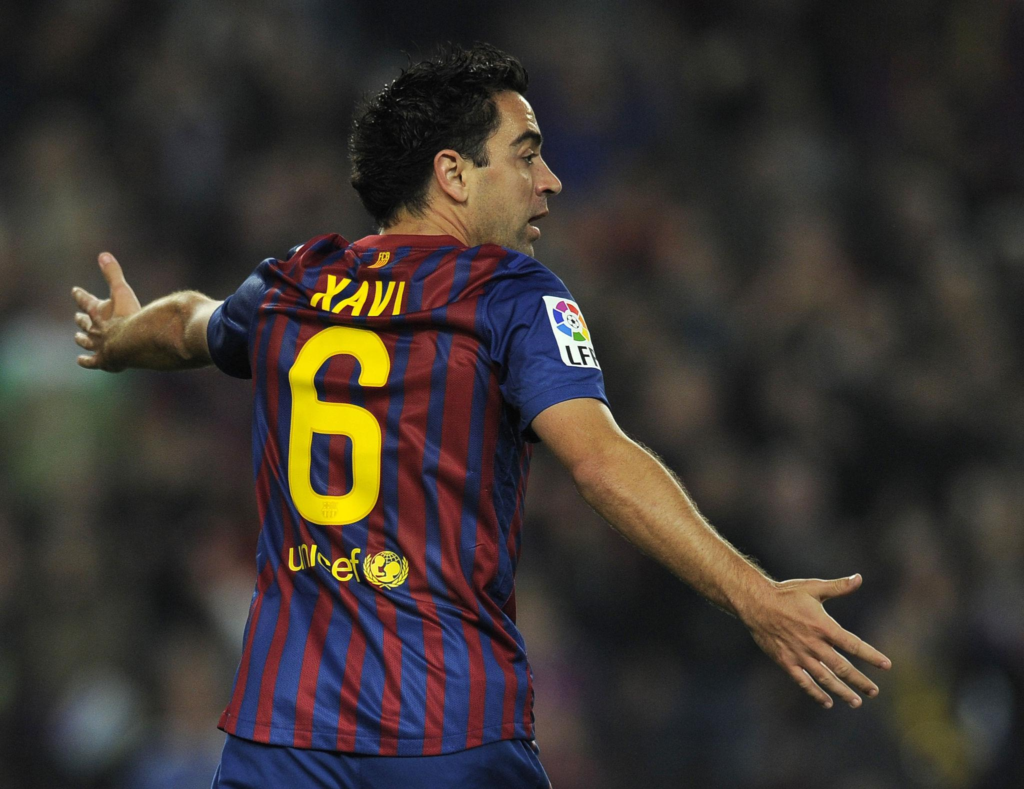
Xavi – The King of Scanning
Few players in football history have controlled a match like Xavi.
He rarely sprinted.
He rarely dribbled five defenders.
Yet he dominated games for over 15 years.
Why?
Because before the ball even arrived…
he already knew where it would go next.
Studies analysing his matches have shown that Xavi constantly looked over both shoulders before receiving possession.
Sometimes three…
four…
or even five scans before a single touch.
His body was always open.
His head never stopped moving.
This allowed him to play one-touch football that looked effortless.
It wasn’t magic.
It was preparation.
🎥 Watch Xavi’s Scanning
https://www.youtube.com/results?search_query=Xavi+scanning+analysis
https://www.youtube.com/results?search_query=Xavi+vision
Lionel Messi – Seeing Spaces Nobody Else Can See
Many people think Messi’s greatest weapon is dribbling.
Others believe it’s finishing.
Some say acceleration.
But coaches often point to something even more impressive:
His awareness.
Before Messi receives the ball he is already studying:
- defenders’ body positions
- teammates’ runs
- open passing lanes
- goalkeeper positioning
- space behind the defence
That is why he can dribble without appearing to look at the ball.
His brain has already built a map of the pitch.
By the time defenders react…
Messi has already made his decision.
🎥 Messi Vision
https://www.youtube.com/results?search_query=Messi+vision
https://www.youtube.com/results?search_query=Messi+football+IQ
Kevin De Bruyne – The Master of Early Decisions
Kevin De Bruyne is regarded as one of the greatest passers in football history.
His incredible assists are not created by luck.
Before receiving the ball he already knows:
- where runners will appear
- how defenders are shifting
- which passing lane is about to open
Instead of waiting for space…
he predicts where space will exist two seconds later.
That tiny difference creates world-class assists.
Elite football is often won by players who think one or two seconds ahead.
🎥 Kevin De Bruyne Vision
https://www.youtube.com/results?search_query=Kevin+De+Bruyne+vision
https://www.youtube.com/results?search_query=Kevin+De+Bruyne+passing
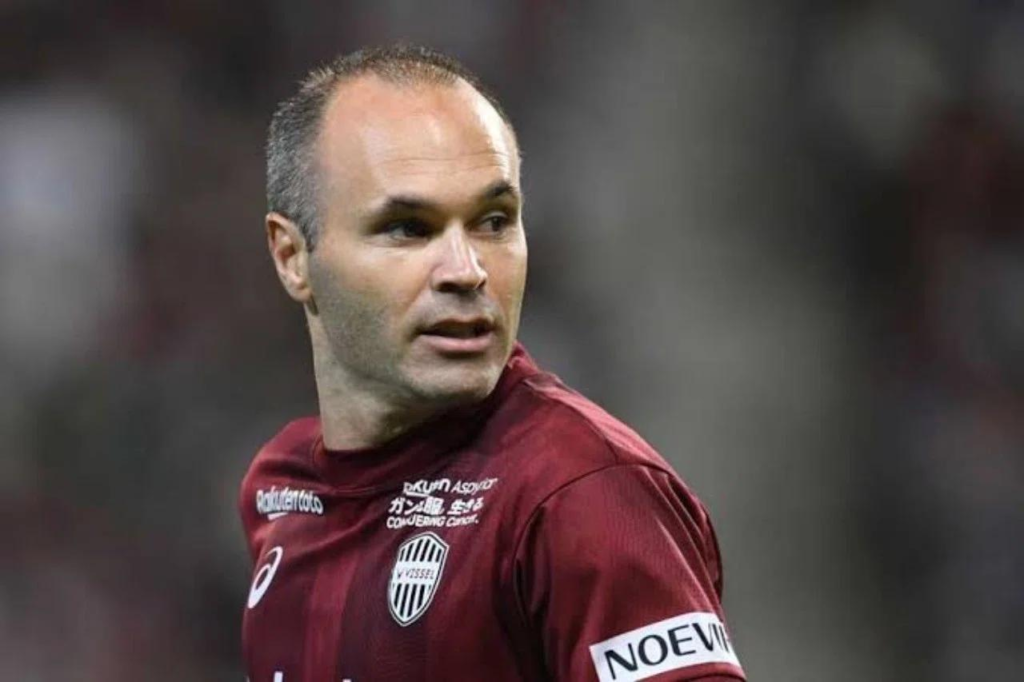
Andrés Iniesta – Calm Under Pressure
Why did Iniesta almost never lose the ball?
Because pressure never surprised him.
He had already scanned behind him.
He knew:
- who was pressing
- where space existed
- which foot to receive on
- whether to turn or protect possession
His first touch wasn’t lucky.
It was informed.
Elite first touches start before the first touch.
🎥 Iniesta Vision
https://www.youtube.com/results?search_query=Iniesta+vision
Luka Modrić – Always One Step Ahead
Modrić rarely forces difficult situations.
Instead, he constantly adjusts his position before receiving.
His scanning helps him:
- receive facing forward
- escape pressure
- change tempo
- switch play quickly
- control the rhythm of the match
He makes difficult football appear simple because his brain has already solved the problem.
🎥 Luka Modrić
https://www.youtube.com/results?search_query=Luka+Modric+vision
Martin Ødegaard – Modern Football Intelligence
Martin Ødegaard is one of today’s best examples of scanning.
Watch him for just five minutes.
His head never stops moving.
Before every reception he checks:
- left shoulder
- right shoulder
- central space
- opponent distance
These tiny habits help him play quickly even against aggressive pressing.
🎥 Martin Ødegaard
https://www.youtube.com/results?search_query=Martin+Odegaard+vision
Rodri – Why Midfielders Need Elite Awareness
Modern holding midfielders often receive the ball under maximum pressure.
Rodri solves this by scanning almost continuously.
He understands:
- where pressure starts
- where the free man is
- how opponents are pressing
- when to slow the game
- when to accelerate attacks
Scanning gives him extra time without needing extra speed.
🎥 Rodri Analysis
https://www.youtube.com/results?search_query=Rodri+tactical+analysis
What Do All Great Players Have in Common?
Despite different styles, they all share these habits:
✅ Constant shoulder checks
✅ Open body position
✅ Awareness before possession
✅ Early decision making
✅ Calm under pressure
✅ Fast first touch
✅ Playing forward whenever possible
These habits are trainable.
They are not gifts.
Every player—from beginners to professionals—can improve them with focused practice.
Why Coaches Should Teach Scanning Early
Children naturally watch the ball.
Elite players learn to watch everything else as well.
The earlier scanning becomes a habit, the easier it becomes later in a player’s development.
That is why the best academies build scanning into almost every exercise.
⚽ Part 3 – The Science Behind Football IQ: How Elite Players Think Faster Than Everyone Else
One of football’s biggest misconceptions is that quick decision-making is a natural talent.
Science says otherwise.
The brain can be trained just like passing, dribbling or shooting.
Football intelligence is developed through thousands of repetitions where players constantly observe, predict and solve problems.
The world’s greatest academies don’t only train footballers.
They train decision-makers.
Your Brain Is Your Fastest Muscle
Professional players rarely have more than one second to decide what to do.
Sometimes even less.
The brain must instantly answer questions like:
- Can I turn?
- Is someone behind me?
- Should I pass first time?
- Can I dribble?
- Is there space between the lines?
- Is my teammate making a run?
Players who hesitate lose the advantage.
Players who already know the answer before the ball arrives appear calm and composed.
Peripheral Vision – Seeing Without Looking
Elite footballers don’t only use central vision.
They also develop peripheral vision.
Peripheral vision allows players to detect movement without directly looking at it.
For example:
- a teammate making a run
- a defender closing down
- space opening on the opposite side
- another passing option
This is why great players can appear to “see everything.”
They’re not looking everywhere.
They’ve trained their awareness.
🎥 Improve Peripheral Vision
https://www.youtube.com/results?search_query=football+peripheral+vision
https://www.youtube.com/results?search_query=vision+training+football
Anticipation Beats Reaction
Average players react.
Elite players anticipate.
Imagine two midfielders.
Player A waits until the defender starts pressing.
Player B predicts the press two seconds earlier.
Player B suddenly has:
- more time
- better balance
- more passing options
- less stress
Nothing physical changed.
Only the timing of the decision.
That is why anticipation is one of football’s greatest superpowers.
Pattern Recognition
The human brain loves patterns.
Professional footballers have seen similar situations thousands of times.
Eventually they begin recognising patterns instantly.
For example:
- overlapping full-back
- striker checking short
- winger attacking space
- pressing trap
- counterattack opportunity
The more football situations you experience, the faster your brain recognises them.
That is one reason elite players make difficult decisions look effortless.
Why Watching Football Can Improve Football IQ
Many young players underestimate the value of watching matches.
Watching football actively improves tactical understanding.
Instead of following the ball, try watching:
- midfield movement
- defensive positioning
- body orientation
- scanning habits
- communication
- pressing triggers
Ask yourself:
“What would I do if I received the ball now?”
That simple habit trains your football brain.
🎥 Tactical Analysis
https://www.youtube.com/results?search_query=football+tactical+analysis
Barcelona’s Philosophy
The famous academy at FC Barcelona teaches one simple principle:
Know your next action before receiving the ball.
Players constantly perform shoulder checks.
Small rondos force players to scan continuously.
Young players quickly learn that looking around becomes automatic.
This is one reason Barcelona has produced so many intelligent midfielders.
Ajax – Creating Thinkers
Ajax coaches encourage players to solve problems instead of memorising movements.
Training often includes:
- limited touches
- positional games
- overloads
- constant scanning
- changing angles
Instead of giving answers…
coaches ask questions.
“What did you see?”
“What was your second option?”
“What could you have done earlier?”
These questions build intelligent footballers.
🎥 Ajax Training
https://www.youtube.com/results?search_query=Ajax+academy+training
Manchester City’s Training Methods
Modern positional play demands constant awareness.
Players frequently train with:
- one-touch combinations
- directional rondos
- overload games
- pressing exercises
- quick transitions
The objective isn’t only technical quality.
It’s learning to process information under pressure.
🎥 Manchester City Training
https://www.youtube.com/results?search_query=Manchester+City+training+rondo
Common Mistakes That Reduce Football Awareness
Many players unknowingly stop themselves from improving.
Typical mistakes include:
❌ Watching only the ball
❌ Looking down while dribbling
❌ Standing square instead of sideways
❌ Receiving without scanning
❌ Waiting too long to decide
❌ Panicking under pressure
❌ Ignoring movement away from the ball
Every one of these habits can be improved through deliberate training.
Five Simple Habits to Build Football IQ
Start doing these today:
✅ Check both shoulders before receiving.
✅ Scan every three to five seconds.
✅ Open your body before the ball arrives.
✅ Think about your next pass early.
✅ Constantly ask yourself:
“What will happen next?”
These habits become automatic with repetition.
Over time, you’ll begin to feel like the game has slowed down—even though it hasn’t.
🧠 Fodbold IQ: Derfor ser nogle spillere spillet hurtigere end andre
⚽ Part 4 – The Complete Football Scanning Training Programme (U6–Senior)
The good news about football scanning is simple:
It can be trained.
Unlike height or natural speed, awareness improves through repetition and good coaching.
The earlier players develop scanning habits, the greater the long-term benefit.
This is why the world’s leading academies introduce awareness training from the youngest age groups.
U6–U8 (6–8 Years Old)
Main Objective
Develop the habit of looking around before touching the ball.
Children at this age naturally focus only on the football.
Instead of correcting every mistake, encourage curiosity.
Ask questions like:
- What colour cone is behind you?
- Where is your teammate?
- Which goal is free?
- Can you find the player wearing blue?
The goal isn’t perfection.
The goal is building awareness.
Recommended Exercises
Colour Call
Players dribble freely.
The coach calls:
- Blue
- Red
- Yellow
- Green
Players must quickly look up and identify the correct cone before continuing.
This teaches lifting the head while controlling the ball.
Number Gates
Place numbered gates around the area.
Before receiving the pass, the coach shouts a number.
Players scan, find the gate and dribble through it.
This combines:
- scanning
- first touch
- awareness
- quick decisions
🎥 Youth Scanning Drills
https://www.youtube.com/results?search_query=football+scanning+drills+kids
U9–U12 (9–12 Years)
Players can now begin scanning before every reception.
Introduce:
✅ Shoulder checks
✅ Open body position
✅ Playing forward
✅ Receiving on the back foot
Good habits created here often stay for life.
Exercise – Check Both Shoulders
Coach passes.
Before every reception players must:
- Look left.
- Look right.
- Receive.
- Play forward.
Soon this becomes automatic.
Exercise – Three Options
Player receives.
Three teammates move.
Only one becomes free.
The receiving player must identify the correct option before the ball arrives.
This develops:
- observation
- anticipation
- decision making
🎥 Awareness Training
https://www.youtube.com/results?search_query=football+awareness+training
U13–U15 (13–15 Years)
This is often the biggest development stage.
Football becomes faster.
Pressure increases.
Players now need scanning every few seconds.
Introduce:
- positional play
- rondos
- overloads
- transition games
- limited touches
Everything should encourage constant information gathering.
Exercise – Directional Rondo
6 vs 2
Players score by finding the target player.
Restrictions:
Maximum two touches.
Every player must scan before receiving.
Fast ball movement forces quick decisions.
Exercise – Pressure From Behind
Player receives with defender approaching from behind.
Without scanning first…
they lose possession.
After several repetitions players naturally begin checking over both shoulders.
🎥 Rondo Training
https://www.youtube.com/results?search_query=football+rondo+training
U16–Senior
Scanning should now become completely automatic.
Every player should already know:
- first option
- second option
- escape route
- pressure direction
before receiving possession.
Elite football is often decided in these tiny moments.
Home Training Without Teammates
Many players believe awareness requires a full team.
It doesn’t.
You can train scanning almost anywhere.
Wall Passing Challenge
Stand five metres from a wall.
Before every pass:
Look over one shoulder.
Pass.
Receive.
Look over the opposite shoulder.
Repeat.
This simple habit builds automatic scanning.
Tennis Ball Reaction Drill
Bounce a tennis ball against a wall.
While waiting for the rebound:
Look away briefly.
Locate an object.
Catch the ball.
This improves:
- peripheral vision
- reaction speed
- concentration
Mirror Drill
Stand in front of a mirror.
Imagine receiving a pass.
Practise:
- scanning left
- scanning right
- opening body
- first touch
It feels strange.
But repetition creates automatic movement.
Multi-Ball Awareness Drill
Scatter different coloured balls around the room.
A partner calls a colour while you dribble another ball.
You must instantly locate the correct colour.
This improves visual processing speed.
The Best Small-Sided Games
Small-sided games naturally force scanning.
Examples include:
3v3
4v4
5v5
Rondos
Positional games
Because players receive the ball more often than in 11v11, they gain far more opportunities to develop awareness.
More touches.
More scans.
More decisions.
More learning.
Coaching Tips
Instead of shouting instructions every second…
ask questions.
Examples:
“What did you see?”
“Where was the free player?”
“What was your second option?”
“When did you scan?”
Players who discover answers themselves learn much faster.
The 10-Second Rule
Challenge players to scan at least once every ten seconds—even when they don’t have the ball.
Eventually they stop thinking about it.
It becomes a habit.
And habits create elite footballers.
⚽ Part 5 – Position-Specific Scanning: How Every Player Can Improve Football IQ
Scanning isn’t identical for every position.
A goalkeeper scans differently from a striker.
A winger looks for different information than a central midfielder.
Elite players understand exactly what information matters most in their role.
Goalkeepers – The Best Organisers on the Pitch
Modern goalkeepers do far more than stop shots.
Before receiving a back pass they should already know:
- Where is the nearest striker?
- Which centre-back is free?
- Can I play forward?
- Is the full-back available?
- Can I switch play?
The world’s best goalkeepers constantly move their heads before the ball arrives.
They are already planning the next phase of possession.
Goalkeeper Training Tip
Every back pass should begin with:
✅ Scan left
✅ Scan right
✅ Open body
✅ Play forward whenever possible
🎥 Goalkeeper Vision
https://www.youtube.com/results?search_query=goalkeeper+distribution+training
Centre Backs – Build The Attack
Great defenders rarely panic.
Before receiving they should identify:
- pressing striker
- supporting midfielder
- open full-back
- switch of play
- forward passing lane
Instead of simply clearing the ball…
elite defenders create attacks.
Professional Habit
The best defenders often scan:
Three or four times
before receiving a single pass.
🎥 Defender Awareness
https://www.youtube.com/results?search_query=football+centre+back+analysis
Full Backs – Looking Forward Early
Modern full-backs are almost midfielders.
Before controlling possession they should already know:
- Is my winger free?
- Can I overlap?
- Can I play inside?
- Is there space behind the opponent?
Quick scanning allows immediate forward play instead of safe sideways passes.
Defensive Midfielders – The Hardest Position
Many coaches believe defensive midfield is the most demanding role mentally.
Why?
Because pressure arrives from every direction.
Players must constantly check:
- both shoulders
- passing lanes
- opponents
- runners
- free space
Elite defensive midfielders almost never stop scanning.
Watch Rodri
Notice how often he checks behind himself before receiving.
Sometimes three or four scans within only a few seconds.
That habit explains why he rarely loses possession.
🎥 Rodri Analysis
https://www.youtube.com/results?search_query=Rodri+analysis
Central Midfielders – The Brain of the Team
This position demands the highest football IQ.
Before every reception ask yourself:
Can I turn?
Can I play forward?
Can I play first time?
Should I slow the game?
Can I accelerate the attack?
The answers must already exist before the ball arrives.
Elite Midfielder Checklist
✔ Scan both shoulders.
✔ Open body.
✔ Receive on back foot.
✔ First touch away from pressure.
✔ Play forward whenever possible.
🎥 Midfield Intelligence
https://www.youtube.com/results?search_query=midfielder+football+IQ
Wingers – Looking Beyond the Full-Back
Many young wingers only watch their direct opponent.
Elite wide players also scan:
- overlapping full-back
- arriving midfielder
- far-post run
- defensive line
- goalkeeper position
This creates:
Better crosses.
Better cut-backs.
Better finishing opportunities.
Before Every Dribble
Ask yourself:
Is someone overlapping?
Can I attack inside?
Is the defender isolated?
Where is the goalkeeper standing?
Elite dribblers already know these answers.
🎥 Winger Analysis
https://www.youtube.com/results?search_query=winger+analysis
Strikers – The Masters of Timing
Goals rarely happen by accident.
Great strikers constantly scan:
- centre-backs
- offside line
- goalkeeper
- incoming crosses
- through-ball opportunities
Scanning allows perfect timing.
Instead of reacting late…
they begin moving before defenders notice.
Watch Elite Strikers
Notice how often they glance across the defensive line before making a run.
Every glance helps them attack space earlier.
🎥 Striker Movement
https://www.youtube.com/results?search_query=striker+movement+analysis
Seven Common Scanning Mistakes
Even talented players often make these errors:
1. Looking Only At The Ball
The ball tells you very little.
The players around it tell you everything.
2. Standing Flat
Receive sideways.
Never square.
This opens more passing options.
3. Scanning Too Late
If you wait until the pass arrives…
it’s already too late.
4. Forgetting The Second Scan
The game changes every second.
One look isn’t enough.
Elite players constantly update the picture.
5. Ignoring Space Behind
Many attacks fail because players never check behind themselves.
Great players always know what is happening on both shoulders.
6. Dribbling With Your Head Down
Good technique allows frequent glances away from the ball.
Train to dribble while lifting your eyes regularly.
7. Stopping After Passing
Scanning doesn’t stop after releasing the ball.
The best players immediately prepare for the next action.
The Football IQ Challenge
Try this during your next match:
Every time your team has possession…
ask yourself:
Where is space?
Who is free?
Where will the next pass go?
After a few weeks you’ll notice something remarkable.
The game begins to slow down.
Not because football changed…
Because you did.
⚽ Part 6 – Football IQ Checklist, FAQ, Final Advice & SEO Keywords
After reading this guide, one thing should be clear:
Football intelligence isn’t luck.
It isn’t magic.
It isn’t something only a few gifted players possess.
It is a trainable skill.
Every great footballer—from youth academy players to Ballon d’Or winners—has spent thousands of hours learning how to gather information before receiving the ball.
The difference between average players and elite players is often measured in what they see before their first touch.
The Ultimate Football IQ Checklist
Can you honestly answer YES to these questions?
✅ I scan before almost every reception.
✅ I check both shoulders regularly.
✅ I receive with an open body position.
✅ I already know my next pass before controlling the ball.
✅ I constantly search for space.
✅ I watch teammates instead of only watching the ball.
✅ I think one or two actions ahead.
✅ I communicate with teammates.
✅ I look up while dribbling.
✅ I continue scanning after passing.
If you cannot answer “yes” to every point…
you’ve just discovered your next training goals.
Daily Football IQ Challenge
Spend just 10–15 minutes every day improving awareness.
Example routine:
2 minutes
Wall passing with shoulder checks.
2 minutes
Juggling while looking ahead.
2 minutes
Dribbling while identifying coloured cones or objects.
3 minutes
Scanning before every first touch.
3 minutes
Watching professional football and analysing scanning habits.
Only a few months of consistent work can transform your game.
Advice for Parents
Parents often ask:
“What is the most valuable football skill my child can learn?”
Many expect the answer to be:
- dribbling
- shooting
- speed
But coaches increasingly agree that decision-making separates players as they grow older.
Instead of only praising goals, also praise good decisions:
✔ Great awareness.
✔ Smart movement.
✔ Excellent first touch.
✔ Looking over the shoulder.
✔ Finding the free teammate.
Those habits create intelligent footballers.
Advice for Coaches
Don’t coach every decision.
Create environments where players must solve problems themselves.
Instead of saying:
“Pass left!”
Ask:
“What did you see?”
“What was your best option?”
“When did you scan?”
Questions develop thinkers.
Instructions develop followers.
Why Football Is Becoming More About Intelligence
Modern football becomes faster every season.
Players have less time.
Less space.
More pressure.
That means intelligence is becoming even more valuable than physical ability.
Today’s elite players succeed because they combine:
- technique
- scanning
- awareness
- anticipation
- communication
- decision making
Together, these skills create true Football IQ.
Frequently Asked Questions (FAQ)
How often should I scan?
Ideally every 3–5 seconds, and always before receiving the ball.
Can children learn scanning?
Yes.
The earlier players begin, the easier it becomes.
Even six-year-olds can start learning simple awareness habits through games.
Does scanning improve first touch?
Absolutely.
Knowing where pressure comes from helps players choose the correct first touch before receiving.
Can scanning improve dribbling?
Yes.
Dribblers who know where defenders are can attack space much more effectively.
Is Football IQ genetic?
No.
Experience, coaching and deliberate practice develop football intelligence.
Does watching football help?
Yes—if you actively analyse player movement, body position and scanning habits instead of only following the ball.
Recommended YouTube Videos
Football Scanning Explained
https://www.youtube.com/results?search_query=football+scanning
Football IQ
https://www.youtube.com/results?search_query=football+IQ
Kevin De Bruyne Vision
https://www.youtube.com/results?search_query=Kevin+De+Bruyne+vision
Lionel Messi Vision
https://www.youtube.com/results?search_query=Messi+vision
Martin Ødegaard Analysis
https://www.youtube.com/results?search_query=Martin+Odegaard+analysis
Rodri Tactical Analysis
https://www.youtube.com/results?search_query=Rodri+analysis
Barcelona Rondo Training
https://www.youtube.com/results?search_query=Barcelona+rondo
Ajax Academy Training
https://www.youtube.com/results?search_query=Ajax+academy+training
Manchester City Positional Play
https://www.youtube.com/results?search_query=Manchester+City+positional+play
Improve Peripheral Vision
https://www.youtube.com/results?search_query=football+peripheral+vision
Suggested Internal Finter.dk Articles
To keep improving, combine scanning with:
- First touch training 1. berørings quiz + bingo plader , 1⚽ 1-berøringer – forklaring + øvelse samlet
- Ball mastery
- Dribbling skills Driblinger
- Passing accuracy
- Rondo exercises RONDO – den lille øvelse med den store effekt
- Small-sided games Småspil
- Football intelligence
- Decision making
- Body orientation
- Playing with both feet
- Street football
- Futsal
- 1v1 skills
- Technical training
- Individual football training
Linking these topics together creates a strong SEO network across Finter.dk while giving readers a clear learning path.
Final Thoughts
The world’s best footballers don’t simply react faster.
They prepare earlier.
Every scan gives new information.
Every glance creates better decisions.
Every better decision increases the chance of keeping possession, creating chances and winning matches.
Football will always reward great technique.
But the players who combine technique with awareness become the ones who control games.
Start scanning today.
Your future self on the pitch will thank you.